
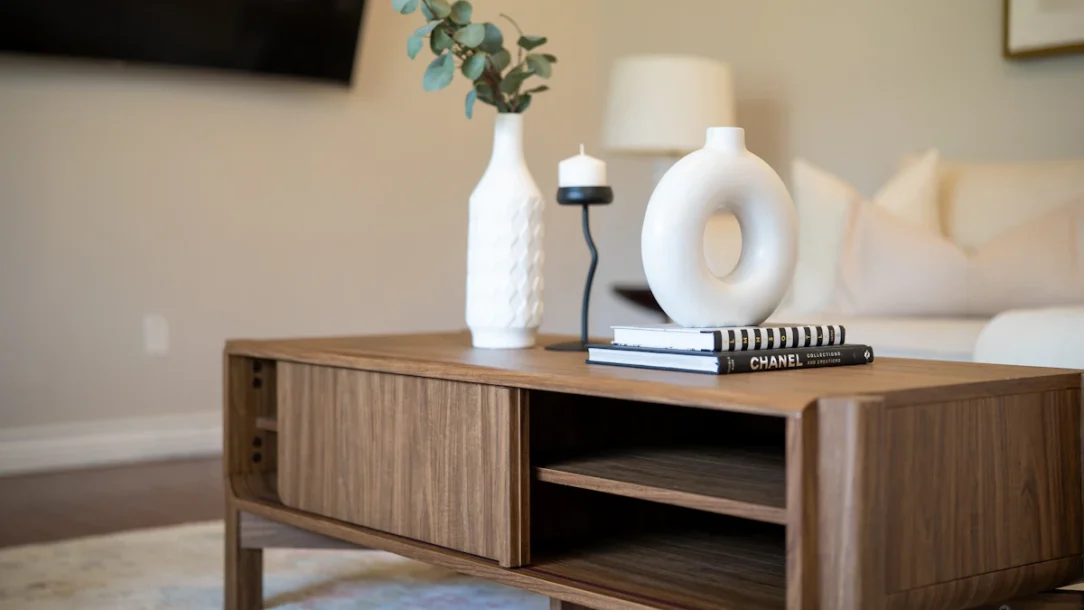
Coffee table decor works best when the table still behaves like a table. It should hold a drink, a remote, a snack plate, a laptop for ten minutes, or a board game without requiring you to dismantle an elaborate styling arrangement every time real life happens.
The goal is not an empty surface, but a controlled one: a few objects with different heights and textures, grouped tightly enough that a generous part of the table stays free. This guide shows how to style books, trays, bowls, flowers, candles, and everyday essentials without turning the center of the living room into a display shelf.
Table of Contents
Start With the Space You Need to Keep Clear
Before placing a book or vase, decide what the table needs to do on a normal evening. If you regularly set down two drinks, a snack bowl, the remote, and a phone, preserve enough clear surface for those items first. Styling should fit into the space that remains.
A useful starting point is to keep roughly one-third to one-half of the tabletop visually open, especially in a small living room. The exact percentage is less important than the test: can someone sit down and use the table without moving decor first? Architectural Digest recently highlighted the same principle in a broader clutter guide: intentionally open tabletops give the eye somewhere to rest and help a room feel calmer. See the visual-clutter guidance.
If the entire seating arrangement still feels cramped, solve the furniture layout before the styling. These apartment living room ideas can help you protect circulation before adding smaller decorative layers.
Build One Styling Zone Instead of Decorating the Whole Table
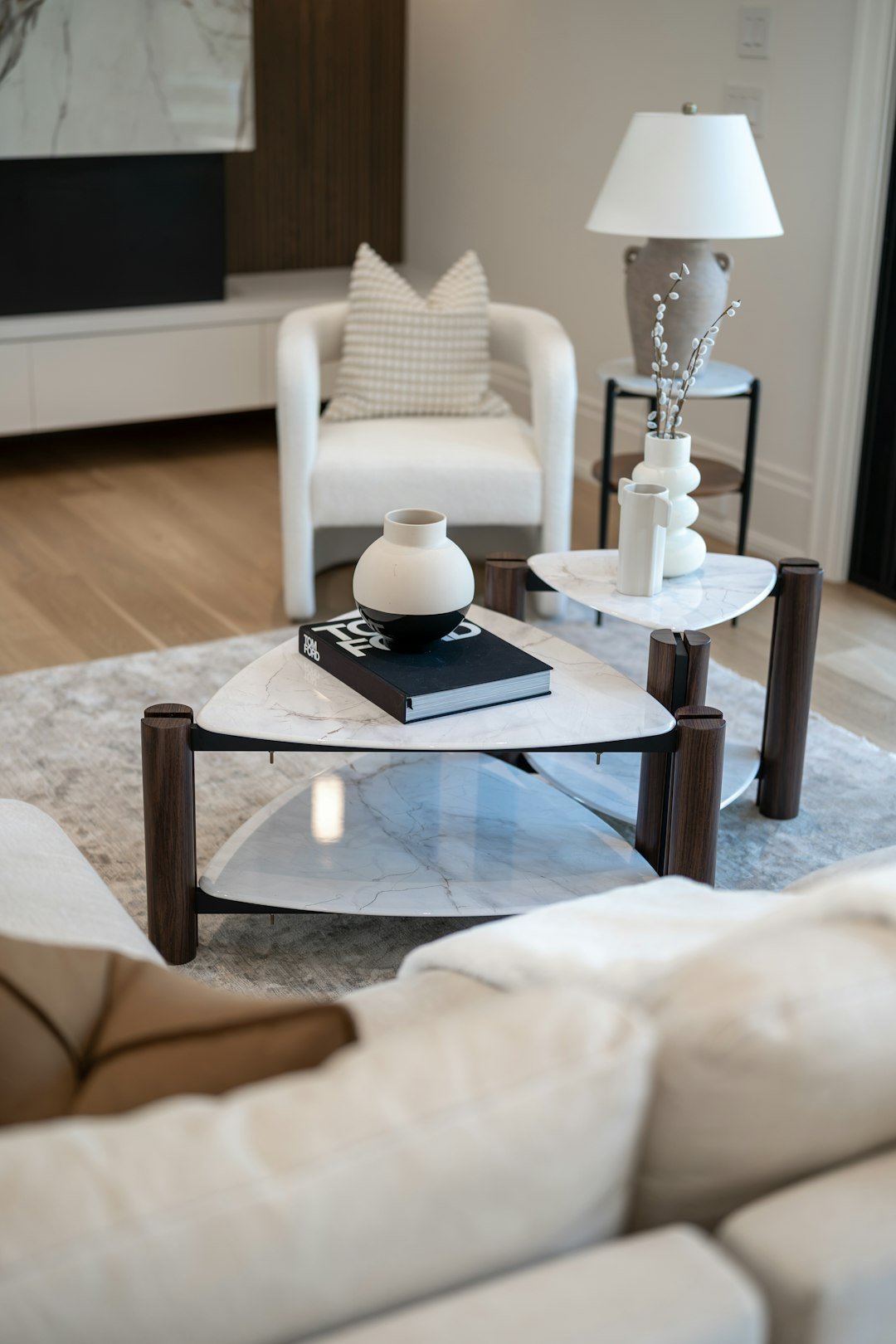
The easiest way to keep a coffee table usable is to treat the decor as one compact composition. On a rectangular table, style one end or the center third. On a round table, keep the group slightly off-center so the arrangement feels relaxed rather than perfectly staged.
One zone also makes cleaning easier. You can lift one tray or move one small cluster instead of relocating six unrelated objects spread across the surface.
Use a Tray When the Table Collects Everyday Items
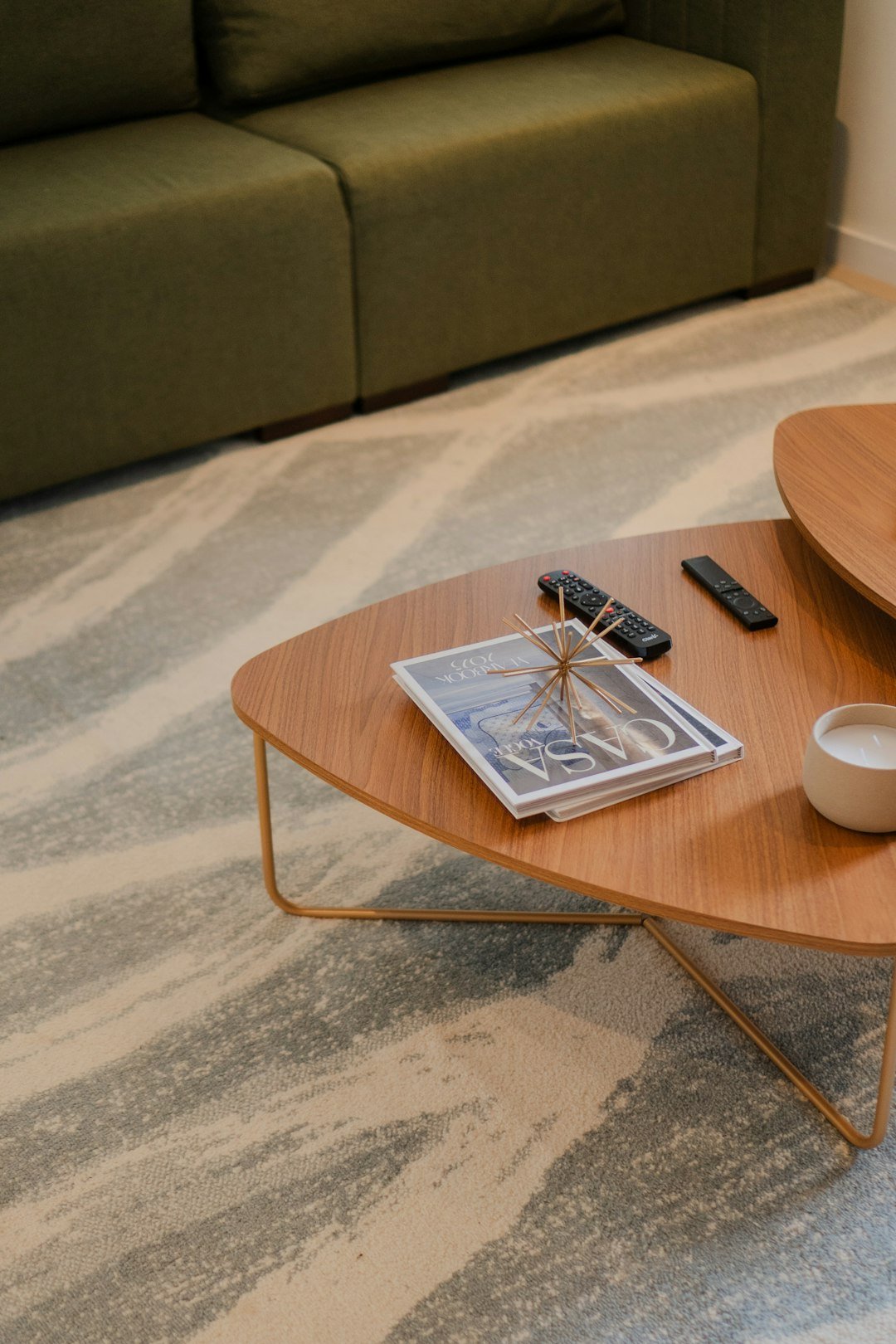
A tray is useful when the table naturally collects small things: remotes, coasters, a candle lighter, reading glasses, or a small bowl. It turns several practical objects into one visual unit and makes the entire group easy to move when you need more room.
Choose a tray that occupies only part of the table, not most of it. A low rectangular tray suits a long table, while a round tray can soften a square surface. Avoid adding a tray and then filling every inch inside it; leave a little breathing room there too.
Style Books as a Base, Not a Library
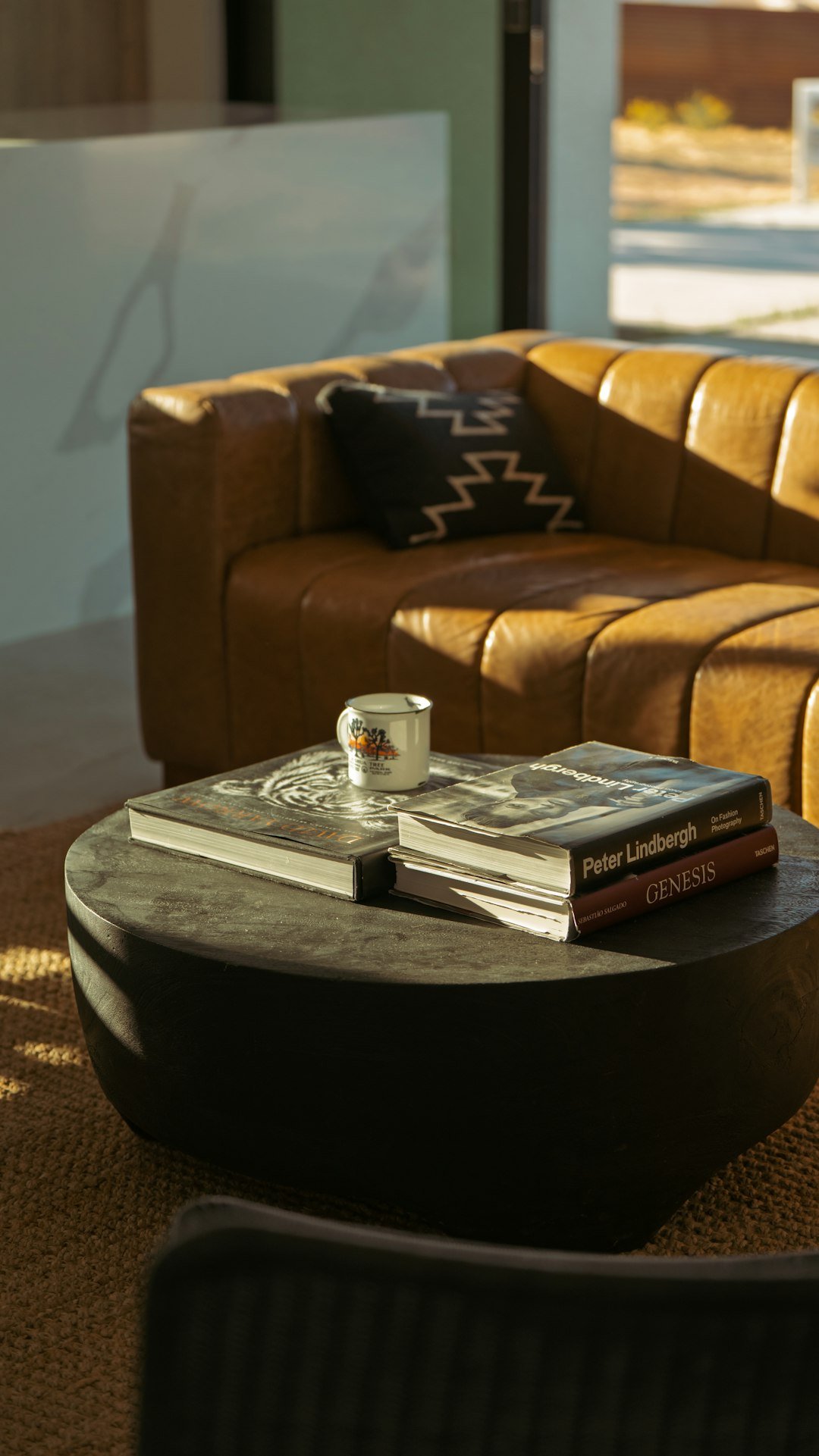
Two or three coffee-table books create height and give a small object somewhere to sit. They also make the decor feel personal when the subjects reflect real interests such as architecture, travel, photography, gardening, or fashion.
Keep the stack low enough that it does not dominate the room. A pile of eight oversized books may look impressive in a photo but becomes inconvenient if the table is also where people set drinks or play games. If you have more books than the surface can handle, move them to a nearby shelf or side table.
Add One Tall Element for Height
A small vase, branch arrangement, or compact plant gives the styling vertical movement. The key is keeping it narrow enough that it does not block conversation or the television sight line.
Fresh flowers do not need a huge bouquet. Five stems in a simple vessel can be enough. If the room already has strong wall decor, built-ins, or a dramatic fireplace, keep the tabletop greenery even quieter so the living room does not develop too many competing focal points. The scale principles in this wall decor guide can help balance the vertical surfaces with the tabletop.
Choose One Low Object for Contrast
Once you have a low book stack and one taller element, add one low sculptural piece if the table still needs something. A shallow bowl, small ceramic object, decorative box, or candle gives contrast without consuming much visual height.
This is where editing matters. If the arrangement already feels complete, stop. A styled table does not need to include every category of decorative object.
Make Remotes, Coasters and Matches Part of the Plan
Daily objects look messy mainly when they have no assigned place. Give the remote one tray, drawer, or decorative box. Keep a small stack of coasters where people actually reach for them. If you burn candles regularly, store the matches or lighter with the candle instead of carrying them back and forth.
For living rooms that accumulate blankets, chargers, games, and magazines, consider furniture with hidden storage or a nearby basket rather than forcing the coffee table to hold everything. The same space-saving logic appears in these multifunctional furniture ideas.
Style Rectangular, Round and Square Coffee Tables Differently
Rectangular table: divide the top mentally into thirds. Style one third or the middle third and leave the rest open. A long tray can work, but it should not run nearly the full length of the table.
Round table: use a compact triangular composition with three different heights—a book stack, a vase, and a low bowl, for example. Keep the group slightly off-center so there is still an obvious place to set a drink.
Square table: either style one corner or place one centered tray with a few objects. Avoid filling all four corners; that can make the surface feel like a grid of displays.
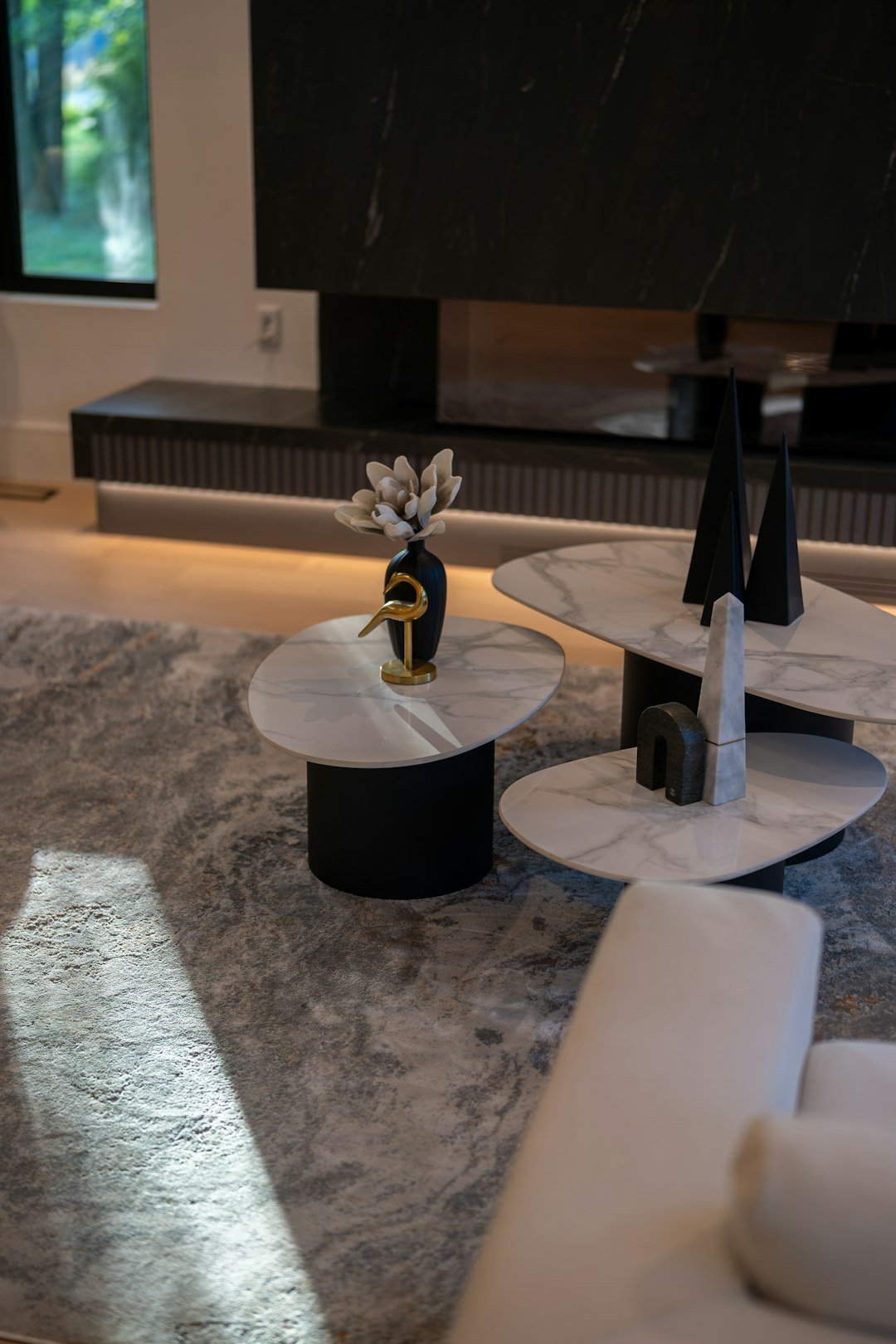
Nesting or tiered tables: decorate only one level heavily. Let the second table remain mostly open so it can slide out when guests need another surface.
Keep Decor Lower When the TV or Conversation Is the Focus
A coffee table sits in the middle of the seating zone, so tall decor can interrupt more than the view of the table. If the room is used for conversation, movies, or a fireplace, keep most objects below the natural eye line between seats.
Use narrow stems instead of dense floral arrangements, and move taller seasonal branches to a console or corner table. If the TV and fireplace already compete for attention, solve their layout first with these fireplace and TV layout ideas.
Use an Ottoman Tray Instead of Styling the Whole Ottoman
An upholstered ottoman needs a firm surface for drinks and decor. Use one sturdy tray and treat everything inside it as the styling zone. Keep the rest of the ottoman open for feet, a blanket, or extra seating.
Choose a tray with enough edge height to keep small items contained but not so tall that it becomes awkward to reach over. If the ottoman moves often, keep the tray light enough to lift safely with both hands.
Adjust Coffee Table Decor for Kids and Pets
In an active household, the best coffee table styling may be lower, softer, and less fragile. Skip unstable glass vessels, heavy objects near the edge, open flames, and delicate ceramics where they can be knocked over.
Use a wood bowl, closed box, soft-cover books, or sturdy plant pot instead. A room can still look finished with only two or three durable objects. Practical editing matters more than recreating a styled photo exactly.
Use Negative Space to Make the Styling Look More Expensive
Empty space is part of the composition. When objects have room around them, their shapes, finishes, and materials are easier to notice. When every inch is occupied, even expensive decor can read as clutter.
Architectural Digest’s coffee-table styling coverage also recommends leaving extra empty room when the living room serves multiple purposes. See its coffee-table decor examples. The principle is especially useful in small homes because the same surface may need to switch between decorative and practical use several times a day.
Create a Five-Minute Coffee Table Reset
A coffee table stays styled when resetting it is easy. At the end of the day, return the remote to its box or tray, carry dishes to the kitchen, stack the books, and clear anything that migrated there from another room.
If the reset regularly takes longer than five minutes, the table probably has too many categories living on it. Move magazines to a rack, chargers to a drawer, toys to a basket, and paperwork to the place where it is actually processed.
For a broader living-room reset, use the sequence in How to Decorate a Living Room from Start to Finish so the table styling supports the whole room rather than becoming an isolated vignette.
Common Coffee Table Decor Mistakes
Decorating edge to edge. If no one can set down a glass without moving something, the styling is too dense.
Using too many tiny objects. A few medium-scale pieces usually look calmer than a collection of small trinkets.
Making every object the same height. Vary the profile with one low stack, one taller element, and one low sculptural piece.
Ignoring daily-use items. Remotes and coasters will still appear, so give them a designated place instead of pretending the table is purely decorative.
Using a tall centerpiece in a conversation zone. Keep sight lines open across the table.
Copying a showroom setup exactly. Your table should support the way your household actually lives.
Frequently Asked Questions
How much of a coffee table should be left empty?
There is no fixed rule, but leaving roughly one-third to one-half of the surface open works well for many living rooms. The better test is whether you can set down drinks, a snack, or a laptop without moving the decor first.
What should I put on a coffee table?
A simple combination is a small book stack, one taller element such as a vase or plant, and one low object such as a bowl, candle, or decorative box. Add a tray if you need to organize remotes and coasters.
How do I decorate a coffee table without making it cluttered?
Group the decor into one compact zone, use fewer medium-scale objects instead of many small ones, and leave visible negative space around the arrangement.
Do I need a tray on my coffee table?
No. A tray is most useful when the table collects small everyday items or when you want the entire arrangement to move easily. A very small table may look better without one.
How do I style a round coffee table?
Use a compact three-part arrangement with different heights, such as books, a vase, and a low bowl. Keep the group slightly off-center so there is still an obvious open place for a drink.
How can I keep a coffee table styled with kids or pets?
Choose sturdy, low, non-breakable objects and avoid open flames or heavy decor near the edge. Closed boxes, wood bowls, soft-cover books, and stable planters are easier to live with.
A Styled Coffee Table Should Still Be Easy to Use
The best coffee table decor does not make daily life work around it. It gives the room a focal layer while preserving a real surface for drinks, remotes, snacks, games, and everything else that happens in a living room.
Keep the styling compact, vary the heights, give everyday items a home, and treat negative space as part of the design. If the table can look good in thirty seconds after a quick reset—and still be useful five minutes later—you have the balance right.

Share Your Thoughts