
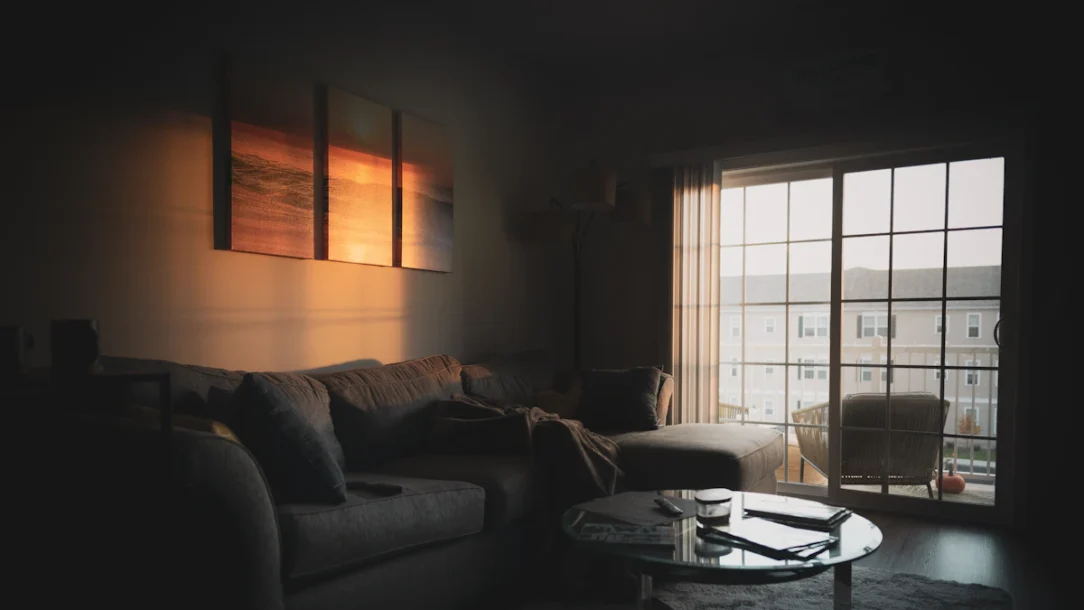
Bad apartment lighting can make even a beautifully decorated room feel flat, dim, or temporary. The good news is that you do not need an electrician—or permission to open the walls—to fix most of it. The best renter friendly lighting ideas for apartments add light in layers using plug-in, rechargeable, and bulb-level upgrades that can move with you.
Instead of trying to replace every ceiling fixture, think about where the apartment actually feels dark: beside the sofa, over a desk, near the bed, under kitchen cabinets, in an entry, or along a blank wall. A few well-placed lights at different heights can make the whole space feel warmer and more finished than one bright overhead bulb.
Table of Contents
Build a Lighting Plan Before Buying More Lamps
Most apartments need three kinds of light. Ambient light gives the room general brightness. Task light helps you read, cook, work, or get ready. Accent light adds depth by highlighting a wall, plant, artwork, or architectural detail.
Walk through the apartment after sunset and identify which layer is missing in each zone. Your apartment living room, for example, may already have enough ambient light but still feel uncomfortable because there is no reading light beside the sofa or warm accent light in the corners.
1. Use a Floor Lamp to Replace Missing Overhead Light
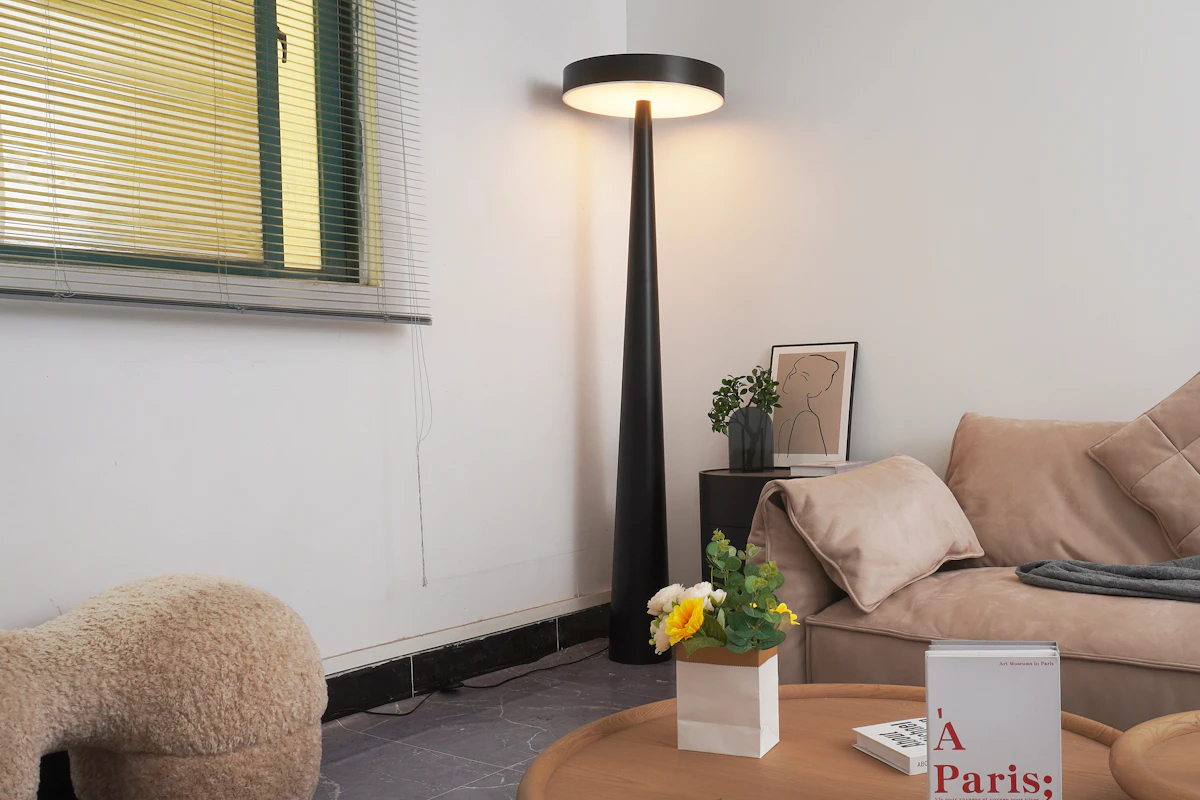
A floor lamp is the fastest way to brighten a rental living room with weak or nonexistent overhead lighting. Place it beside the sofa, behind an accent chair, or in a dark corner where it can throw light upward and outward instead of creating one harsh pool on the floor.
For a room that needs broad ambient light, look for a torchiere or shaded lamp that directs some light toward the ceiling. For reading, choose an adjustable arm or pharmacy-style lamp that can aim light toward the page. A slim base is especially useful in a small apartment because it adds height without occupying much floor space.
This is one of the easiest ways to fix the empty, dim zones discussed in these awkward corner living room ideas. Keep the cord close to the wall or furniture rather than stretching it across a walkway.
2. Layer Table Lamps at Different Heights
Table lamps add warmth that ceiling lights rarely provide. Use one on a side table beside the sofa, another on a console, and a smaller lamp on a desk or dresser. Because the light sources sit below eye level, they create a softer, more residential feel than one bright ceiling fixture.
Do not make every lamp identical. Repeating the same bulb color and one shared material—such as brass, black metal, ceramic, or natural wood—is enough to connect different lamp shapes. In an open-plan rental, this layered approach also helps visually separate the living, dining, and work zones.
3. Install Plug-In Wall Sconces Instead of Hardwired Ones
Plug-in sconces deliver the built-in look of wall lighting without touching the electrical box. They work well beside a bed, above a reading chair, on either side of a sofa, or over a compact desk. The visible cord can become part of the design if it drops cleanly in a straight line to the outlet.
Choose sconces with an in-line switch or easy-to-reach control. If the fixture requires screws or anchors, check the lease before drilling. If you want a no-drill wall treatment around the light, use the same surface-conscious approach described in these renter-friendly wall decor ideas.
Do not staple or nail a lamp cord to the wall. Use a removable cord channel or clips specifically designed for the cord and surface, and follow the product instructions.
4. Use Rechargeable Sconces Where Outlets Are Awkward
Rechargeable sconces are especially useful on walls with no nearby outlet. They can provide bedside reading light, illuminate a dining nook, or add symmetry around artwork without a visible cord. Magnetic designs make charging easier because the light head can detach from the mount.
The biggest limitation is brightness and runtime. Many rechargeable fixtures are better as accent or task lights than as the main source for an entire room. Check lumen output, battery runtime, charging method, and whether the mounting system is approved for the fixture’s weight before using adhesive-only installation.
5. Upgrade Existing Fixtures With Smart LED Bulbs
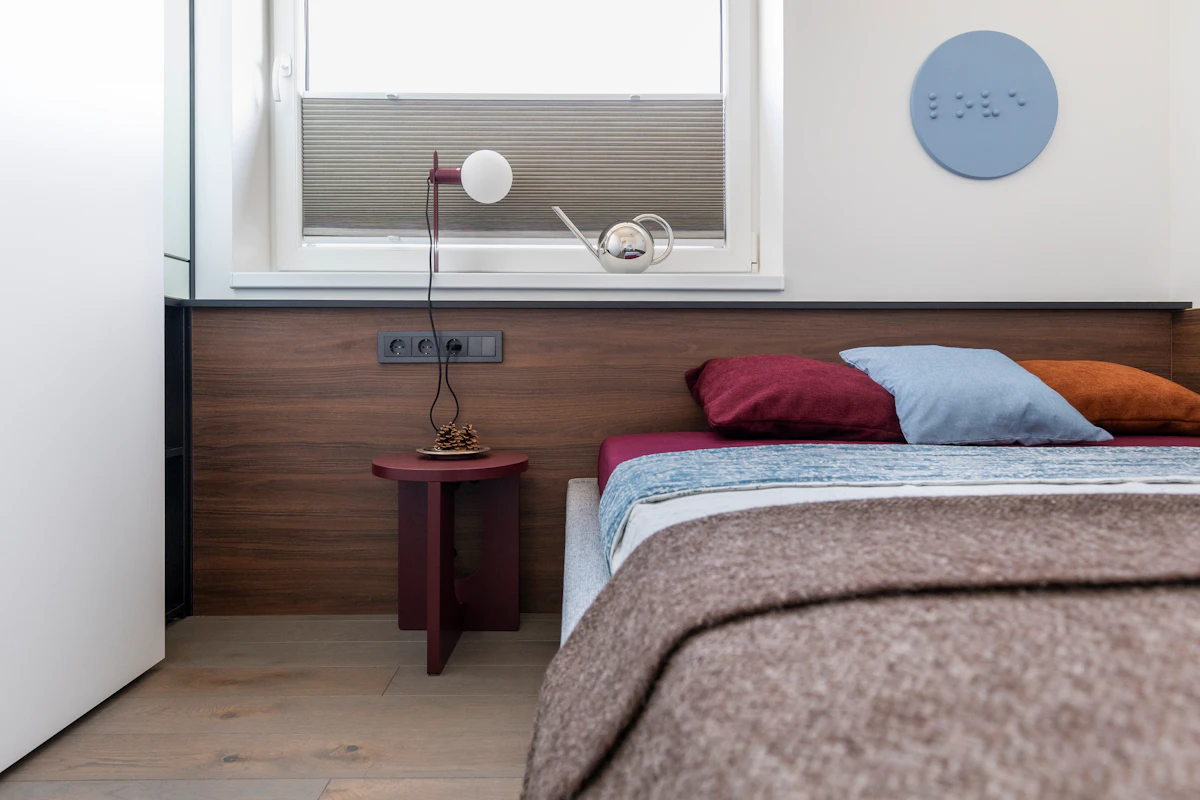
If the apartment’s fixtures are acceptable but the light is too cold, too bright, or impossible to control conveniently, the bulb may be the easiest upgrade. A compatible smart LED bulb can add dimming, schedules, color-temperature control, and voice or app control without changing the fixture.
Always stay within the fixture’s permitted bulb type and wattage-equivalent guidance, and make sure enclosed fixtures are compatible with the bulb you choose. ENERGY STAR notes that LED lighting can produce light up to 90% more efficiently than incandescent lighting, which also means less wasted energy as heat. Read ENERGY STAR’s LED lighting overview.
6. Add Rechargeable Under-Cabinet Lights in the Kitchen
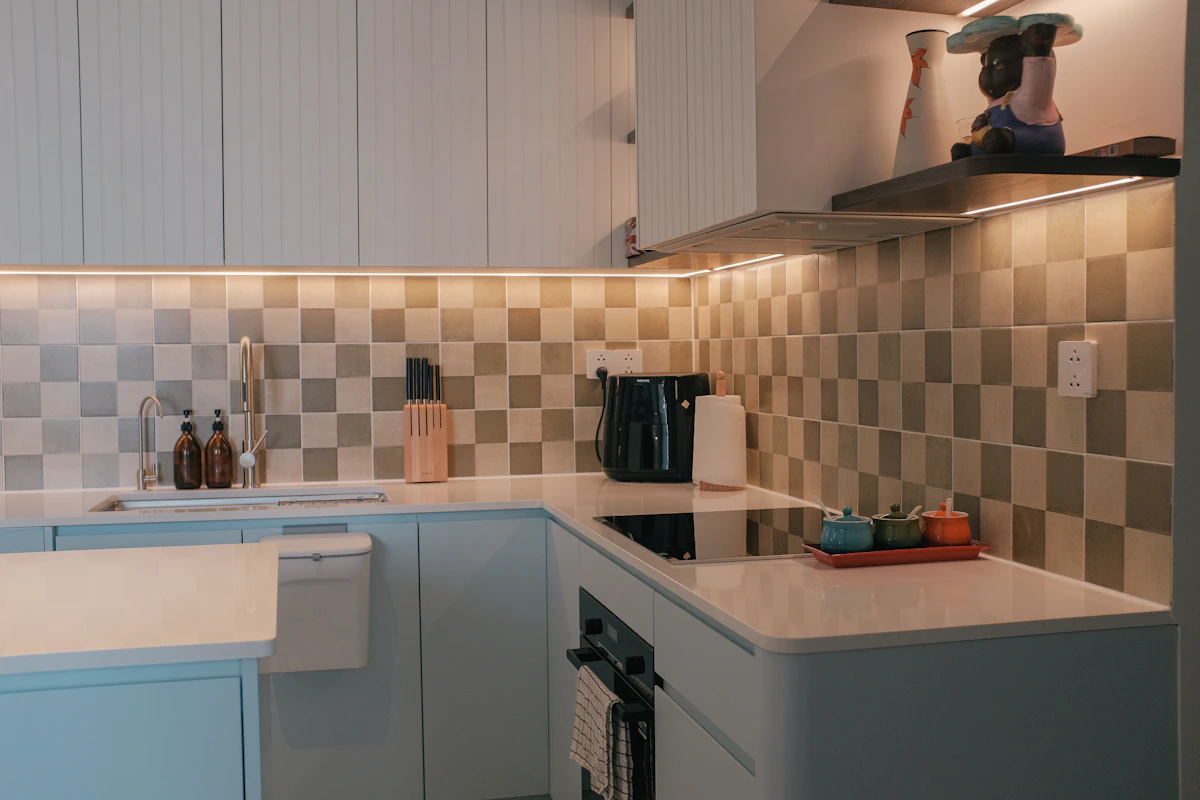
Dark kitchen counters are a common rental problem because one ceiling light puts your body between the fixture and the work surface. Rechargeable or plug-in under-cabinet LED bars bring light directly to chopping, coffee-making, and cleanup zones.
Place them toward the front edge of the cabinet rather than tight against the backsplash so the light spreads across the counter. Motion-sensor models are convenient, but a manual switch may be better over a work surface where you want the light to stay on continuously.
This kind of targeted lighting can make a compact kitchen feel more usable without adding bulky decor. It also pairs well with the visual-space tricks in your small-kitchen decorating guide.
7. Use LED Strip Lights for Indirect Glow
LED strips work best when you hide the individual diodes and let the light bounce off a surface. Place them behind a TV console, under a floating shelf, along the back edge of a desk, or above tall cabinets so the glow reflects onto the wall or ceiling.
For a polished look, avoid running bare strips around the full perimeter of every room. One intentional line of indirect light usually looks more sophisticated than several exposed strips. Use products intended for indoor use, follow their power and cutting instructions, and test removable adhesive on the apartment finish before committing.
8. Hang a Plug-In Pendant or Swag Light
A plug-in pendant can create overhead-style light over a dining table, reading corner, or bedside area without connecting to the apartment’s wiring. The cord plugs into a wall outlet and the fixture is supported by a ceiling or wall hook designed for its weight.
This solution still involves physical mounting, so check the lease and the fixture manufacturer’s instructions. Keep the cord route deliberate and away from doors. In a room with a low ceiling, choose a compact shade and hang it where people will not walk underneath; the visual-height strategies in your low-ceiling living room guide are useful here too.
9. Use Clamp Lamps for Desks, Shelves, and Headboards
Clamp lamps are practical when there is no room for another table. Clip one to a sturdy desk edge, open shelf, or compatible headboard to create focused task light without using floor space. They are useful for homework zones, craft tables, reading, or a temporary home office.
Check that the clamp grips securely without damaging the furniture finish, and do not attach it to a surface thinner or weaker than the lamp manufacturer recommends. Position the shade so the bulb is not directly in your line of sight.
10. Add a Small Uplight Behind Furniture or Plants
A compact floor uplight can transform a dark corner using almost no visual space. Place it behind a tall plant, beside a bookcase, or behind a console and aim it toward the wall. The reflected light creates depth and makes the room feel brighter without adding another visible lamp shade.
This is particularly effective in open-plan apartments because the glow can visually extend a zone beyond the furniture footprint. Choose an LED fixture that stays within the manufacturer’s placement and ventilation guidance, and avoid burying the light under fabric or clutter.
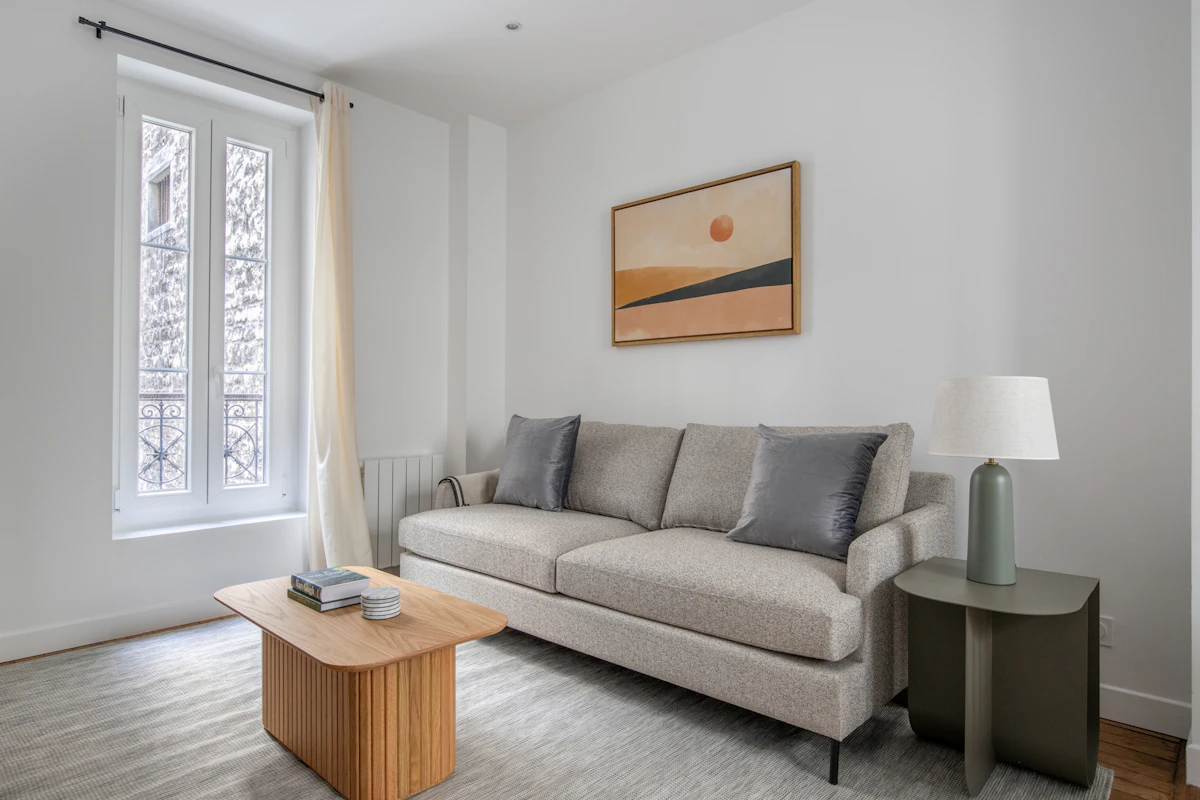
11. Try Rechargeable Picture or Vanity Lights
A rechargeable picture light can highlight art, a gallery wall, or a mirror without a new junction box. Small rechargeable vanity bars can also improve grooming light around a bedroom mirror or other dry-area setup.
Bathrooms need more caution because electricity and moisture are involved. Do not assume a rechargeable or plug-in fixture is suitable near a sink, tub, or shower; use products specifically rated for the location and follow the manufacturer’s instructions. For a dark bathroom, combine safe lighting with the mirror and color strategies in this windowless bathroom guide.
12. Add Motion-Sensor Lights to Entries, Closets, and Hallways
Small battery or rechargeable motion lights are useful where you need brief, automatic illumination rather than all-evening light. Place them inside closets, near an entry console, under a bed edge, or along a dark hallway where the main switch is inconvenient.
Choose a light with an adjustable sensor range if possible so it does not turn on every time someone moves in the next room. Avoid installing bright lights at eye level in a narrow hallway; a lower, softer source usually works better for nighttime navigation.
Choose Bulb Color Temperature by Zone
Color temperature changes how an apartment feels almost as much as fixture style. Warm white light around 2700K to 3000K generally feels comfortable in living rooms and bedrooms. Kitchens, desks, and grooming areas often benefit from a more neutral 3000K to 4000K range because it makes tasks easier to see.
You do not need every bulb to match exactly, but avoid mixing very warm amber light with icy blue-white light in the same sight line. If you use smart bulbs, save a few scenes—bright task light for work, softer warm light for evenings—rather than changing colors randomly throughout the apartment.
Keep Cords and Temporary Power Safe
No-rewiring lighting often means more cords, so cord planning is part of the design. The Electrical Safety Foundation International says extension cords are intended for temporary use and should not substitute for permanent wiring. ESFI also advises keeping cords out of doorways and walkways, not running them under rugs or through walls, and using products properly rated for the load. Review ESFI’s extension-cord safety guidance.
Plug lamps directly into permanent outlets whenever practical. Do not daisy-chain power strips or extension cords. Replace damaged cords rather than hiding them with a cord cover, and never cut off a grounding pin to force a plug into an older outlet.
Common Renter Lighting Mistakes to Avoid
Buying only one brighter lamp. A single strong light can make the room feel flatter. Several lower-output lights at different heights usually create a more comfortable result.
Putting every lamp on the room perimeter. Bring some light closer to the activity: beside the sofa, over the desk, or under the cabinets.
Using adhesive as a universal mounting solution. Wall paint, texture, humidity, and fixture weight all affect whether an adhesive mount will hold or remove cleanly.
Ignoring cord routes. A beautiful lamp is not a good solution if its cord creates a trip hazard across the room.
Choosing color-changing light instead of useful light. Smart RGB features can be fun, but brightness, beam direction, dimming, and color temperature matter more for everyday comfort.
Frequently Asked Questions
What is the best renter-friendly way to add lighting to an apartment?
Start with portable floor and table lamps, then add plug-in or rechargeable task lights where needed. These options improve ambient and task lighting without altering the apartment’s electrical wiring.
Can renters install wall sconces without rewiring?
Yes. Plug-in sconces use a standard outlet, while rechargeable sconces do not need a cord at all. Follow the fixture’s mounting instructions and your lease rules, especially if screws or wall anchors are required.
Are adhesive lights safe for apartment walls?
They can be, but the adhesive and wall finish matter. Test removable adhesive in an inconspicuous spot, clean the surface as directed, and avoid mounting a heavy fixture with adhesive unless the manufacturer specifically approves that method.
What light bulb color is best for an apartment living room?
Warm white light around 2700K to 3000K usually feels comfortable in living rooms and bedrooms. Neutral light around 3000K to 4000K can work well for kitchens, desks, and task areas. Personal preference and wall colors also affect how the light feels.
Can I use extension cords to place lamps anywhere I want?
Extension cords should be treated as temporary power, not permanent wiring. Use a properly rated cord only when necessary, keep it out of walkways, never hide it under rugs, and do not daisy-chain cords or power strips.
How do I make a dark apartment feel brighter without changing fixtures?
Add light at multiple heights, use brighter LED bulbs within each fixture’s rating, place lamps near reflective surfaces, illuminate dark corners, and add focused task light in kitchens and work areas instead of relying on one ceiling fixture.
Good Apartment Lighting Does Not Require Rewiring
The best renter friendly lighting ideas for apartments solve dark spots one zone at a time. A floor lamp can provide ambient light, a plug-in sconce can free a bedside table, an under-cabinet bar can improve kitchen tasks, and rechargeable or motion lights can reach places with no convenient outlet.
Start with the room’s actual lighting problem, then choose the least permanent solution that fixes it safely. When you combine ambient, task, and accent light at different heights—and keep the cords controlled—an apartment can feel custom and comfortable without changing a single wire.


Share Your Thoughts