
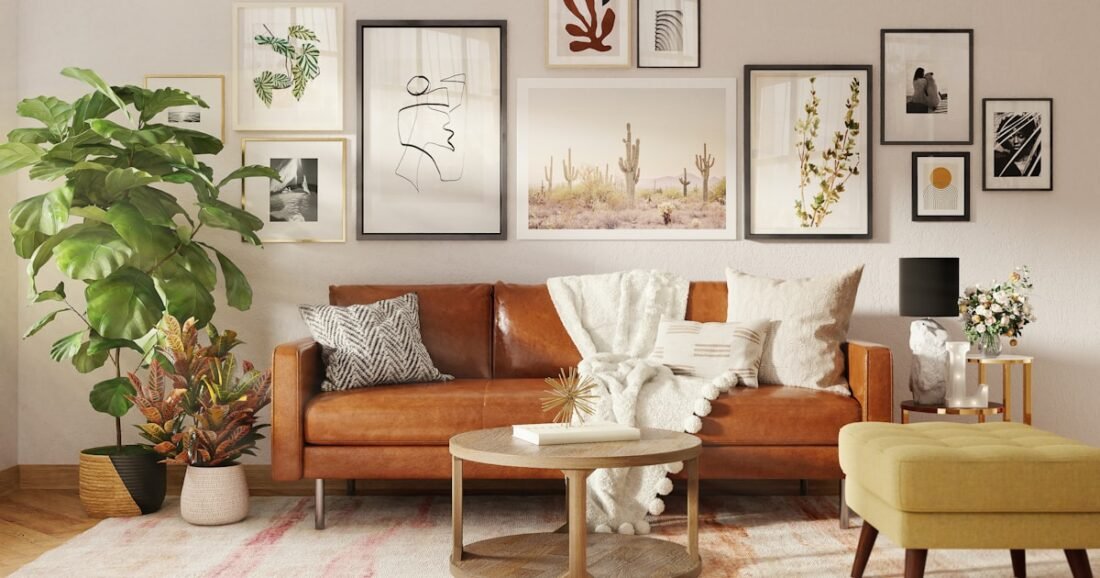
Rental walls are often the largest blank surfaces in an apartment, but decorating them can feel risky when the lease limits drilling, anchors, paint, or permanent changes. The good news is that renter-friendly wall decor can look intentional without covering every wall in adhesive hooks or settling for tiny lightweight prints.
The best approach is to match the display method to the actual wall surface, the weight of the item, and how much visual impact you want. Some pieces can be hung with removable products, others are safer leaning on furniture, and some walls look better when you use one large composition instead of many small objects.
Table of Contents
Check the Lease and Wall Surface First
“Removable” does not mean safe on every wall. Fresh paint, old paint, flat paint, poorly bonded paint, wallpaper, textured surfaces, plaster, tile, and masonry can all respond differently to adhesive products. Before choosing a hanging method, identify the wall finish and read the lease or building rules.
- Check whether small nail holes are actually prohibited; some leases allow them even when tenants assume they do not.
- Look for peeling, chalky, cracked, or recently painted areas before using adhesive products.
- Confirm the weight of framed art, mirrors, or shelves rather than estimating by size.
- Keep heavy objects away from beds, cribs, and high-traffic paths unless they are properly secured.
- Photograph the wall before installation so you have a record of its original condition.
For adhesive hanging systems, follow the instructions for the exact product. Command’s official picture-hanging guidance covers surface preparation, curing time, weight limits, and the correct removal direction. Those details matter more than the general promise that a product is removable.
1. Use Removable Picture-Hanging Products Carefully
Removable picture strips and hooks are useful for lightweight framed prints, small canvases, unframed art panels, and simple arrangements. They work best when the wall is smooth, clean, fully cured, and included in the product’s approved surface list.
Plan the position before sticking anything to the wall. Use painter’s tape to mark the top edge and center of the frame, then stand across the room and check the scale. Repeatedly removing and repositioning adhesive hardware can reduce its reliability and increase the chance of paint damage.
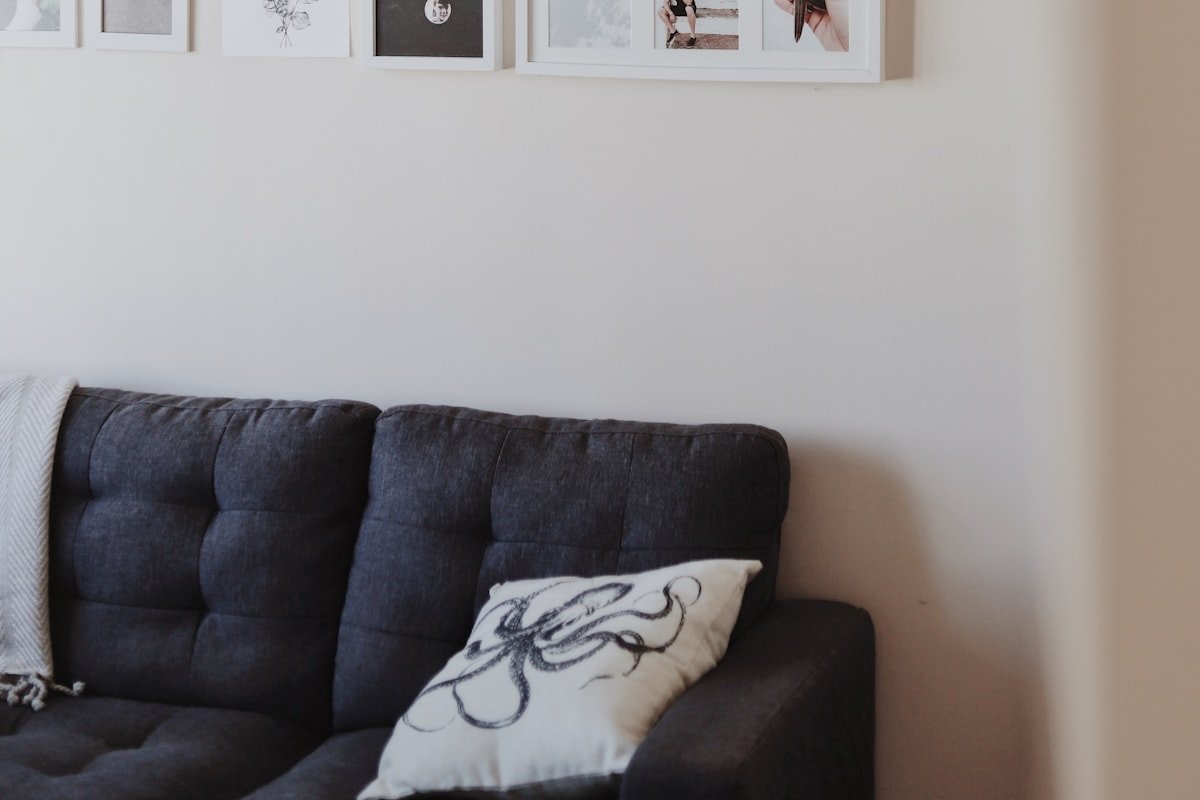
For a large wall, two or three medium lightweight pieces usually look more confident than a scattered collection of tiny frames. If you do want a gallery wall, make the whole grouping read as one composition rather than treating every frame as a separate decision.
2. Lean Large Art Instead of Hanging It
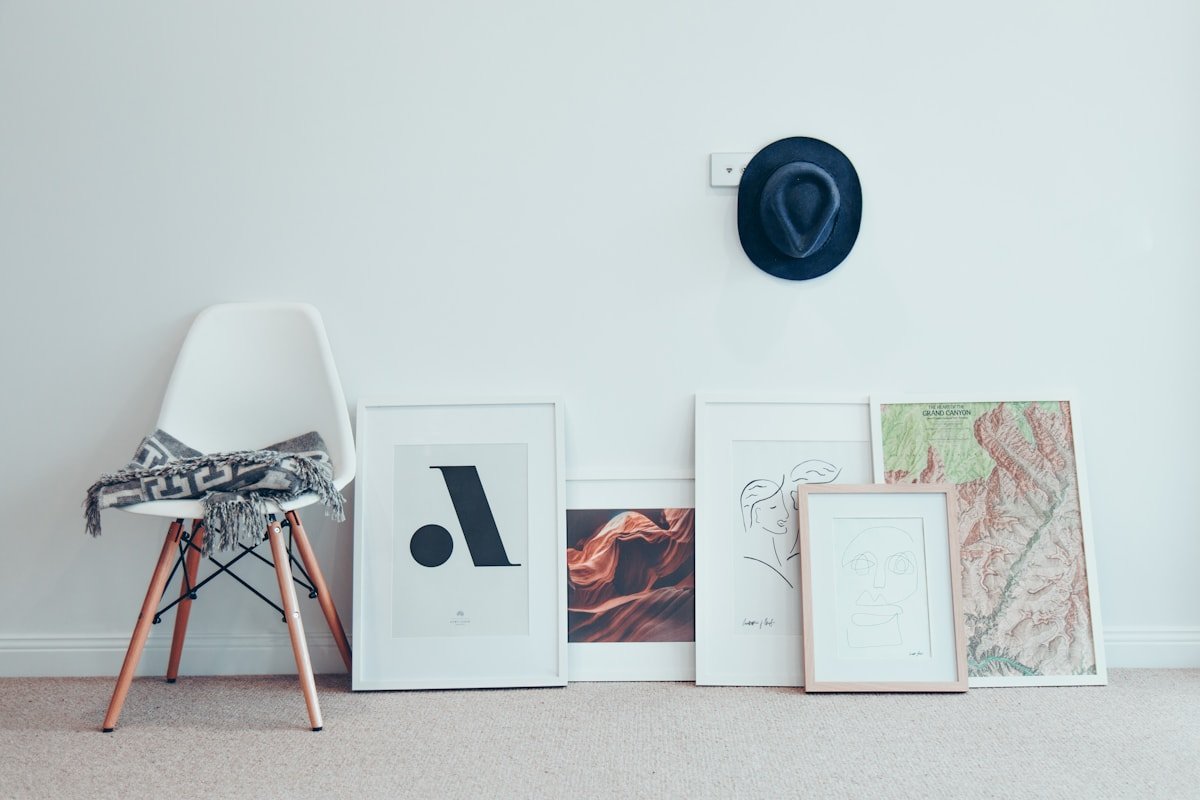
Leaning art on a console, dresser, mantel, or deep shelf is one of the easiest ways to create a substantial focal point without attaching the frame to the wall. A single large piece can give the room more visual structure than a dozen small accessories.
Layering can work too: place one larger frame at the back and overlap it slightly with a smaller print, ceramic object, or lamp. Keep the arrangement shallow enough that the furniture remains useful. A console should still have room for keys or a lamp; a dresser should not become an art-storage rack.
Heavy mirrors and large glass-fronted frames need extra care. A floor-leaning mirror that can tip should be secured according to the manufacturer’s instructions. The U.S. Consumer Product Safety Commission’s Anchor It! guidance explains why top-heavy furniture and large items can create serious tip-over hazards. In some cases, one properly approved anchor is safer than insisting on a completely no-hole setup.
3. Build a Lightweight Gallery Wall
A gallery wall can be renter-friendly when the pieces are relatively light and the layout is planned before anything reaches the wall. Start on the floor. Arrange the frames within a rectangle roughly related to the furniture below them, then photograph the layout so you can recreate it vertically.
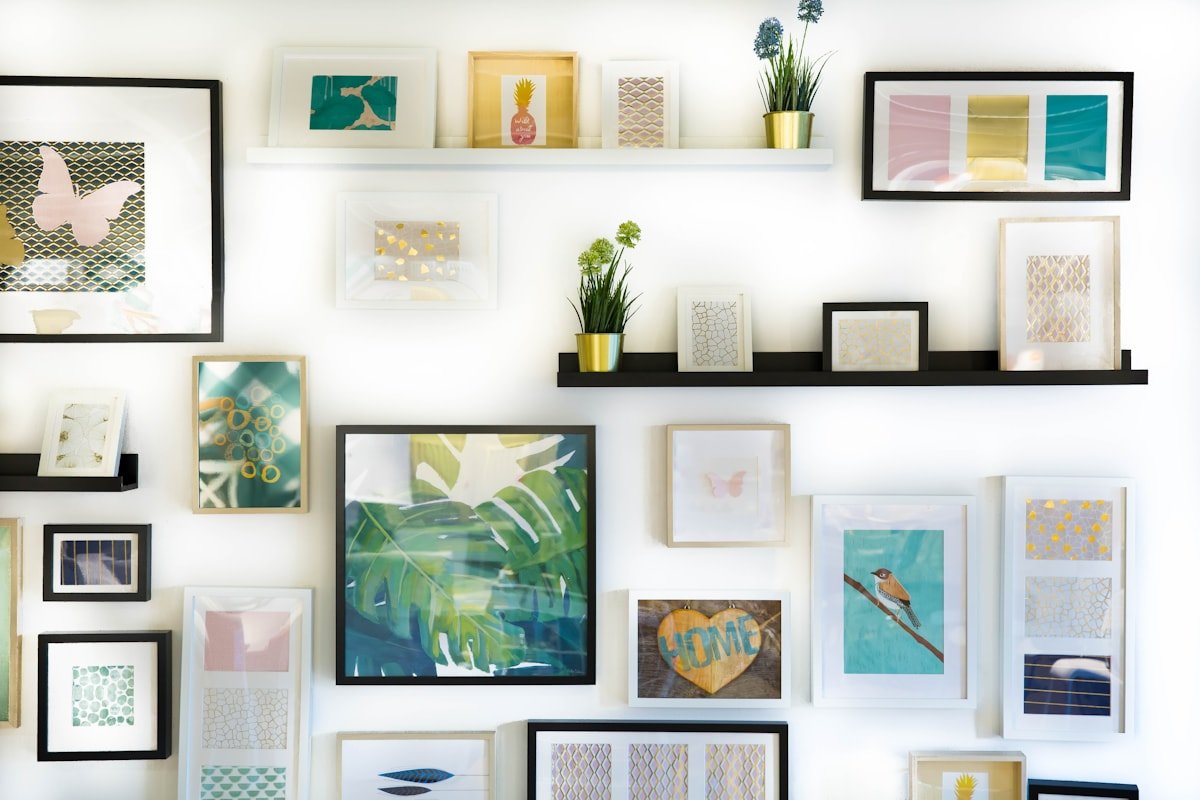
For an orderly grid, keep the gaps consistent. Two to three inches between medium frames is a useful visual starting point, although the exact spacing depends on frame size. For an eclectic grouping, vary frame sizes but repeat something—black frames, warm wood, white mats, or a recurring color in the artwork—so the display still feels connected.
If framed art becomes too heavy, use unframed prints, fabric art, lightweight wood panels, or inexpensive acrylic-front frames instead of glass. That reduces the load without forcing the display to look temporary.
4. Let Furniture Create the Wall Display
You can make a blank wall feel finished without attaching much to it at all. A console, low bookcase, desk, or sideboard creates a horizontal anchor. Once that furniture is in place, a lamp, leaning art, plant, books, and one taller object can fill the wall visually from the floor upward.
This works especially well in small apartments where storage matters. Instead of adding purely decorative wall pieces, use a bookcase or cabinet that solves a practical problem and then style the top. Our apartment living room ideas guide explains how storage and vertical space can work together without making the room feel crowded.
5. Use Freestanding Shelves and Picture Ledges
A tall freestanding bookcase can create the effect of a styled wall while keeping the display completely movable. Use a mix of books, framed art, baskets, and a few decorative objects, leaving some shelf space open so the unit does not become visual clutter.
True wall-mounted picture ledges normally require screws, so they are not automatically renter-friendly. If your lease allows a few small holes, a properly mounted ledge can be easier to repair at move-out than several separate wall anchors. If holes are not allowed, choose a freestanding shelving unit with a similar narrow profile.
For bedrooms, a narrow shelf or small dresser can also replace a complicated wall display. See our small bedroom layout guide for ways to preserve floor space while still adding storage and personality.
6. Add Textiles or Removable Surface Decor Selectively
A lightweight textile can fill a large wall with less weight than framed art. A woven wall hanging, quilt, textile panel, or fabric banner can add color and softness, especially in bedrooms and living rooms. Make sure the hanging method is suitable for the textile and keep fabric away from heat sources and open flames.
Peel-and-stick wallpaper and decals can also create a large visual change, but they are not risk-free. Adhesion and removal depend on paint age, sheen, wall texture, moisture, and the product itself. Test a small hidden area and wait long enough to see how the surface responds before covering a full wall.
In bathrooms or other humid spaces, be even more cautious. The removable wall-decor methods that work in a dry bedroom may not behave the same way beside a shower. For that environment, see our renter-friendly bathroom upgrades.
7. Get the Scale and Spacing Right
The most common wall-decor problem is not the hanging method—it is scale. A tiny frame centered over a 7-foot sofa can make the wall look emptier than it did before. Instead, treat the art and furniture as one composition.
- Above a sofa or console, choose art or a grouping that occupies a meaningful portion of the furniture width rather than floating in the middle.
- Keep the center of a wall display near comfortable eye level, then adjust for the furniture below it.
- Group small pieces tightly enough that they read as one unit.
- Leave more open wall around one large piece than around a gallery wall.
- Repeat frame color, mat style, or artwork palette if the display contains many pieces.
If you are styling a compact living room, fewer larger visual decisions usually work better than many small ones. Our guide to decorating a small living room uses the same principle with furniture, rugs, storage, and lighting.
Common Renter Wall-Decor Mistakes
| Mistake | Better approach |
|---|---|
| Assuming all removable strips are safe on all paint | Check surface compatibility and removal instructions first. |
| Using lightweight adhesive for a heavy mirror | Use a properly rated secure method or choose a safer alternative. |
| Hanging lots of tiny art on a large wall | Create one larger grouping or use a substantial focal piece. |
| Ignoring the furniture below the art | Scale the wall display to the sofa, bed, dresser, or console. |
| Using every wall as a display wall | Let some surfaces stay quiet so the decorated walls have more impact. |
| Waiting until move-out to test removal | Keep product instructions and remove items slowly as directed. |
If you also need renter-friendly window treatments, see our guide to hanging curtains without drilling. The same rule applies: the safest solution is the one matched to the real surface, load, and lease—not the one with the boldest “damage-free” claim.
Frequently Asked Questions
What is the safest way to hang art in a rental without drilling?
For lightweight art on an approved smooth surface, use a removable hanging product within its stated weight limit and follow the exact preparation and removal instructions. Heavy items need a more secure method.
Can removable picture strips damage paint?
Yes, especially on weak, fresh, textured, poorly bonded, or incompatible paint. Check the product’s surface requirements and removal method before using it.
How do I decorate a large rental wall without hanging anything?
Use a console, low bookcase, freestanding shelf, leaning art, floor mirror, tall lamp, or plant to create height and visual structure from the floor upward.
Can I create a gallery wall in a rental?
Yes. Use lightweight pieces, plan the layout on the floor first, keep spacing consistent, and choose a hanging method appropriate for the wall and frame weight.
Is peel-and-stick wallpaper always renter-friendly?
No. Paint age, sheen, texture, moisture, and product adhesive all affect removal. Test a hidden area first and follow both the lease and manufacturer instructions.
How can I make wall decor look expensive on a rental budget?
Use fewer, better-scaled pieces, repeat frame finishes or colors, leave negative space, and relate the display to the furniture below it instead of filling every wall.
Make One Wall Feel Finished, Not Overfilled
Renter-friendly wall decor looks best when the limitations are treated as design constraints rather than something to hide. Choose a few walls that deserve attention, use the safest method for each item, and let furniture, scale, spacing, and repetition do more of the visual work.
A large leaning print, a well-planned lightweight gallery wall, or a styled freestanding bookcase can make a rental feel personal without turning move-out into a repair project. Start with the wall you see most often and solve that one well before decorating the rest.

Share Your Thoughts