
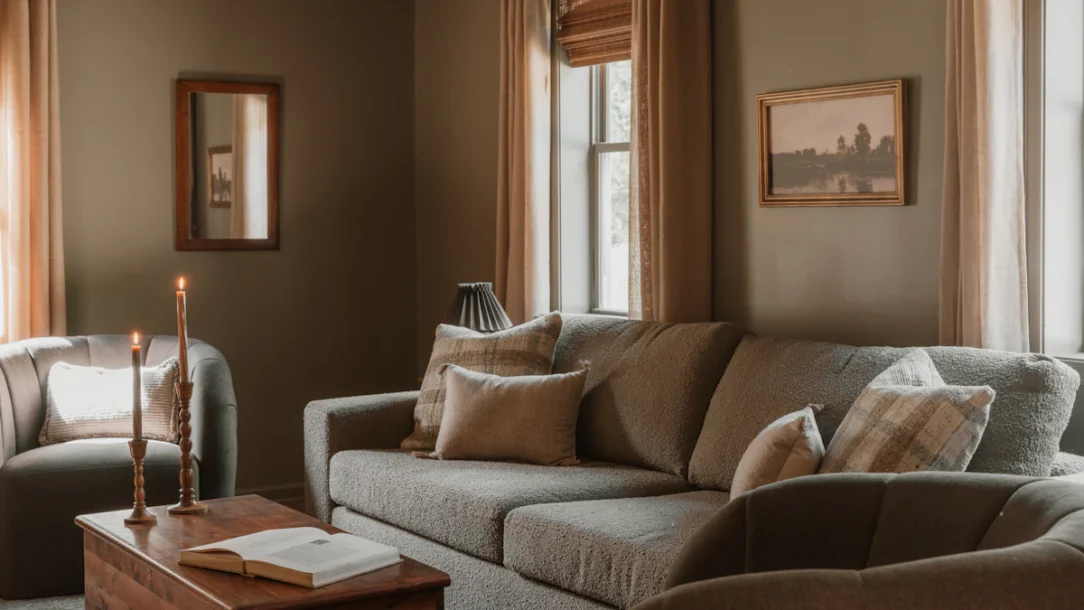
Fall decor does not have to mean orange everywhere, novelty signs, and a pumpkin on every available surface. The most convincing autumn rooms usually feel like the same home you already love—just warmer, more textured, a little moodier, and more connected to the season outside.
A grown-up fall home is built through small shifts: deeper textiles, richer wood tones, branches with movement, heavier ceramics, layered lighting, and a restrained palette that flows from room to room. This guide walks through the house one space at a time, so the season feels intentional rather than themed.
Table of Contents
What Makes Fall Decor Feel Warm, Natural and Grown-Up?
The difference is usually editing. Instead of adding ten seasonal objects, change three things that affect the whole room: color, texture, and light. A brown wool throw, an olive cushion, and a low amber lamp can create more autumn atmosphere than an entire shelf of themed accessories.
That quieter direction also reflects current 2026 decorating coverage. Recent fall features from Martha Stewart emphasize subtle shifts through color, texture, and botanicals, while Better Homes & Gardens highlights layered comfort, natural materials, lamps, vintage character, and sensory warmth rather than perfection.
Use those ideas as a filter, not a shopping list. The goal is a home that feels seasonal because the materials and mood have changed—not because every object announces that it is fall.
Start With a Whole-Home Fall Color Palette
Choose two or three autumn tones that already make sense with your permanent decor. Warm cream can deepen into camel. Beige can pick up tobacco brown. A green room can shift toward olive or moss. Blue-gray can become more autumnal when paired with rust, walnut, and aged brass.
If you are unsure which direction will harmonize with your existing walls and furniture, the principles in this whole-home color palette guide will help keep adjoining rooms connected. For beige, cream, taupe, and greige interiors, the undertone advice in warm neutrals vs. cool neutrals is especially useful.
A sophisticated fall palette does not have to include orange at all. Chocolate brown, oxblood, olive, ochre, mushroom, flax, dark plum, walnut, and cream can feel unmistakably autumnal while remaining livable long after the season ends.
Entryway: Set the Mood With Branches, Wood and One Seasonal Accent
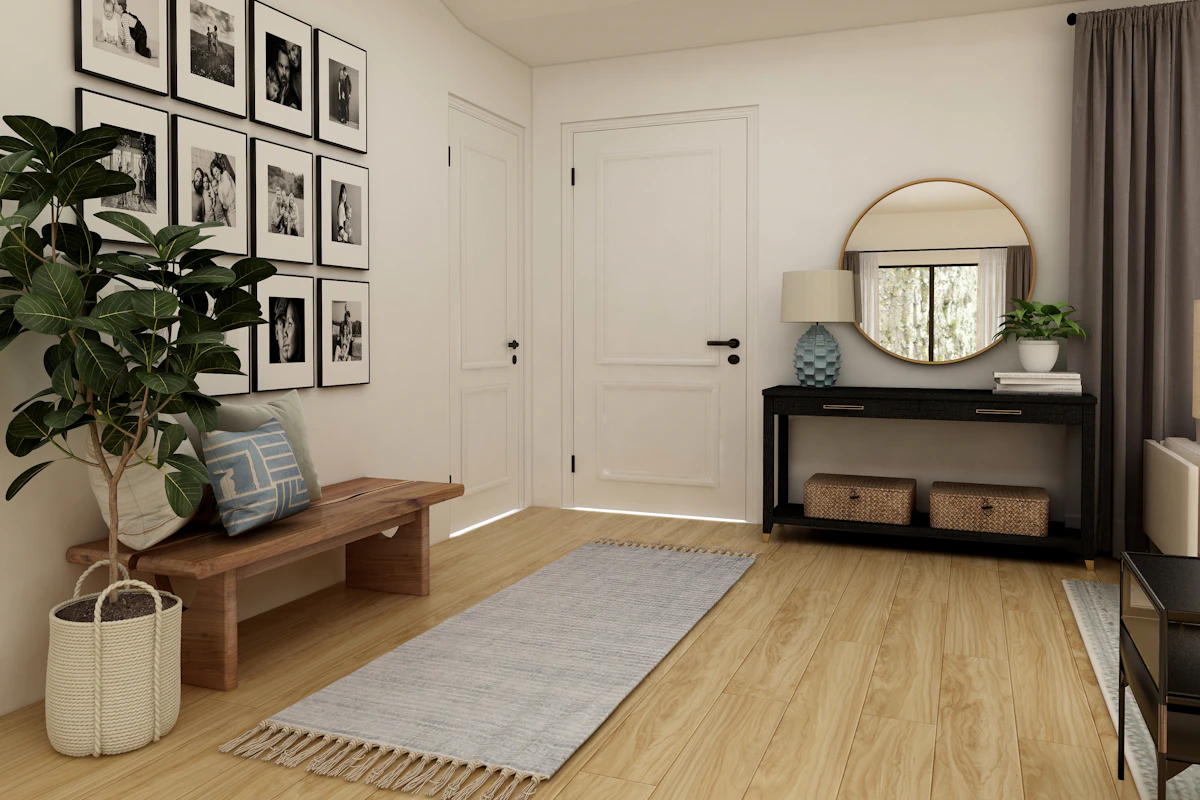
The entryway is the best place to signal the season because it creates the first impression without requiring a full-room makeover. Start with one tall vessel of branches, seeded eucalyptus, dried grasses, or changing leaves. Let the shape be loose rather than perfectly symmetrical.
Then add one grounded material: a wooden bowl, stone tray, woven basket, dark ceramic lamp, or aged metal object. If you want a pumpkin, use one or two in a muted natural tone rather than a cluster in several colors.
Keep the landing surface functional. Keys, mail, bags, and shoes still need somewhere to go. If the entrance is tiny, the storage and circulation ideas in these very small entryway ideas will help you add seasonal character without losing everyday usefulness.
Living Room: Layer Texture Before Adding Seasonal Objects
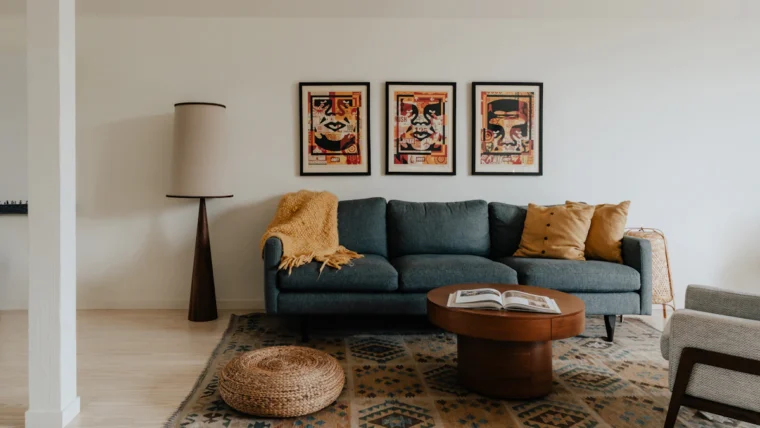
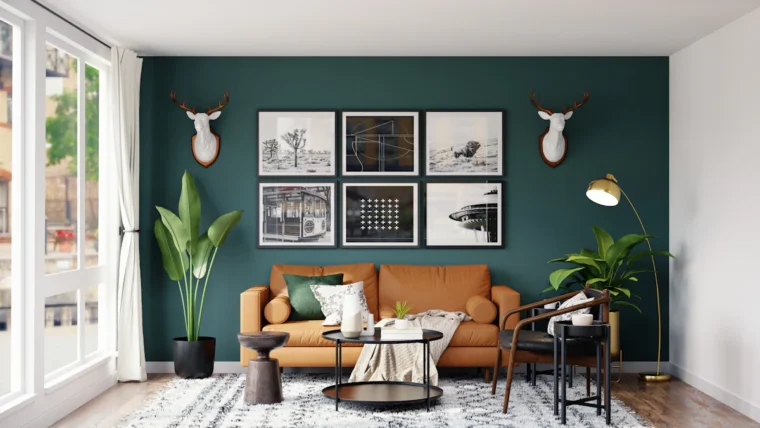
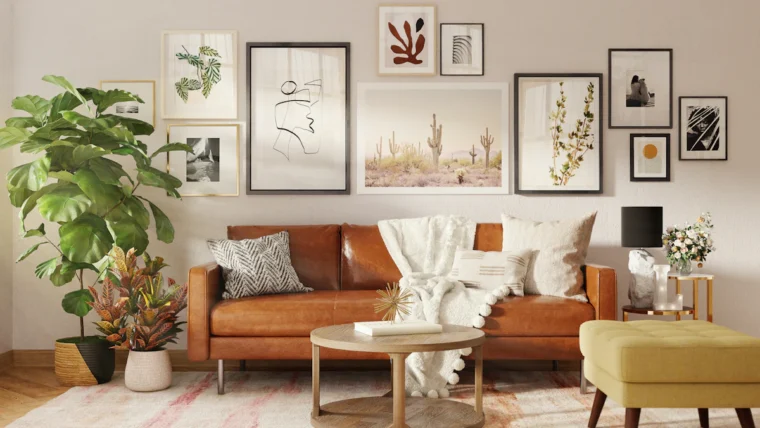
In the living room, fall should be felt before it is seen. Replace one or two lightweight summer textiles with heavier textures: brushed cotton, wool, boucle, velvet, washed linen, corduroy, or a chunky knit. You do not need a pile of pillows—two richer covers can change the whole sofa.
Add contrast through tone rather than pattern overload. A cream sofa can take a tobacco-brown throw and olive cushion. A darker sofa may need oatmeal, flax, and muted rust to keep the room from feeling heavy.
Move the lighting lower as the evenings shorten. Table lamps and floor lamps create pools of light that make wood, textiles, and art feel warmer than one strong overhead fixture. The portable ideas in these renter-friendly lighting ideas work just as well in owned homes when you want seasonal warmth without electrical work.
Finally, edit the coffee table. A low bowl, a stack of books, and one natural object—acorns, pears, a small branch, or a sculptural candle—usually feels more refined than multiple mini pumpkins and signs.
Dining Room: Make the Table Feel Autumnal, Not Themed
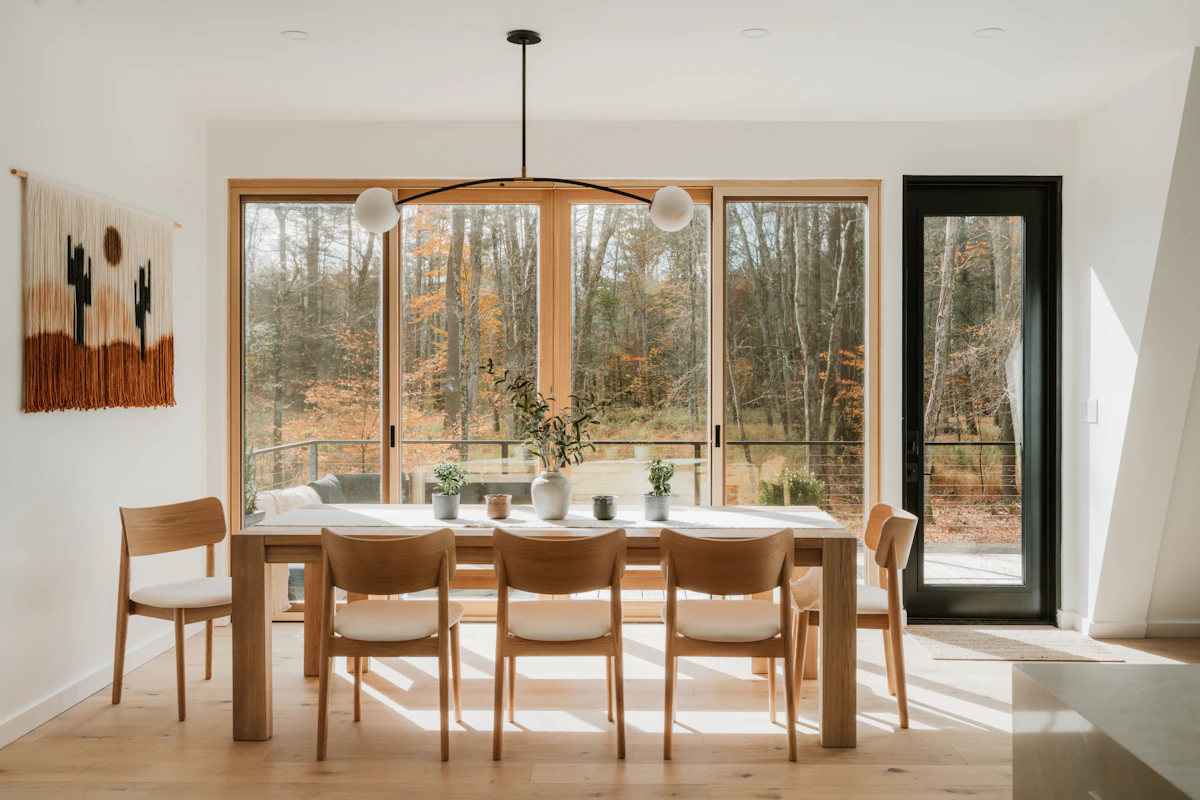
A grown-up fall table starts with material rather than decoration. Use a linen runner, woven placemats, stoneware plates, wood boards, or cloth napkins in a deeper neutral. Let the centerpiece stay low enough that people can talk across the table.
Seasonal produce is one of the easiest ways to decorate naturally. Pears, figs, apples, pomegranates, artichokes, or small gourds can sit in a shallow bowl and still feel like food rather than props. Add one branch arrangement or a few bud vases instead of building a tall centerpiece.
For dinners, mix polished and casual materials: linen with pottery, glass with rough wood, or cream ceramics with aged brass. The tension keeps the room sophisticated instead of rustic-theme heavy.
Kitchen: Let Useful Things Carry the Seasonal Mood
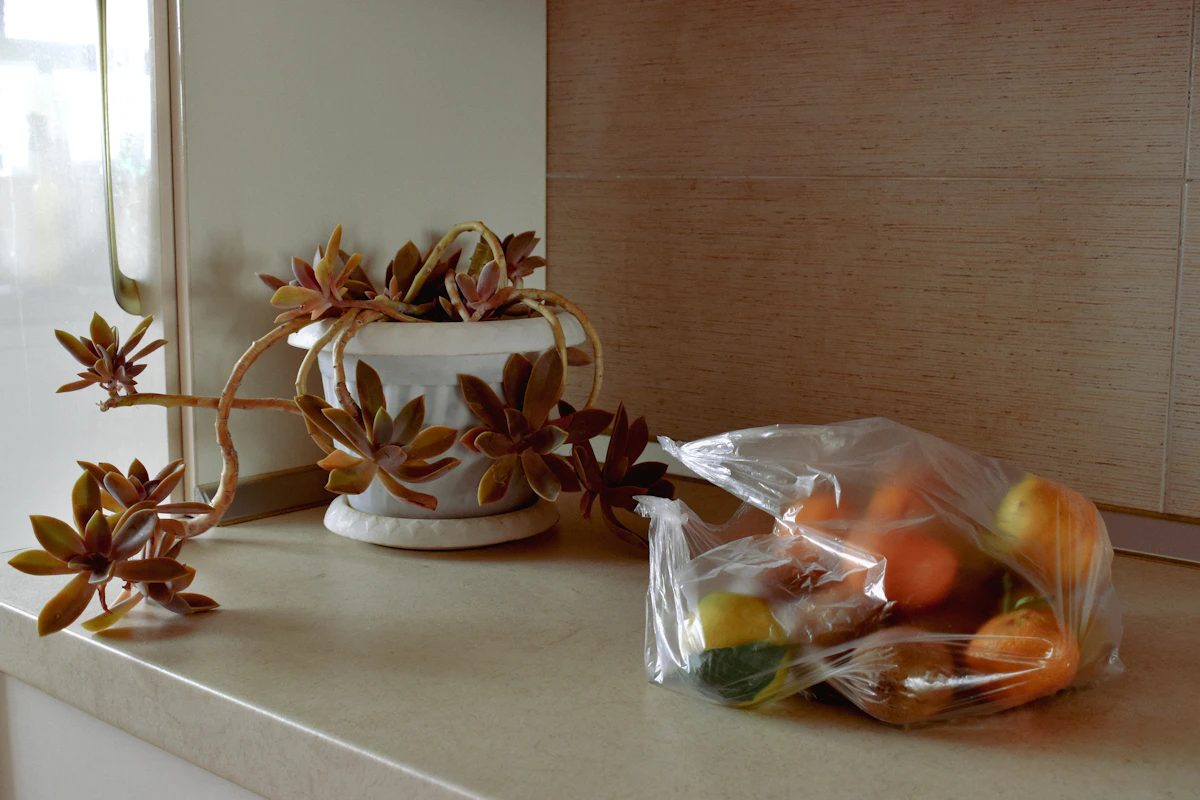
The kitchen needs the most restraint because it already contains a lot of visual information. Rather than adding decor to every counter, let useful items carry the fall palette: a walnut cutting board, brown or olive tea towels, a ceramic crock, a fruit bowl, and a branch in one simple vase.
Seasonal produce does double duty here. Squash, apples, pears, onions, and herbs can create real color without using counter space for purely decorative objects. A bowl of apples or pears usually looks more grown-up than a collection of miniature faux pumpkins beside the stove.
Open shelves or glass-front cabinets can shift subtly through one or two warmer pieces. If you want more ideas for making those surfaces intentional, use the editing approach in these affordable kitchen cabinet styling ideas.
Bedroom: Add Weight, Warmth and Softer Contrast
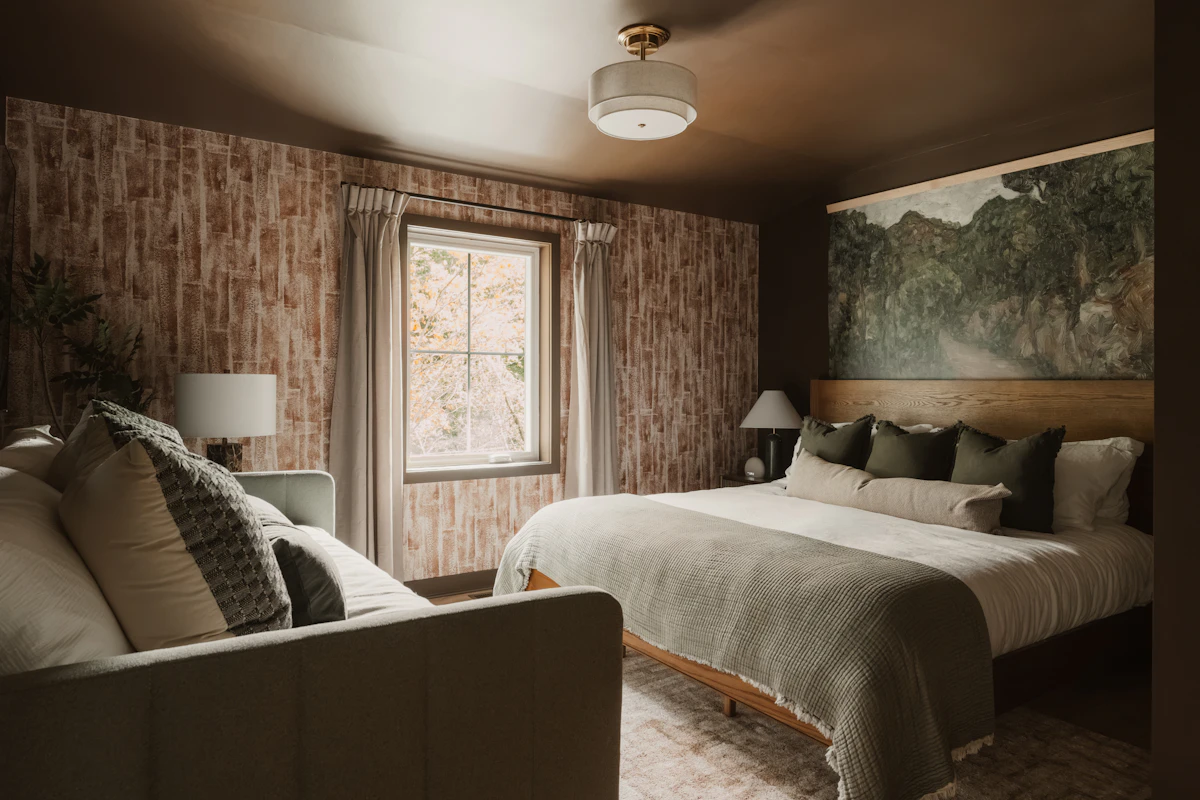
For warmth that works beyond autumn, use our guide to a calm, cozy bedroom as the foundation. The bedroom is where fall texture can do the most work. You do not need a completely new bedding set. Keep the main sheets or duvet neutral, then add one warmer quilt, coverlet, or throw across the foot of the bed.
Use deeper tones closer to the bottom of the bed so the room still feels restful near the pillows. Brown, muted rust, olive, plum, and tobacco work well as accents against cream, flax, taupe, or soft gray.
Change the bedside mood too. A warmer lamp shade, wood tray, small ceramic vase, or one dark-framed artwork can make the room feel seasonally grounded without adding clutter. For a more elevated look, combine these swaps with the material and styling ideas in this guide to making a bedroom look expensive on a budget.
Bathroom: Use Subtle Color, Textiles and Natural Detail
A bathroom does not need obvious seasonal decor. Change the hand towels, bath mat, or shower textile to a warmer neutral or muted earthy tone. A moss green towel, tobacco-colored bath mat, or striped cream-and-brown textile can create enough seasonal contrast on its own.
Then add one natural element: a branch in a narrow vase, a small wood stool, a stone soap dish, or a bundle of dried stems. Keep the vanity mostly clear so the room still feels clean.
If the bathroom has no natural light, avoid over-darkening it for the sake of fall mood. Warm light and reflective surfaces matter more; the strategies in this windowless bathroom guide can help you keep it cozy without making it cave-like.
Home Office or Reading Corner: Create a Quiet Seasonal Layer
A work area or reading corner can feel autumnal with almost no decorative objects. Add one wool or plaid-adjacent throw, a warm task lamp, a mug or ceramic pencil cup, and one piece of seasonal foliage.
If the space already contains a lot of books, paper, or technology, let those objects provide the detail. Choose one deeper textile or wood tone rather than adding several ornaments. A reading chair with a brown throw and floor lamp often creates more seasonal atmosphere than a desk covered in decor.
Small Apartments and Tight Rooms: Edit the Fall Decor Harder
In a small home, every seasonal object competes with something functional. The answer is not to skip fall decor—it is to make each addition do more visual work.
Use one strong seasonal move per zone: a branch arrangement at the entry, one warmer throw in the living room, one bowl of produce in the kitchen, and one textured coverlet in the bedroom. Repeating the same two or three colors across these spaces makes the whole apartment feel intentional without filling surfaces.
If a birthday falls during the season, a small overhead focal point can leave useful surfaces free; see our ceiling balloon decoration ideas for hanging methods and safety limits. Avoid floor-standing seasonal decor unless the room genuinely has space for it. In tight homes, wall art swaps, textiles, lighting, and tabletop natural elements create more atmosphere per square inch.
The Natural Materials That Make Fall Decor Age Well
For the next seasonal change, plan outdoor Christmas decorations around reusable greenery and lighting rather than replacing every piece. The easiest way to keep fall decor from feeling disposable is to choose materials that still look good in January. Wood, stoneware, wool, linen, leather, cane, dried branches, aged brass, dark glass, and woven fibers all bring autumn warmth without being locked to one holiday.
Vintage objects work particularly well because patina already carries the depth people often try to create with seasonal color. A brown pottery vase, old wood box, brass candlestick, or framed landscape can feel more autumnal than a newly purchased themed sign.
The same applies to color. Instead of buying bright seasonal shades that disappear in November, choose deeper versions of colors you already use: forest instead of sage, tobacco instead of beige, burgundy instead of blush, or chocolate instead of gray.
Use Lighting and Scent Without Turning the Room Into a Display
As daylight shortens, lighting becomes part of the fall decor. Use more lamps, warmer bulbs, and lower light sources so the room develops depth. A single bright ceiling light can flatten all the texture you added.
Scent can reinforce the season too, but keep it subtle. Cedar, fig, sandalwood, apple, clove, amber, and wood-smoke-inspired fragrances usually feel more grown-up when used lightly rather than layered all at once.
If you use real candles, treat them as open flames rather than just decor. The National Fire Protection Association advises blowing candles out when leaving a room or going to bed and keeping them at least 1 foot away from anything that can burn; flameless candles are the safer option where fabric, dried branches, pets, or children are nearby. See NFPA candle-safety guidance.
Common Fall Decor Mistakes That Make a Home Feel Less Grown-Up
Repeating the same seasonal object in every room. One pumpkin can feel intentional; twelve versions of it make the season feel like a theme.
Changing color without changing texture. Orange pillows alone do not create warmth. Wool, linen, wood, and layered light are what make the room feel seasonal.
Covering every flat surface. Leave negative space on coffee tables, counters, nightstands, and consoles so the autumn details can actually stand out.
Using only bright orange and red. Fall has a much broader palette: bark brown, moss, ochre, plum, cream, charcoal, tobacco, and muted rust all feel seasonal.
Buying decor that only works for six weeks. Invest in reusable textiles, ceramics, lamps, baskets, and trays, then add a few inexpensive natural elements for the season.
Ignoring how rooms connect. The whole home feels more sophisticated when the same two or three autumn tones repeat quietly from the entryway to the bedroom.
Frequently Asked Questions
How do you decorate for fall without making the house look cheesy?
Use seasonal color, texture, branches, natural wood, ceramics, and softer lighting before adding obvious fall symbols. A few real or realistic natural accents usually feel more polished than repeating pumpkins, signs, and themed objects in every room.
What colors work best for grown-up fall decor?
Warm browns, camel, olive, moss, rust, tobacco, muted ochre, deep burgundy, cream, taupe, and aged brass all work well. Choose two or three that already relate to your permanent room colors rather than introducing an entirely separate fall palette.
How can I decorate for fall on a budget?
Change pillow covers instead of whole pillows, add one throw, bring in branches or dried stems, restyle books and ceramics you already own, and use seasonal produce in the kitchen or dining room. Focus spending on textiles or lighting that can be reused beyond one season.
When should I start decorating for fall?
There is no fixed date. Many people begin when the weather, daylight, or daily routines start to feel more autumnal. A subtle transition in late summer or early September can begin with texture and color, then become richer as the season progresses.
Can fall decor work in a small apartment?
Yes. Use one seasonal focal point per zone instead of spreading small decor everywhere. A textured throw, warm lamp, branch arrangement, or autumn-toned cushion can shift the mood without taking useful floor or surface space.
How do I make fall decor work with neutral interiors?
Keep the neutral base and add contrast through texture and deeper versions of existing tones. Chocolate brown, olive, muted rust, warm wood, woven fibers, aged metal, and cream-on-cream layering can create a strong fall feeling without bright orange.
Let Fall Decor Feel Like Your Home, Just Warmer
The best fall decor does not erase your normal style. It deepens it. A little more texture, a little less brightness, richer wood and textile tones, softer light, and a few natural seasonal elements are enough to move a home from summer into autumn.
Work room by room, but keep one shared palette running through the house. When the entryway, living room, kitchen, dining area, bedroom, and bathroom all carry a quiet version of the same seasonal mood, the result feels warm, natural, and grown-up instead of temporary or overdecorated.

Share Your Thoughts