
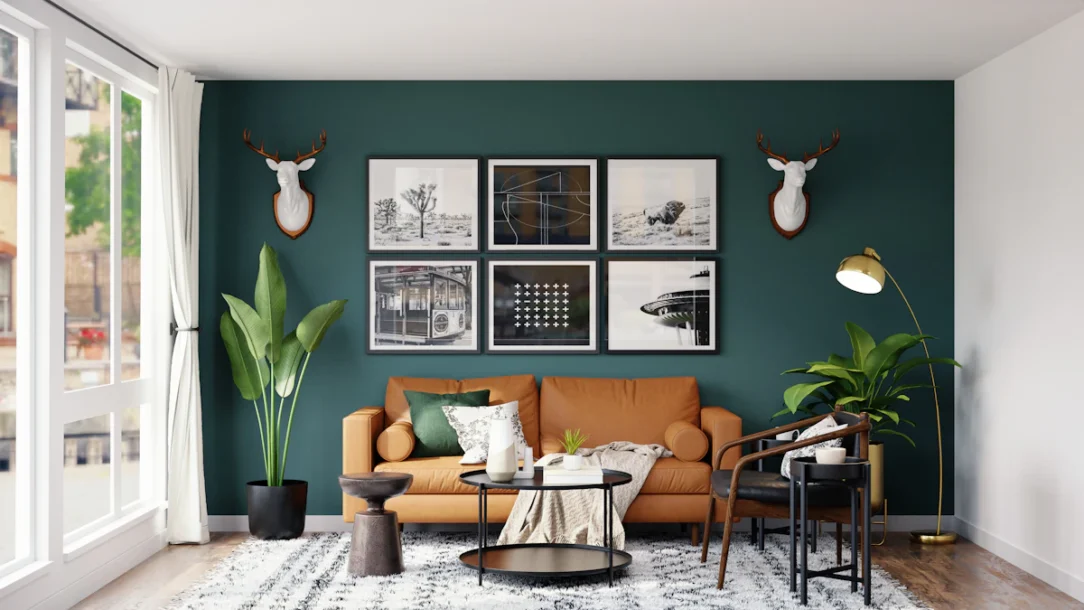
An accent wall should make a room feel more intentional, not simply more colorful. The best one gives the eye a clear place to land, supports the room’s architecture or furniture, and connects to colors that already belong in the space.
The mistake is choosing a wall first and a reason second. A random wall painted darker can make a room feel lopsided, shorten the space, or create a focal point where none is needed. This guide walks through which wall to choose, how to pick a color, how light and undertones change the result, and when skipping the accent wall is the smarter design move.
Table of Contents
What an Accent Wall Should Actually Do
An accent wall should reinforce a focal point that already makes sense. It can frame a bed, emphasize a fireplace, give built-ins more visual weight, or help the far end of a dining room feel anchored. It should answer the question: Why this wall?
Sherwin-Williams notes that the wall opposite the main entrance is often a strong feature-wall candidate because it is naturally seen first, but that is a starting point rather than a rule. The stronger rule is to choose the wall the room already treats as important. See Sherwin-Williams’ accent-wall guidance.
Which Wall Should Be the Accent Wall?
Stand at the main entrance to the room and notice where your eye lands first. Then compare that wall with the room’s strongest architectural or furniture focal point. If both point to the same wall, you probably have your answer.
Good candidates usually have one of these qualities: they are visually complete, they anchor the main furniture arrangement, they contain a fireplace or built-ins, or they terminate a view from another room. A wall does not need to be perfectly blank, but it should read as one clear plane instead of several unrelated fragments.
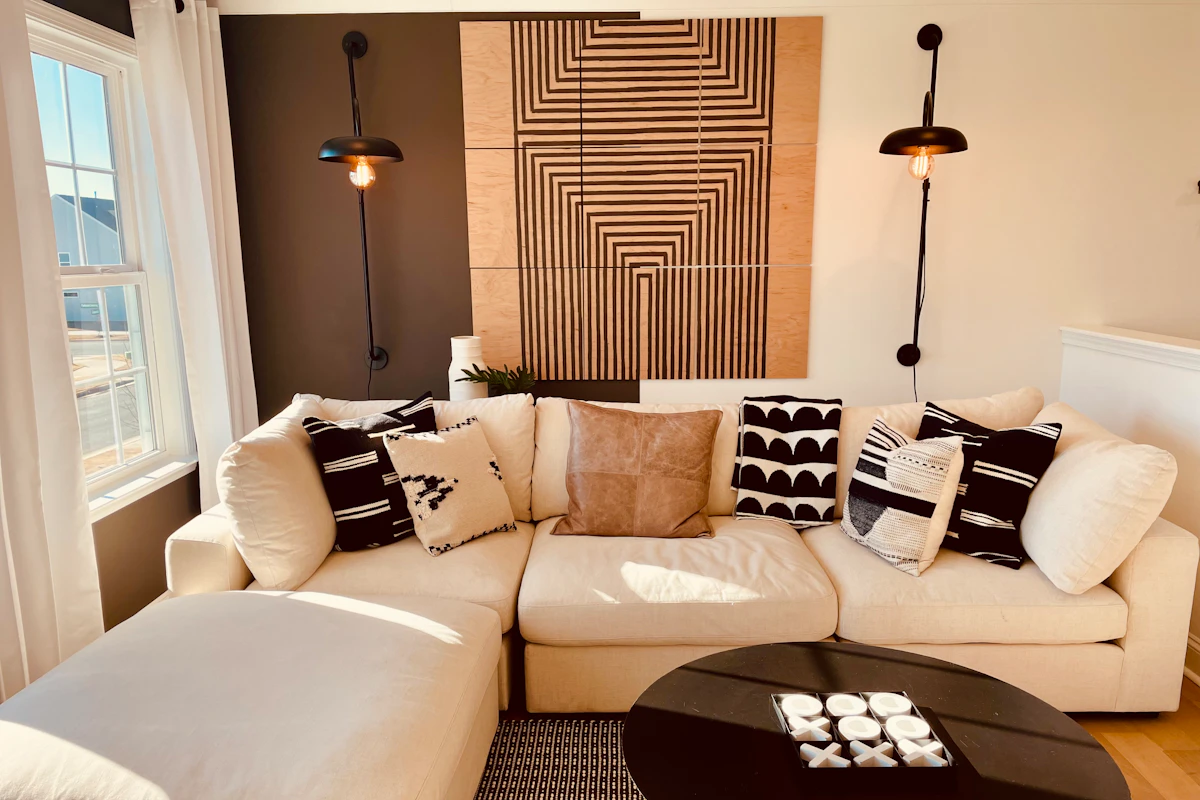
The Best Accent Walls in Common Rooms
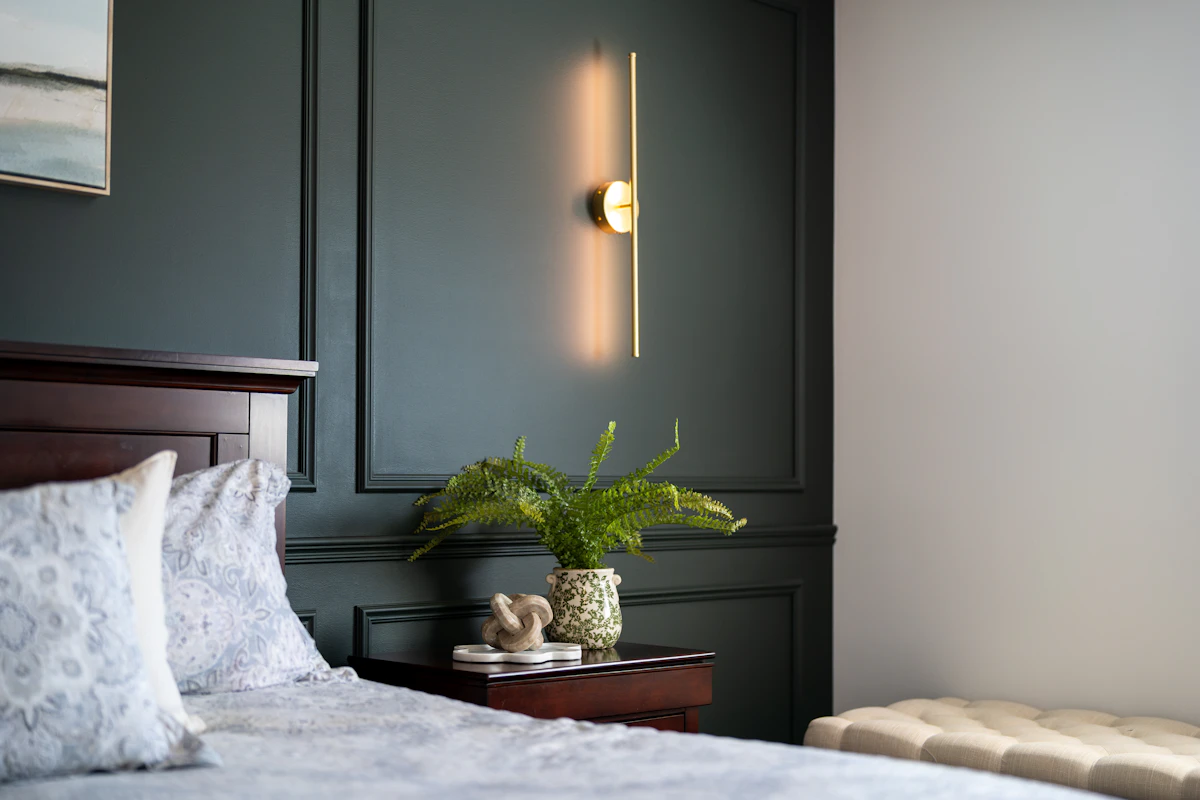
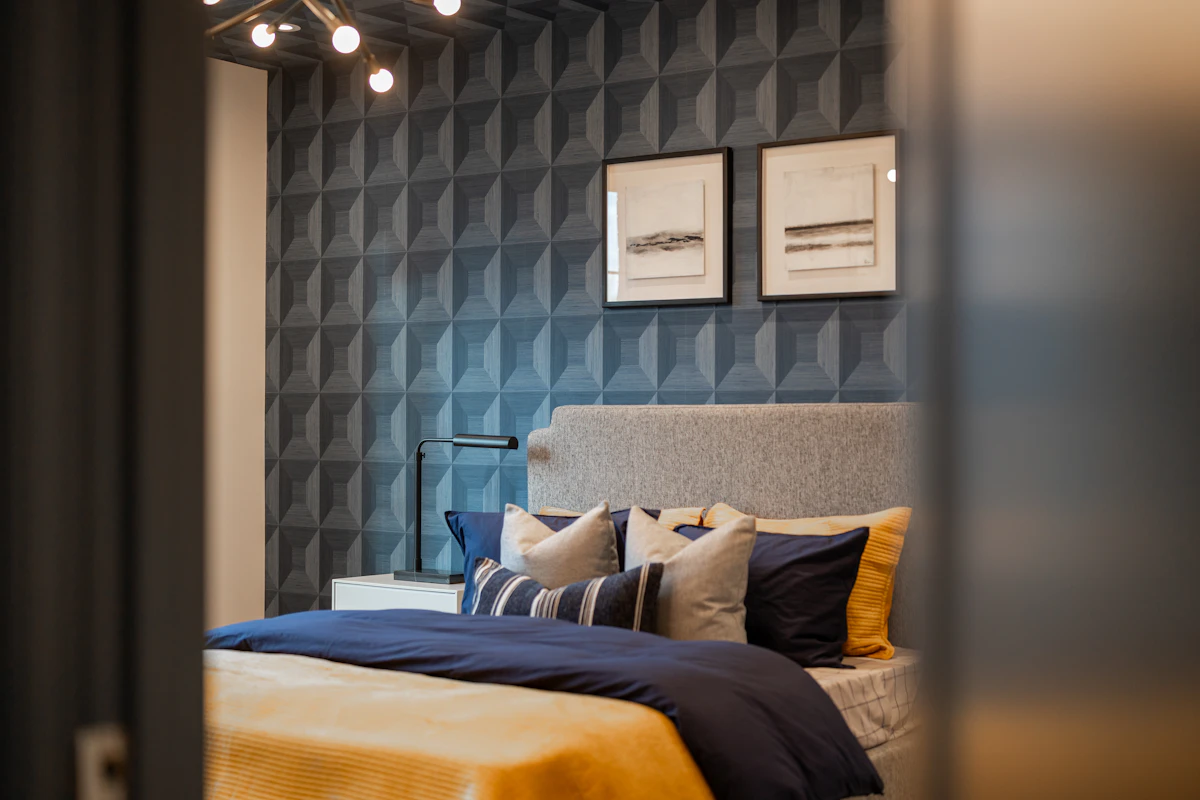
Bedroom: the wall behind the headboard is usually the safest choice because the bed already makes that wall the focal point. A deeper paint color can make the headboard, lamps, and bedding feel more connected.
Living room: the fireplace wall, media wall, or sofa wall can all work. Choose the one that already organizes the seating. If the TV and fireplace compete on different walls, solve the furniture layout first; the principles in this small living room with fireplace and TV layout guide can help you decide where visual emphasis belongs.
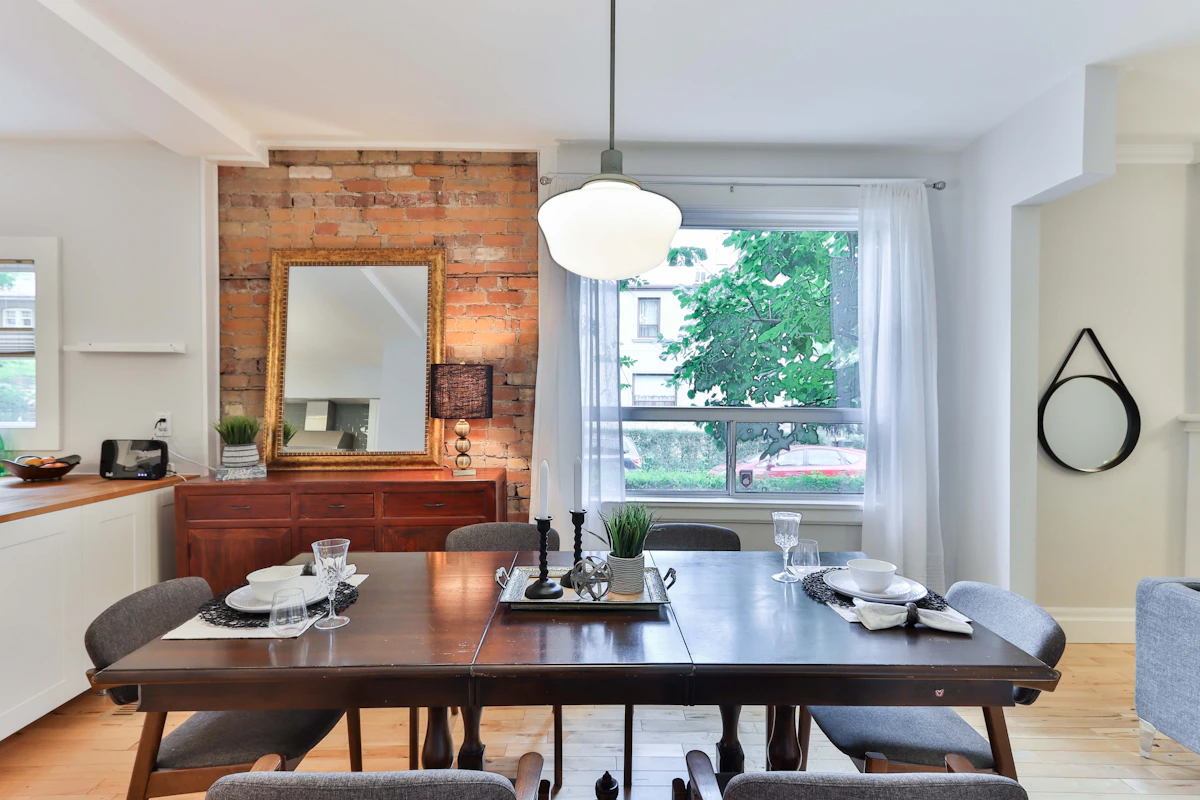
Dining room: the wall behind a sideboard, console, or the far end of the table often works well because it gives the room a visual destination.
Hallway or entry: the wall at the end of the sight line can take a stronger color because it creates a destination without surrounding the whole space. In a very tight entrance, however, keep function first; use the layout ideas in these very small entryway ideas before adding visual weight.
Walls That Usually Make Poor Accent Walls
A wall broken by several doors, windows, odd niches, or short returns can become visually busier when painted differently. The same is true for a wall that is already competing with another obvious focal point across the room.
Be cautious with the shortest wall in a long room. Darkening it can make the room feel shorter, which may be useful in a long narrow space but unhelpful if you want more depth. Also avoid choosing a wall simply because it is empty. Empty does not automatically mean important.
How to Choose an Accent Wall Color That Works
The easiest route is a deeper or lighter version of a color already in the room. If the main walls are warm beige, a tobacco brown, muted olive, deep clay, or darker warm greige can feel related without looking matched. If the room is cool white or blue-gray, consider slate, navy, charcoal, or a cooler green.
You can also pull a color from a rug, artwork, curtains, upholstery, or a permanent finish such as tile or brick. Sherwin-Williams recommends starting with existing fixed features and favorite furnishings so the paint supports the room rather than operating separately. Review its paint-color selection guidance.
If you are building a palette for more than one room, do not choose the accent wall in isolation. The flow strategy in this whole-home color palette guide helps keep a bold wall connected to nearby spaces.
Undertones Matter More Than the Color Name
Two colors both labeled “green” can behave completely differently. One may lean yellow and feel earthy; another may lean blue and feel cooler. The same applies to gray, white, beige, brown, and even black.
Compare the accent color with the undertones in the surrounding wall paint, flooring, wood, stone, and large furniture. If the room contains mostly warm materials, a very icy accent color can look disconnected unless that contrast is deliberate. If undertones are the part that keeps going wrong, use this warm vs. cool neutrals guide as the starting point.
Test the Color in Real Light
Never choose an accent wall color only from a small chip. Natural light, window direction, lamp temperature, and time of day can shift how a color reads. Benjamin Moore specifically recommends testing paint under changing natural and artificial light because undertones can look warmer or cooler throughout the day. See Benjamin Moore’s warm-and-cool color guidance.
Paint a large sample board or a generous section of the actual wall and look at it in morning, afternoon, and evening light. Place the sample next to the sofa, headboard, artwork, or other object the wall will frame. A color that looks perfect by itself can feel wrong once it meets the room.
Can a Small Room Handle a Dark Accent Wall?
Yes, if the dark wall has a job. A dark headboard wall can create depth and make light bedding stand out. A dark wall behind a TV can visually reduce the contrast of the screen. A darker far wall in a long room can make the proportions feel more balanced.
The problem is not simply “dark colors make rooms smaller.” The real issue is whether the contrast divides the room in a useful way. In a low-ceiling living room, for example, a strong horizontal break or overly heavy wall can exaggerate the proportions; the visual-height strategies in this low-ceiling living room guide can help you judge the effect.
Accent Wall Ideas Beyond a Single Paint Color
An accent wall does not have to be one flat paint color. Wallpaper, wood slats, picture-frame molding, paneling, limewash-style finishes, or a different sheen of the same color can create emphasis with more texture and less color contrast.
For renters or anyone who wants pattern without permanent wallpaper paste, removable wallpaper can be an option on suitable walls. Before using it, review the surface and removal limitations in the peel-and-stick wallpaper guide. If the wall will carry art rather than pattern, a strong paint color can also become the background for a balanced gallery wall.
When You Should Skip an Accent Wall
Skip the accent wall when the room has no natural focal point and the color would create one arbitrarily. Skip it when the architecture is already doing enough—dramatic windows, a fireplace, built-ins, stone, or a strong ceiling may not need another competing feature.
It can also be better to paint the whole room a deeper color when you truly love the shade and the space can support it. One dark wall surrounded by unrelated pale walls may feel timid, while wrapping the room can feel more coherent.
Open-plan spaces can be another reason to skip it. If the wall runs through several functional zones without a clear architectural break, changing color halfway may make the layout feel fragmented. In that situation, use furniture, lighting, rugs, or art to create zones instead.
How to Paint an Accent Wall Cleanly
Clear the wall, repair dents and nail holes, clean dust and grease, and let the surface dry fully. Protect trim and adjacent walls, then cut in the edges before rolling the larger area. Use the roller nap recommended for the wall texture and paint product.
For the cleanest corners, take extra time where the accent color meets the surrounding wall. Uneven cut lines are much more visible when the contrast is strong. Follow the paint manufacturer’s drying and recoating times instead of rushing a second coat.
Common Accent Wall Mistakes
Choosing the wall because it is empty. The wall should matter to the room, not just be available.
Ignoring fixed finishes. Flooring, tile, brick, stone, and wood undertones still have to work with the new color.
Using a random bold color. Pulling a tone from art, textiles, or a connected palette usually looks more intentional.
Testing only one time of day. A color that looks balanced at noon may become much warmer, cooler, or darker at night.
Forgetting the whole composition. The accent wall should make the furniture, lighting, and art look better—not demand that everything else compete with it.
Frequently Asked Questions
Which wall should be the accent wall?
Choose the wall that already acts as a focal point: behind the bed, around the fireplace, behind built-ins, behind a dining sideboard, or at the end of a strong sight line. Avoid selecting a wall only because it is blank.
Should an accent wall be darker or lighter than the other walls?
Either can work. A darker wall creates depth and emphasis, while a lighter accent can lift a room with already-deep surrounding color. The relationship to the furniture, undertones, and light matters more than a fixed darker-or-lighter rule.
What is the safest accent wall color choice?
A deeper or lighter version of a color already used in the room is usually the easiest choice. You can also pull a color from a rug, artwork, upholstery, or another fixed finish.
Do accent walls make small rooms look smaller?
Not automatically. A dark or bold wall can create useful depth when it supports the room’s focal point. It becomes a problem when the contrast chops the room visually or emphasizes an awkward proportion.
Can the TV wall be an accent wall?
Yes. A deeper, lower-contrast color behind a TV can reduce how stark the black screen looks. The wall should still work with the rest of the furniture layout and not compete with a stronger fireplace or architectural focal point.
When should I skip an accent wall?
Skip it when there is no clear focal wall, when the room already has strong architecture, when an open-plan wall has no natural stopping point, or when painting the whole room would create a more coherent result.
Choose the Wall That Already Wants Attention
The best accent wall is not the boldest wall in the room. It is the wall that makes the room easier to understand. It frames the bed, fireplace, TV, dining zone, artwork, or architecture that already deserves attention.
Choose the wall first, then choose the color in relationship to the fixed finishes, furniture, undertones, and light. If no wall clearly deserves the emphasis, skip the accent wall rather than forcing one. A room with a coherent all-over color can be more sophisticated than a feature wall added without a reason.

Share Your Thoughts