
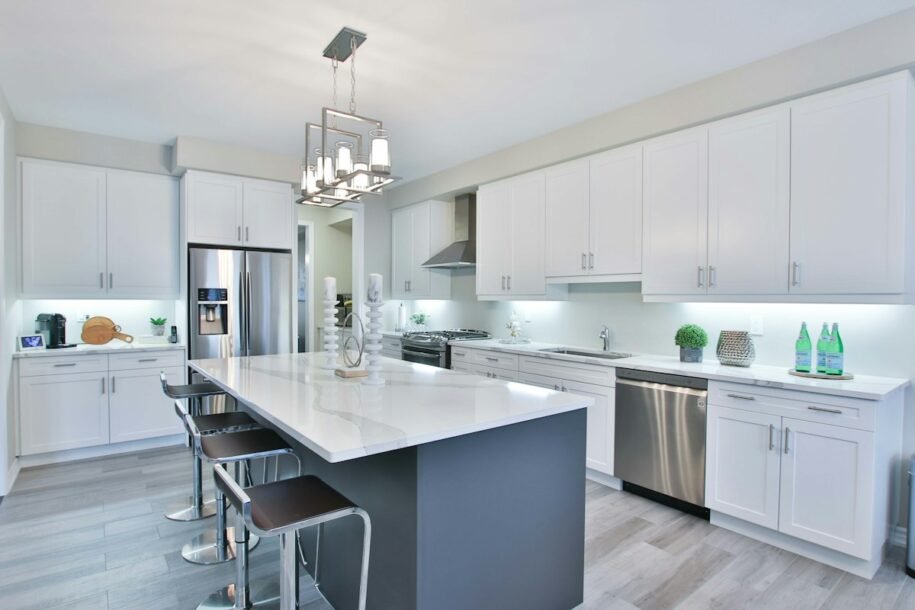
The best efficient cabinetry ideas do more than add cupboards: they make the space you already have easier to use. A deep cabinet can hide everyday pans, a corner can become an awkward dead zone, and a tall shelf can waste valuable vertical space if everything is stacked in one pile. The fix is to plan storage around what you own, how you cook, and how easily you need to reach it.
Whether you are planning a remodel or improving existing cabinets, these 15 kitchen cabinetry ideas can help you store more, reduce countertop clutter, and create a kitchen that feels calmer without automatically adding more square footage.
1. Add Pull-Out Shelves to Deep Base Cabinets
Deep base cabinets offer plenty of volume, but fixed shelves can make the back difficult to reach. Pull-out shelves bring pots, mixing bowls, food containers, or small appliances toward you instead of forcing you to remove everything in front. They are especially useful below the main prep counter and in cabinets where items tend to disappear behind one another.
Before buying a retrofit kit, measure the interior width, depth, and opening. Check hinges, plumbing, door swing, and the shelf’s weight rating. Store heavier cookware on lower pull-outs and everyday items near your prep area.
2. Replace Some Shelves with Deep Drawers
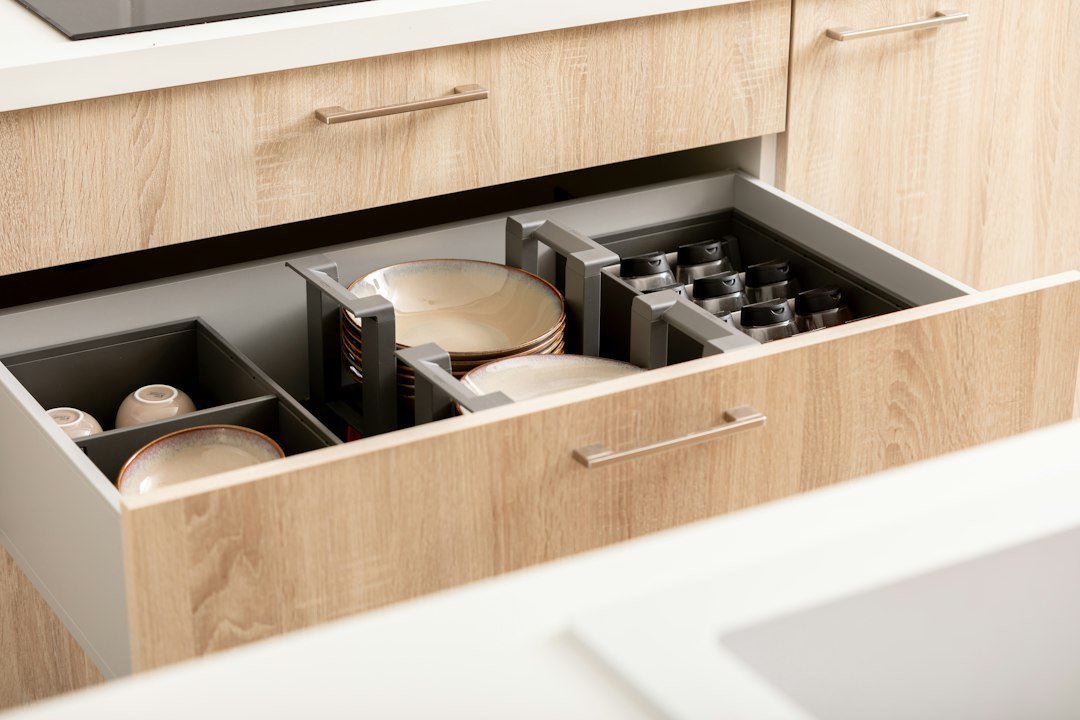
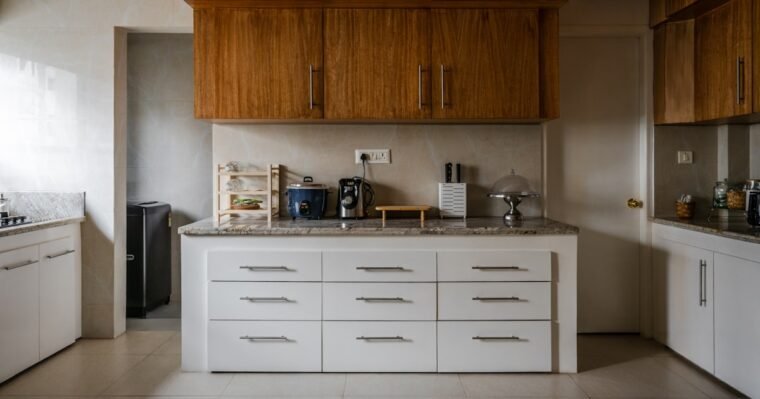
Wide drawers can be more practical than a traditional door-and-shelf base cabinet because you can see the contents from above. Use a shallow top drawer for utensils, a medium drawer for everyday bowls, and a deep drawer for pots, pans, and lids. Full-extension slides let the drawer travel outward so the back is easier to access.
When designing new cabinetry, mix drawer heights rather than making every drawer identical. For an existing kitchen, drawer conversions may require professional cabinet work, so compare the cost with adding pull-out inserts to the current cabinet boxes.
3. Install Vertical Dividers for Trays and Cutting Boards
Cookie sheets, cutting boards, cooling racks, and serving trays are awkward to stack flat. A cabinet with vertical dividers stores these items upright, so you can slide out the one you need without lifting a pile. Dividers work well in a narrow section beside an oven, inside a wide drawer, or in a tall cabinet near the baking area.
Choose adjustable dividers if your collection includes items of different thicknesses. Make sure the slots are wide enough for your largest tray and that the boards can stand securely without tipping. Keep heavy cast-iron griddles low and avoid forcing oversized items into tight slots.
4. Make Corner Cabinets Easier to Reach
Corner cabinets can hold a surprising amount, but their deep, shadowy interiors often go underused. A rotating turntable, kidney-shaped pull-out, or swing-out shelf system can make the contents easier to reach. The best choice depends on whether you have a blind corner, a diagonal corner cabinet, or a corner base with a hinged door.
Store mixing bowls, pots, or small appliances that suit the shape of the cabinet. Before installing hardware, check the available opening and hinge clearance carefully; some mechanisms need specific cabinet dimensions. If a full retrofit is too expensive, use the back corner for rarely used items and keep daily essentials in easier-to-reach drawers.
5. Plan a Tall Pantry Cabinet with Adjustable Shelves
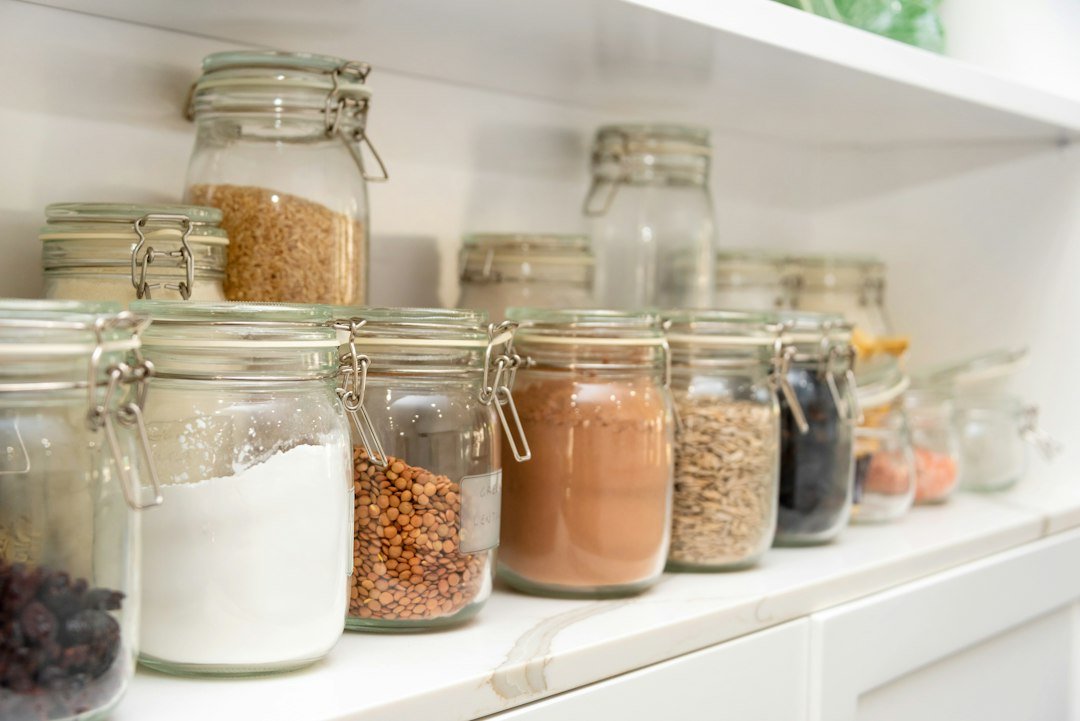
A tall pantry cabinet uses vertical space while keeping dry goods and kitchen supplies behind closed doors. Adjustable shelves help accommodate cereal boxes, jars, small appliances, and bulk purchases as your needs change. If possible, divide the pantry into zones: breakfast, baking, snacks, dinner staples, and backstock.
Keep daily essentials between waist and eye level, lighter occasional-use items higher, and heavy containers lower. Shallow pull-out trays improve visibility, while clear bins keep small packets grouped together.
6. Use Hidden Inner Drawers
Inner drawers sit behind a larger cabinet front or inside a deep drawer. They create a second storage level for smaller items without adding another visible line to the cabinetry. Consider them for cutlery, measuring spoons, cooking tools, tea bags, or small food-storage accessories that otherwise get mixed together.
For a remodel, size inner drawers around the items you own. In existing cabinets, a removable organizer or tiered tray may offer similar benefits. A few flexible sections are often more useful than many tiny compartments.
7. Organize the Cabinet Under the Sink
The cabinet below the sink often has to work around plumbing, a disposal, filters, or cleaning supplies. A custom U-shaped drawer, a two-tier pull-out, or narrow bins can make the usable space easier to manage. Keep cleaning products contained and separated from food-related storage, and leave enough clearance to reach shutoff valves and inspect plumbing.
Measure around pipes before ordering a pull-out system. Use the lower area for heavier bottles or spare bin liners, and keep sponges or dishwasher supplies in a small removable caddy. Avoid storing products where a leak could go unnoticed, and never block access to plumbing connections.
8. Put the Inside of Cabinet Doors to Work
The back of a cabinet door can hold lightweight items that do not need a full shelf. Slim racks can organize wraps, measuring spoons, pot lids, or small cleaning tools. Door-mounted storage is especially useful when a cabinet has spare clearance between the door and the items inside.
Check the depth before installing anything: a rack that protrudes too far can hit shelves, hinges, or stored dishes when the door closes. Use secure hardware rather than relying on adhesive alone for heavier objects, and avoid overloading the door. Keep sharp tools and cleaning chemicals out of reach of children.
9. Add Shelf Risers and Adjustable Shelving
When a cabinet shelf is tall but the stored items are short, the unused air above them becomes wasted space. A sturdy shelf riser creates another level for mugs, bowls, plates, or pantry containers. Adjustable shelves offer a longer-term solution because you can change the spacing when your cookware or grocery habits change.
Measure the height of the tallest item you plan to store, including lids and handles. Use risers designed for the expected weight, and avoid stacking heavy dishes on flimsy wire shelves. Group similar items together and keep the front edge clear enough to lift items out safely.
10. Turn Narrow Gaps into Pull-Out Storage
A slim pull-out cabinet can fit between a refrigerator and a wall, beside an oven, or within a planned cabinet run. Depending on the width and hardware, it can hold cooking oils, sauces, spices, baking sheets, or cleaning supplies. The main advantage is visibility: items slide forward rather than becoming lost in a narrow gap.
Measure the true opening after accounting for trim, appliance clearance, and door handles. Keep bottles upright and check that the pull-out can close without hitting nearby handles. If the gap is too narrow for a reliable mechanism, a fixed narrow shelf or wall-mounted rack may be a better use of the space.
11. Create an Appliance Garage
An appliance garage is a dedicated cabinet area that hides countertop appliances behind a door, tambour, or lift-up front. It can hold a toaster, coffee grinder, blender, or other small equipment you use often but do not want to leave on display. Placing it near a suitable outlet makes daily routines easier.
Plan ventilation and electrical access before building one. Switch appliances off and let them cool according to their manuals before storing them. Never operate a heat-producing appliance inside a closed cabinet, and keep cords clear of the door.
12. Add Pull-Out Waste and Recycling Bins
Built-in bins keep trash and recycling off the floor and can make food preparation more convenient when placed near the sink or prep area. A two-bin pull-out can separate waste from recyclables, while a removable caddy makes cleaning easier. Choose containers that match your household’s actual waste volume rather than squeezing oversized bins into a small cabinet.
Measure the cabinet opening and account for plumbing, drawer slides, and the bin’s lid. Look for containers that lift out easily and can be washed. Keep the area dry, wipe up spills promptly, and follow local recycling rules for what can go in each container.
13. Give Spices a Dedicated Cabinet Zone
Spices are small, but they can quickly take over a cabinet. A shallow drawer insert, tiered shelf, or door-mounted rack helps keep labels visible and makes it easier to find the right jar while cooking. Place the spice zone near the prep area, but away from direct heat and moisture that can shorten freshness.
Arrange jars alphabetically or by how often you use them—choose one system and stick with it. Check the cabinet’s depth before buying a tiered organizer, and make sure jars cannot roll out when the drawer opens. If you buy spices in different-sized containers, adjustable rows or a simple labeled box may be more flexible.
14. Make the Kitchen Island Work Harder
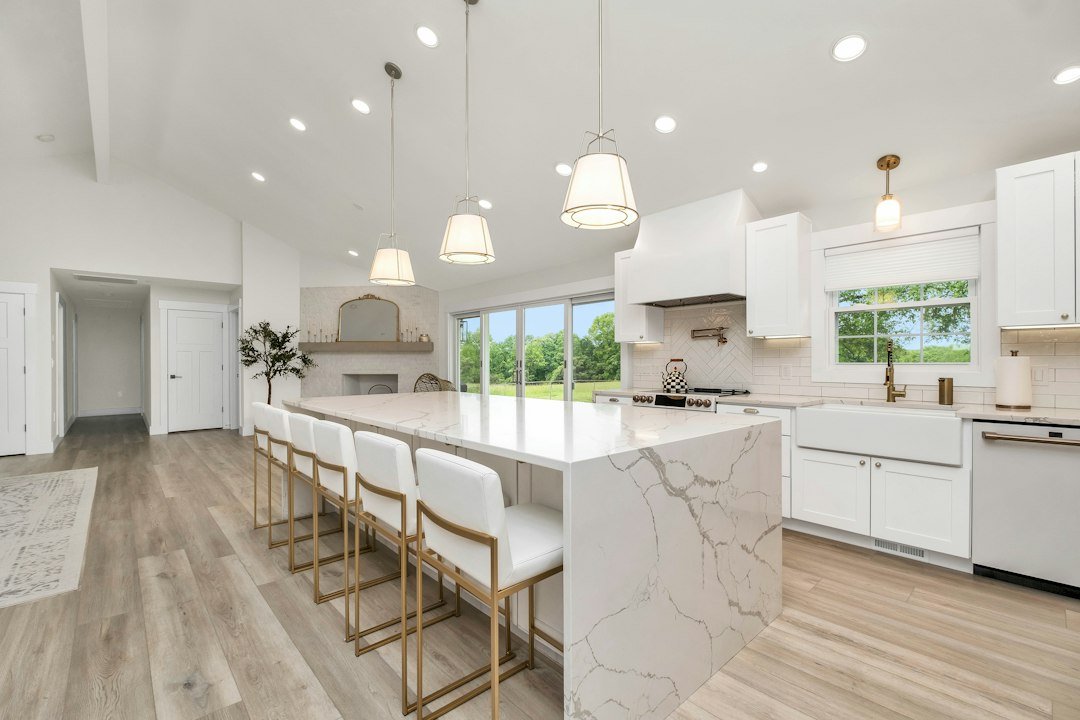
If your kitchen has an island, its cabinet space can support more than occasional serving dishes. Use drawers on the prep side for knives, utensils, and mixing bowls; add tray dividers for baking equipment; or reserve a cabinet for pots and pans near the cooktop. On the seating side, shallow cabinets can hold placemats, board games, or entertaining supplies.
Plan storage around traffic flow. Drawers should open without blocking walkways or hitting stools. Keep heavy items low, and avoid placing everyday essentials on the far side of the island.
15. Extend Cabinets Closer to the Ceiling
Taller upper cabinets can provide extra storage without taking up more floor space. They also reduce the dust-catching gap above standard cabinets and create a more built-in appearance. Use the highest shelves for seasonal serving pieces, special-occasion platters, or items you rarely need—not everyday mugs or heavy cookware.
For existing cabinets, a coordinated top box or properly installed extension may be possible, but the structure, ceiling level, and finish need careful planning. Do not place heavy items where they can be reached only by stretching or balancing on a chair. Use a stable step stool and store frequently used items at a comfortable height.
How to Choose the Right Efficient Cabinetry Ideas for Your Kitchen
Start by identifying the cabinet that causes the most frustration. If you cannot reach the back of a base cabinet, try a pull-out. If cookware is stacked in a tower, deep drawers or vertical dividers may help more than adding another cupboard. If food packets are scattered across several shelves, a tall pantry with adjustable shelves and clear zones may be the better investment.
- Measure first: Record interior width, depth, opening width, shelf height, hinge position, and any pipes or outlets.
- Prioritize daily use: Keep everyday dishes, utensils, and cooking ingredients close to the areas where you use them.
- Compare retrofit and remodel costs: Drawer inserts and shelf risers can improve existing cabinets; built-in appliance garages and custom corner systems may need professional planning.
- Protect access and safety: Do not block plumbing, ventilation, outlets, or appliance clearances. Secure heavy items and hardware properly.
- Leave room to adapt: Adjustable shelves and movable dividers can work better than a highly specialized layout that may not fit future needs.
For more ideas to make a kitchen feel open, read our guide to kitchen decor ideas to make your space feel bigger. If you are updating the surrounding room too, our wall decor guide can help you plan finishes and visual balance beyond the cabinets.
For additional cabinet and drawer organization guidance, see IKEA’s kitchen cabinet and drawer organization ideas.
Frequently Asked Questions
What is the most efficient kitchen cabinet storage solution?
It depends on the problem. Pull-outs improve access to deep cabinets, full-extension drawers reveal cookware, and vertical dividers organize trays. Start with the area you struggle to use most.
How can I maximize kitchen cabinet space without replacing cabinets?
Try shelf risers, drawer dividers, door-mounted racks, pull-out trays, clear bins, and adjustable organizers. Measure the cabinet carefully before buying an insert, and remove items you no longer use so the space works for your actual routine.
Are drawers better than shelves in kitchen base cabinets?
Drawers often make pots, pans, and everyday items easier to reach because the contents come forward. Shelves can still be useful for tall appliances, large containers, or items that do not fit drawers. A mix of both usually offers more flexibility.
How do I make a corner kitchen cabinet more useful?
A turntable, swing-out shelf, or pull-out corner system can improve access, depending on the cabinet shape and opening. Check the available dimensions and hinge clearance before purchasing hardware. If a retrofit is impractical, reserve the deepest area for less frequently used items.
What should go in the highest kitchen cabinets?
Store lightweight items you use occasionally, such as seasonal dishes, special-occasion serving pieces, or extra supplies. Keep heavy cookware and everyday essentials at safer, easier-to-reach heights.
Can I add pull-out shelves to existing kitchen cabinets?
Often, yes. Check the opening, interior dimensions, hinges, plumbing, and weight rating first. Some cabinets need professional modification for a safe fit.
How much should I budget for cabinet storage upgrades?
Costs vary widely by location, materials, cabinet dimensions, and whether you choose a simple organizer or custom hardware. Start with lower-cost changes such as dividers and shelf risers, then price pull-outs or custom cabinetry for the areas where better access would make the biggest difference.
Final Thoughts
The most useful efficient cabinetry ideas are the ones that remove everyday friction: reaching a pan, finding a spice, putting away groceries, or keeping the counter clear. You do not have to remodel the entire kitchen at once. Measure your cabinets, choose one problem area, and add a solution that fits the way you actually live and cook.

Share Your Thoughts