
Decorating a home does not have to mean spending hundreds of dollars on every room. A few well-chosen accessories, a secondhand side table, affordable artwork, or fresh pillow covers can change how a space feels without stretching your budget. The trick is knowing where to find cheap home decor and what each store or marketplace is best for.
Some retailers are great for simple everyday basics, while discount stores offer one-of-a-kind finds and resale marketplaces can be especially useful for furniture. Below are 15 places to shop, plus practical ways to compare quality, avoid unnecessary purchases, and make inexpensive pieces look thoughtfully collected.
Table of Contents
- 15 Places to Find Cheap Home Decor
- How to Shop for Home Decor on a Budget
- How to Make Affordable Decor Look More Expensive
- Frequently Asked Questions
15 Places to Find Cheap Home Decor
1. Thrift Stores
Local thrift stores are excellent places to look for frames, ceramic vases, baskets, lamps, mirrors, small tables, and unusual decorative objects. Their inventory changes with donations, so the best finds may not be available every visit. Go with a short list of what you need, but stay open to pieces that can work in more than one room.
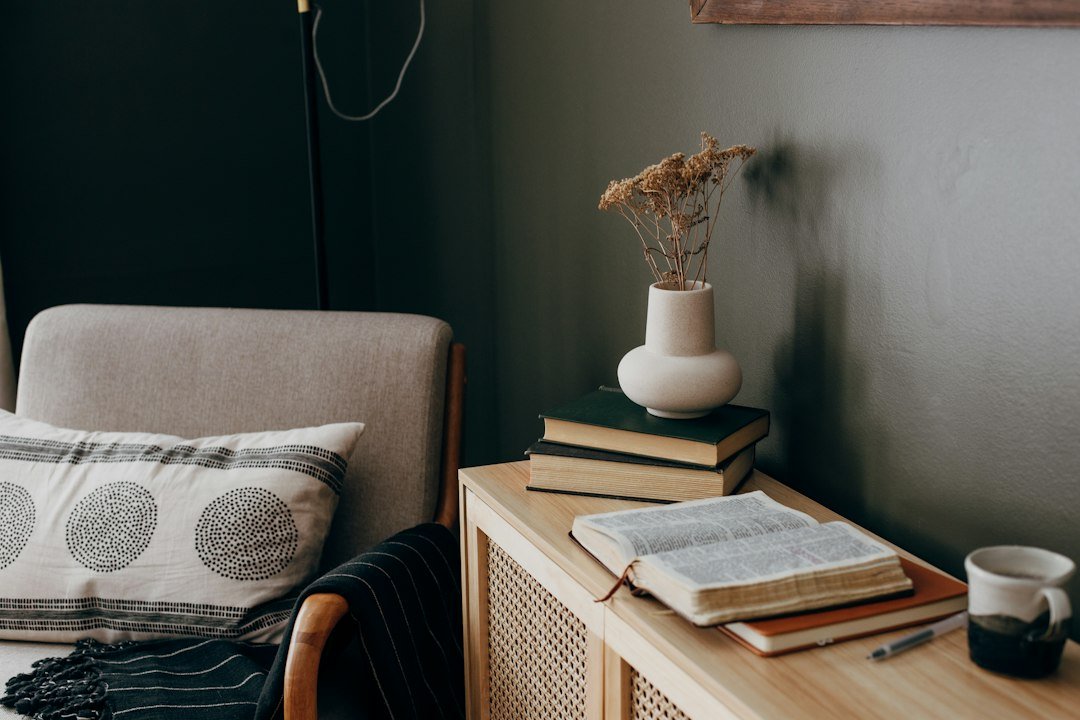
Check items carefully before buying. Look for stable joints on furniture, chips on ceramics, odors in textiles, and damage around lamp cords or plugs. A dated finish can often be refreshed, but structural problems or unsafe electrical parts may cost more to fix than the item is worth.
2. Facebook Marketplace
Facebook Marketplace can be useful for larger pieces such as coffee tables, bookshelves, mirrors, dining chairs, lamps, and gently used rugs. Local listings may save shipping costs, and sellers sometimes discount items when they need to clear space quickly. Search specific terms such as “solid wood side table,” “arched mirror,” or “neutral area rug” instead of browsing only the broad home decor category.
Ask for measurements, close-up photos, and details about wear before arranging pickup. For bulky furniture, confirm how it will fit through your door and whether you need help carrying it. Meet safely, inspect the item before paying, and avoid sending deposits to strangers for listings you have not verified.
3. Habitat for Humanity ReStore
Habitat ReStore locations sell donated and surplus home goods, furniture, lighting, building materials, and renovation items. Selection varies by store, but you may find mirrors, shelves, cabinets, tables, hardware, and decor at lower prices than conventional retailers. Shopping here can also support Habitat for Humanity’s work in local communities.
Check the store’s current inventory and policies before making a special trip. This is particularly useful when you need practical pieces for a room refresh or a small DIY project rather than a matching collection of accessories. Find a location through the official Habitat ReStore directory.
4. IKEA
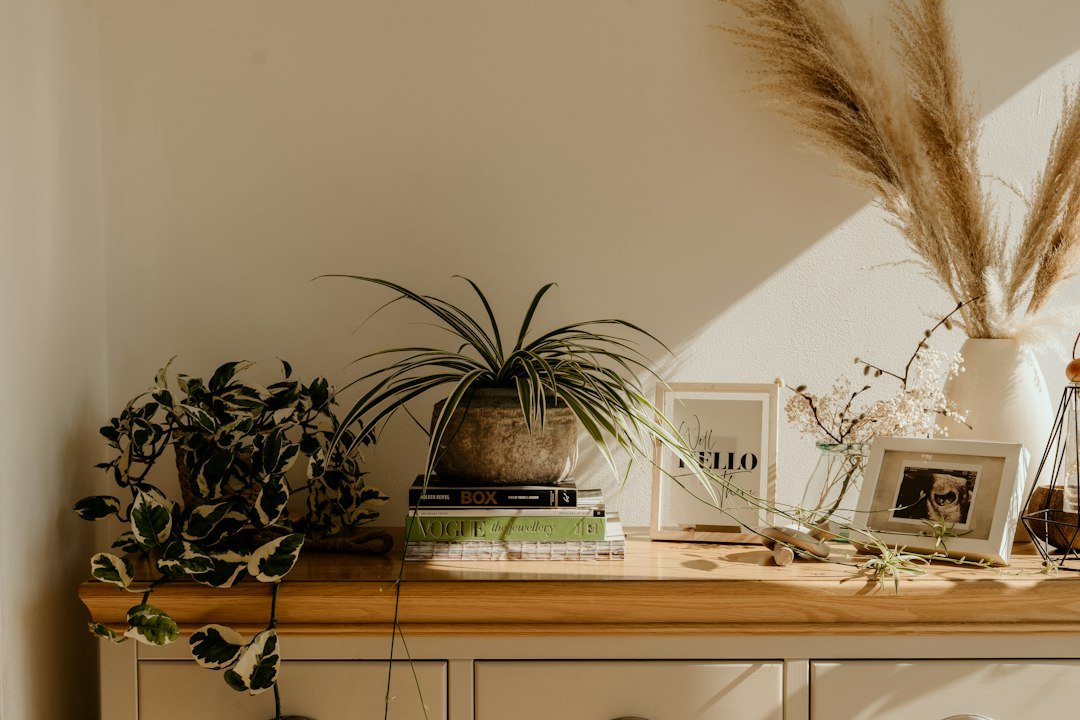
IKEA is a strong option for affordable basics: picture frames, storage baskets, artificial plants, lamps, small shelves, textiles, and simple furniture. The clean shapes and restrained colors make many pieces easy to mix with thrifted or more decorative items. It is especially helpful when you need several functional items that coordinate without looking overly themed.
Compare the complete cost, including delivery or assembly, before choosing a larger piece. Check the current sale and “as-is” options where available, and measure your room before shopping. Browse the IKEA U.S. store for current collections and offers.
5. Target
Target is worth checking for seasonal decor, throw pillows, vases, tabletop accessories, lamps, baskets, and small storage pieces. Its home collections often make it easy to create a coordinated look, particularly if you prefer warm neutrals, modern farmhouse details, or simple contemporary styling.
Look through clearance sections and compare similar products across sizes and materials. You do not need to buy an entire collection: one attractive lamp or pair of pillow covers can work with items you already own. Check the Target home decor section for current availability.
6. Walmart
Walmart offers budget-friendly home accessories, rugs, curtains, bedding, storage, wall art, and furniture in a wide range of styles. It can be convenient when you want to compare everyday essentials and decorative pieces in one place. Online selection may differ from what is available in an individual store.
Read dimensions and material details carefully, especially for rugs, curtains, and furniture. Customer photos can help you understand color and scale, but check recent reviews for comments about construction and durability. Start with the Walmart home department and compare the final delivered price.
7. HomeGoods
HomeGoods is a useful stop for decorative objects, mirrors, accent lamps, baskets, rugs, pillows, tableware, and occasional furniture. The appeal is its changing selection: you may find an unusual piece that feels more individual than a mass-produced set. Because inventory varies, a flexible shopping list works better than expecting one exact item to be in stock.
Inspect finishes and dimensions in person, and buy only items that fit your room and palette. A discounted object is not a saving if it sits unused in a closet. If you find a piece you love, check that it works with at least two or three things you already own.
8. TJ Maxx
TJ Maxx can be good for candles, decorative trays, small vases, bedding accents, pillows, baskets, and occasional brand-name home accessories. It is particularly useful when you want one or two finishing touches rather than furniture for an entire room. Inventory changes, so prices and styles depend on the current selection.
Look at the quality of seams, glaze, hardware, and finishes rather than relying only on a brand name or markdown label. Neutral basics are often easier to reuse season after season, while a bold accent can be a good buy if it clearly suits your space.
9. Marshalls
Marshalls offers a similar treasure-hunt experience, with home accessories, textiles, tabletop items, storage, and selected furniture varying by location. It can be a smart place to search for a decorative bowl, textured throw, framed art, or accent piece that adds contrast to a room.
Compare items with similar products elsewhere and check the return policy before buying. For coordinated rooms, choose one or two pieces that repeat colors already in your home instead of purchasing several unrelated bargains.
10. At Home
At Home specializes in home decor and often has a broad selection of wall art, seasonal accents, rugs, faux greenery, pillows, vases, and tabletop pieces. Its large stores can be useful when you want to compare many colors and styles in one visit, although availability and pricing vary.
Use the store to fill a specific gap in your room plan. Measure wall space before shopping for art, bring fabric or paint color references if helpful, and check clearance areas for items that can be used beyond a single holiday or season.
11. Dollar Tree
Dollar Tree is best for small, low-risk decorating supplies: glass vases, simple frames, faux florals, baskets, craft materials, seasonal accents, and basic organizers. These inexpensive pieces can be useful for shelf styling, party tables, or DIY projects when you want to experiment without spending much.
Inspect glass and plastic for flaws, and avoid using lightweight items for jobs that require strength or stability. A simple vase can look polished with a few stems, while a basic frame can feel more intentional when the artwork and mat are well chosen.
12. Wayfair
Wayfair is useful for comparing a large range of online home products, including rugs, lighting, mirrors, wall decor, curtains, and furniture. Filters can narrow choices by size, style, material, and price, which is helpful when you already know the measurements and look you need.
Read product dimensions, shipping details, return terms, and reviews before ordering. Search for the same item by its product name or image when possible, and compare the total cost rather than the headline discount. Browse the Wayfair website and its sale sections, but do not assume every marked-down product is the best value.
13. Amazon
Amazon has a broad range of affordable home accessories, including curtain panels, lamps, storage baskets, frames, faux plants, and small decorative objects. It is convenient for comparing dimensions and reading many customer reviews, though quality can vary significantly between sellers.
Check the materials, measurements, seller information, and customer photos. Reviews that discuss durability after months of use are often more helpful than comments about packaging or quick delivery. Avoid buying a multi-piece set unless you genuinely need every item in it.
14. Etsy
Etsy is worth exploring for printable wall art, handmade ceramics, custom labels, small textiles, vintage objects, and distinctive accents from independent sellers. Digital downloads can be especially affordable because you can print artwork in a size that suits your frame, although printing and framing may add to the final cost.
Read the listing carefully to understand whether you are buying a physical product or a digital file. Review dimensions, shipping times, seller policies, and customer photos. For printable art, check the file resolution and permitted use before ordering.
15. Home Depot
Home Depot is not only for renovation supplies. Its home section can be useful for mirrors, lighting, shelving, curtain hardware, planters, storage, and DIY materials that help make a room feel finished. It is particularly practical when your decorating plan includes small upgrades rather than accessories alone.
Compare fixture dimensions and installation requirements, and make sure any lighting or hardware is appropriate for the intended location. A fresh coat of paint, new cabinet pulls, or better shelf styling can sometimes improve a room more than another decorative purchase. Browse the Home Depot website for current options.
How to Shop for Home Decor on a Budget
The lowest sticker price is not always the lowest overall cost. Before buying, decide what the room needs, measure the space, and set a maximum spend. Prioritize items you use every day, then add decorative details gradually. This approach helps you avoid impulse purchases that do not work with the rest of your home.
- Start with a short list. Identify the two or three changes that would make the biggest visual difference.
- Measure first. Check wall width, furniture height, rug dimensions, and available storage before shopping.
- Compare total cost. Include shipping, delivery, assembly, supplies, and potential repairs.
- Mix new and secondhand. Pair affordable basics with a few thrifted or vintage pieces for more character.
- Check return policies. This matters especially for online orders and larger purchases.
- Wait before buying extras. Save an item and revisit it after a day to see whether it still fits your plan.
For more ways to style a room without overspending, read our guide on how to make a bedroom look expensive on a budget. If you are refreshing a living room, our coffee table decor guide shows how a few carefully selected objects can create a balanced display.
How to Make Affordable Decor Look More Expensive
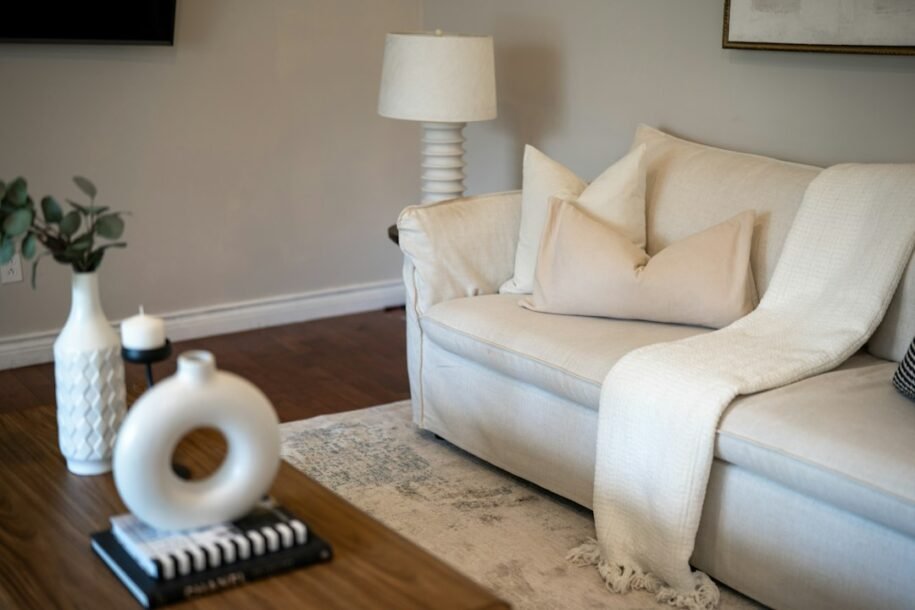
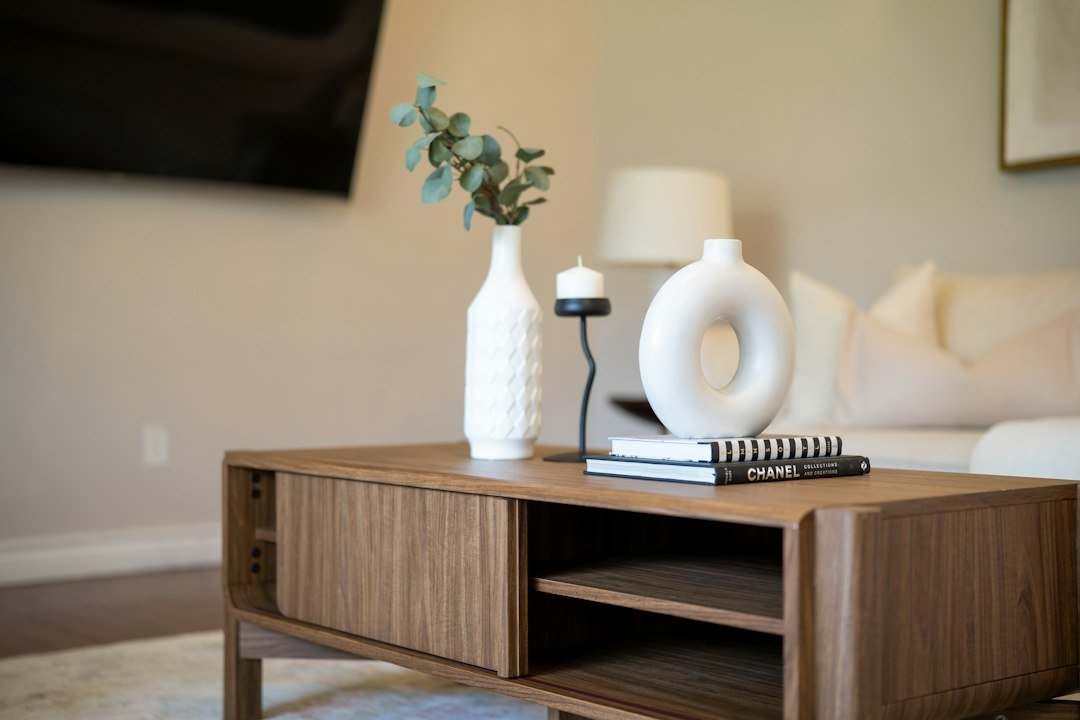
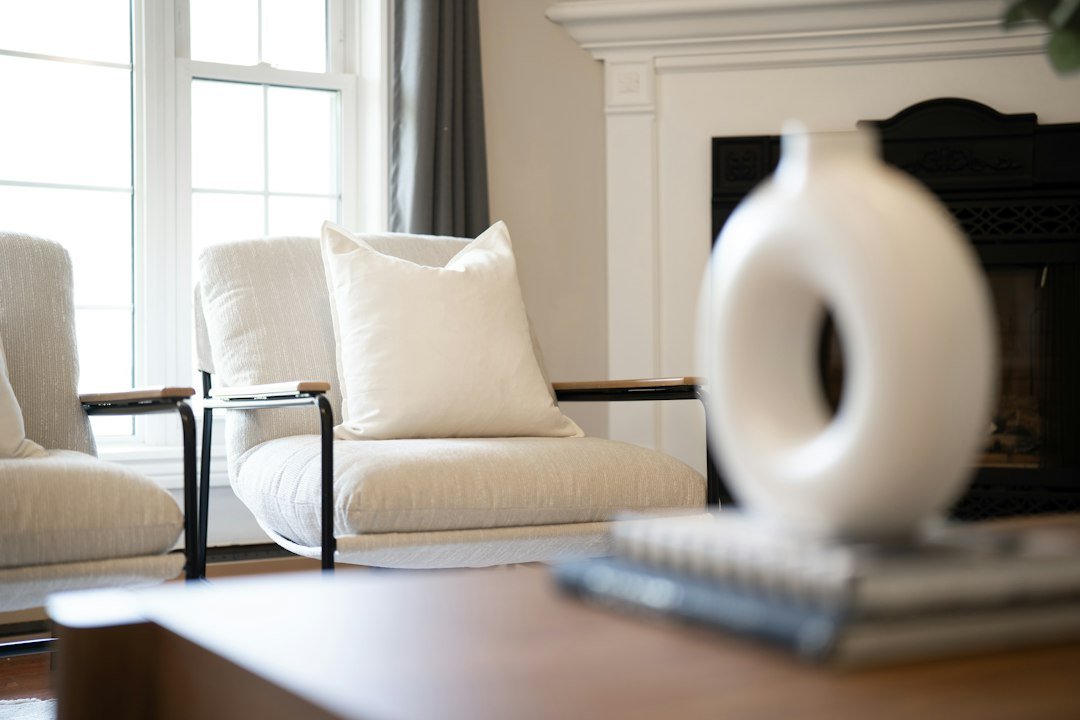
Good styling matters as much as where you shop. Repeat a small palette of colors, combine different textures, and leave enough open space for each object to stand out. For example, a simple ceramic vase, a stack of books, and a small bowl can look intentional when arranged at different heights on a coffee table.
Hang art at a comfortable viewing height and choose a frame that suits the room. On a sofa, a coordinated pair of pillow covers can make a stronger impact than a pile of unrelated cushions. A rug should be sized for the seating arrangement rather than chosen only because it is on sale; our living room rug size and placement guide can help you avoid a rug that looks too small.
Finally, edit the room after you bring anything home. Remove packaging, group similar objects, hide visual clutter, and move pieces around before buying more. If a purchase does not serve a purpose or add something meaningful to the room, return it or leave it out.
Frequently Asked Questions
Where can I find the cheapest home decor?
Thrift stores, dollar stores, local resale marketplaces, and Habitat ReStore locations can offer low-cost finds. IKEA, Walmart, Target, and discount home retailers are useful for affordable new basics. The cheapest option depends on the item, location, condition, and delivery cost.
What is the best store for affordable home decor?
There is no single best store for everything. IKEA is useful for coordinated basics, HomeGoods and similar discount retailers are good for changing decorative selections, and thrift stores can offer unique secondhand pieces. Compare the item you need rather than choosing one store for every purchase.
How can I decorate my home on a very small budget?
Shop your own home first, rearrange furniture, reuse frames and vases, and choose one focal area to refresh. Add secondhand pieces or low-cost accessories only where they make a visible difference. Paint, cleaning, decluttering, and better lighting can also change how a room feels.
Is thrifted home decor worth buying?
Yes, when you inspect the condition and choose items that fit your needs. Thrift stores can be especially good for frames, vases, baskets, solid wood furniture, and unusual accessories. Check for damage, odors, pests, and electrical issues before bringing items home.
How do I know if cheap decor is good quality?
Check materials, weight, construction, seams, finishes, stability, and dimensions. For online purchases, read detailed customer reviews and examine photos. For furniture and lighting, consider repair costs and safety rather than judging only by appearance.
Should I buy home decor online or in person?
Online shopping makes it easier to compare prices and styles, while in-person shopping lets you inspect color, texture, size, and condition. Use online shopping for products with clear specifications and reliable return policies; inspect secondhand furniture and fragile items in person whenever practical.
How can I make cheap home decor look cohesive?
Choose two or three main colors, repeat materials or finishes, vary object heights, and leave some empty space. Mix affordable new pieces with secondhand finds, and avoid buying a complete matching set if a few carefully selected items will do the job.
Shop With a Plan, Not Just a Price Tag
Knowing where to find cheap home decor gives you more ways to create a home that feels personal without overspending. Use thrift stores and resale marketplaces for character, discount retailers for changing accents, and established home stores for practical basics. Measure first, compare the full cost, and focus on pieces that work with what you already own. A thoughtful room is built over time—one useful, beautiful find at a time.


Share Your Thoughts