
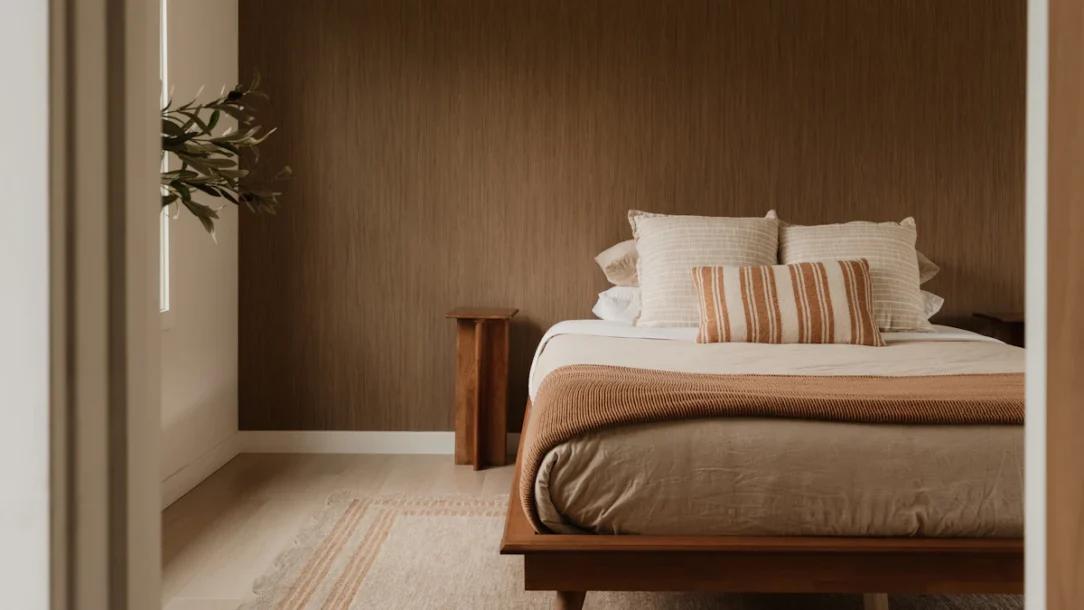
Cozy bedroom ideas do not have to rely on piles of pillows, string lights, or overly themed decor. The most calming bedrooms usually feel warm because of texture, lighting, natural materials, thoughtful color, and a sense that everything in the room has a purpose.
If you want a bedroom that feels grown-up as well as cozy, the goal is not to add more. It is to soften the room, reduce visual noise, and build warmth in layers that still feel intentional at 8 a.m. in daylight—not only at night with the lamps on.
Table of Contents
Start With Calm Before You Add Cozy Layers
Cozy rooms work best when the basic layout already feels settled. Before buying a throw or changing the paint, clear the surfaces, check the walking path around the bed, and make sure the largest furniture pieces are not fighting the room.
In a compact room, use the practical circulation principles in these small bedroom layout ideas. A calm route to the bed, closet, and door makes the room feel more restful than any decorative accessory.
Current 2026 bedroom design guidance is leaning in the same direction: natural materials, layered texture, softer lighting, and rooms that feel personal rather than over-styled. Architectural Digest’s 2026 bedroom guide emphasizes organic materials, layered lighting, and editing visual noise rather than filling every surface.
Choose a Warm, Quiet Color Palette
A bedroom does not need to be beige to feel calm, but the colors should relate to one another. Warm white, mushroom, camel, olive, tobacco brown, dusty rose, muted plum, deep green, and soft charcoal can all feel cozy when the undertones are consistent.
If the walls are cool gray and the furniture is warm walnut, bridge the two with textiles that contain both temperatures. If the room already has cream walls, introduce depth through brown, moss, terracotta, or burgundy instead of adding five unrelated accent colors.
The broader color principles in our guide to making a bedroom look expensive on a budget are useful here too: a limited palette usually feels more grown-up than many small color accents competing for attention.
Layer Bedding Without Overfilling the Bed
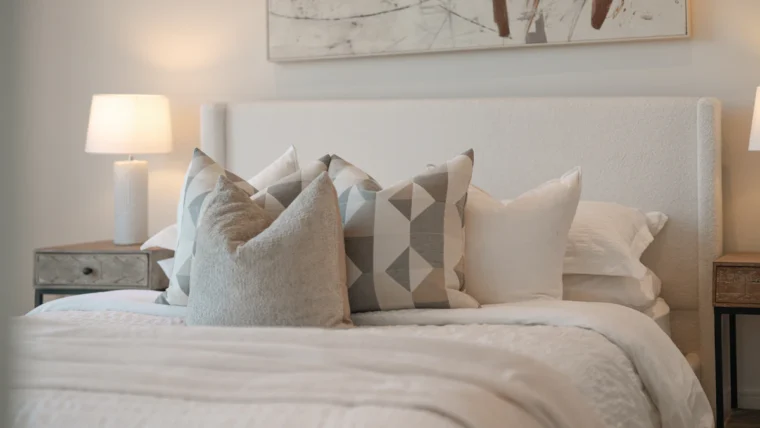
Layering creates warmth, but too many pillows and blankets can make the bed look like a display rather than a place to sleep. Start with good sheets, one duvet or coverlet, then add one textural layer such as a quilt, waffle blanket, wool throw, or linen coverlet.
Use texture to create depth when the colors are quiet. Linen, washed cotton, velvet, boucle, wool, and matelassé catch light differently, so even a tonal bed can look rich without relying on pattern.
House Beautiful’s 2026 bedroom trend coverage points to the same idea: texture is doing much of the visual work in current bedrooms, with layered bedding, upholstery, drapery, and deeper grounding tones creating comfort without visual clutter. See the 2026 bedroom trend overview.
Mix Natural Materials With Softer Textures
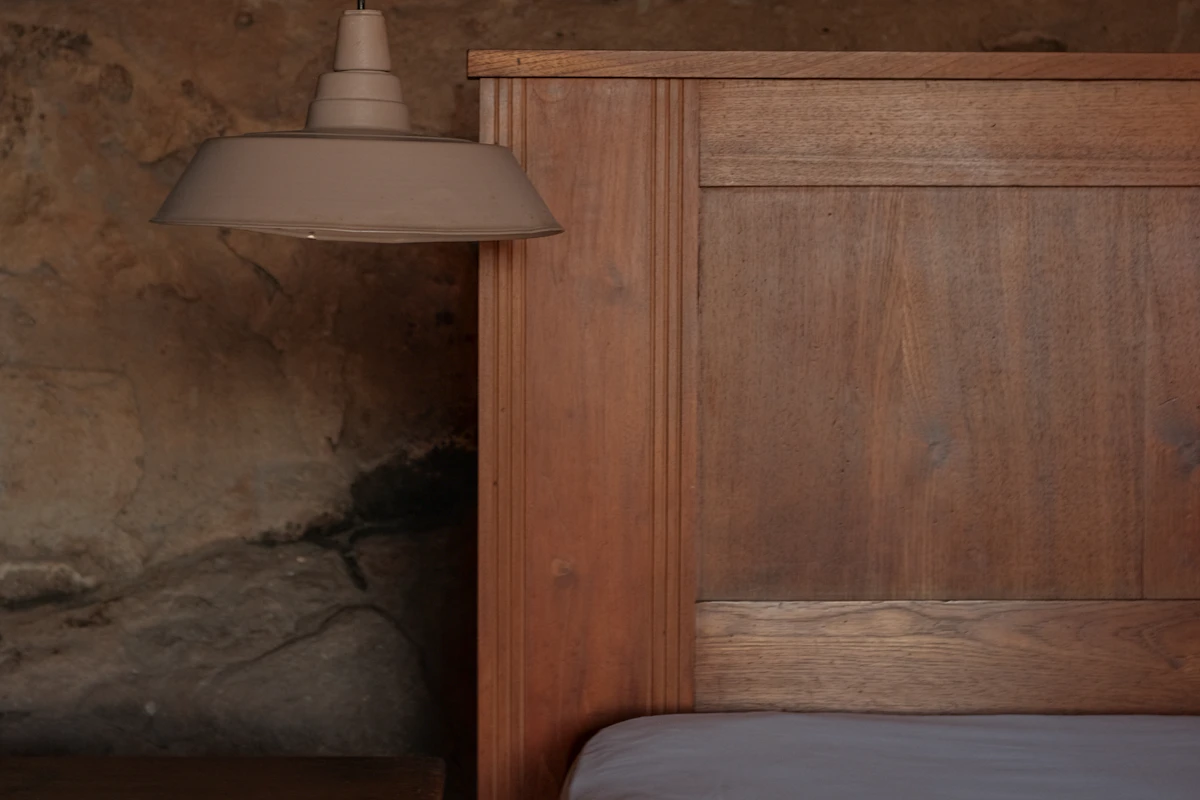
A grown-up cozy bedroom needs contrast. If everything is soft, the room can feel shapeless. Pair fabric with wood, stone, ceramic, aged metal, cane, woven fiber, or leather so the soft surfaces have something more structured to sit against.
A wood headboard with linen bedding, a ceramic lamp with a fabric shade, or a wool rug beside a simple oak nightstand creates warmth through material rather than decoration. This type of contrast tends to age better than trend-specific accessories.
Use Layered Lighting Instead of One Bright Ceiling Light
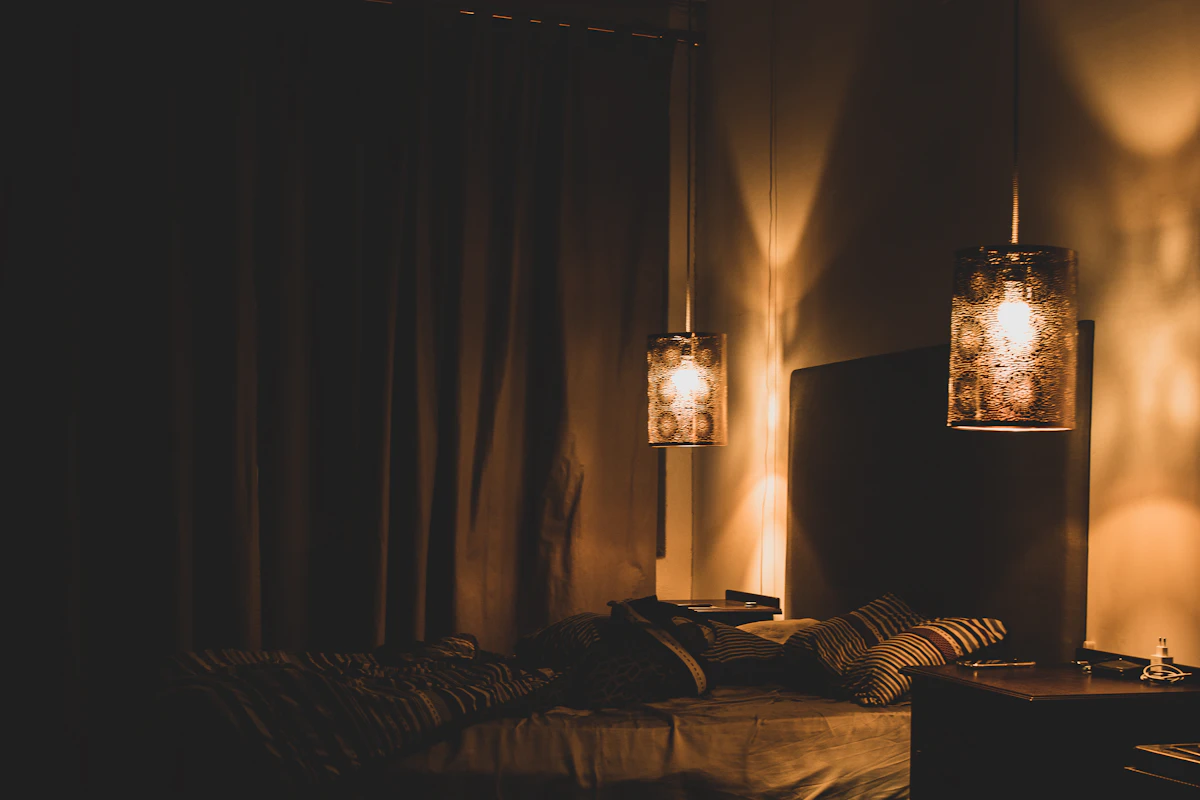
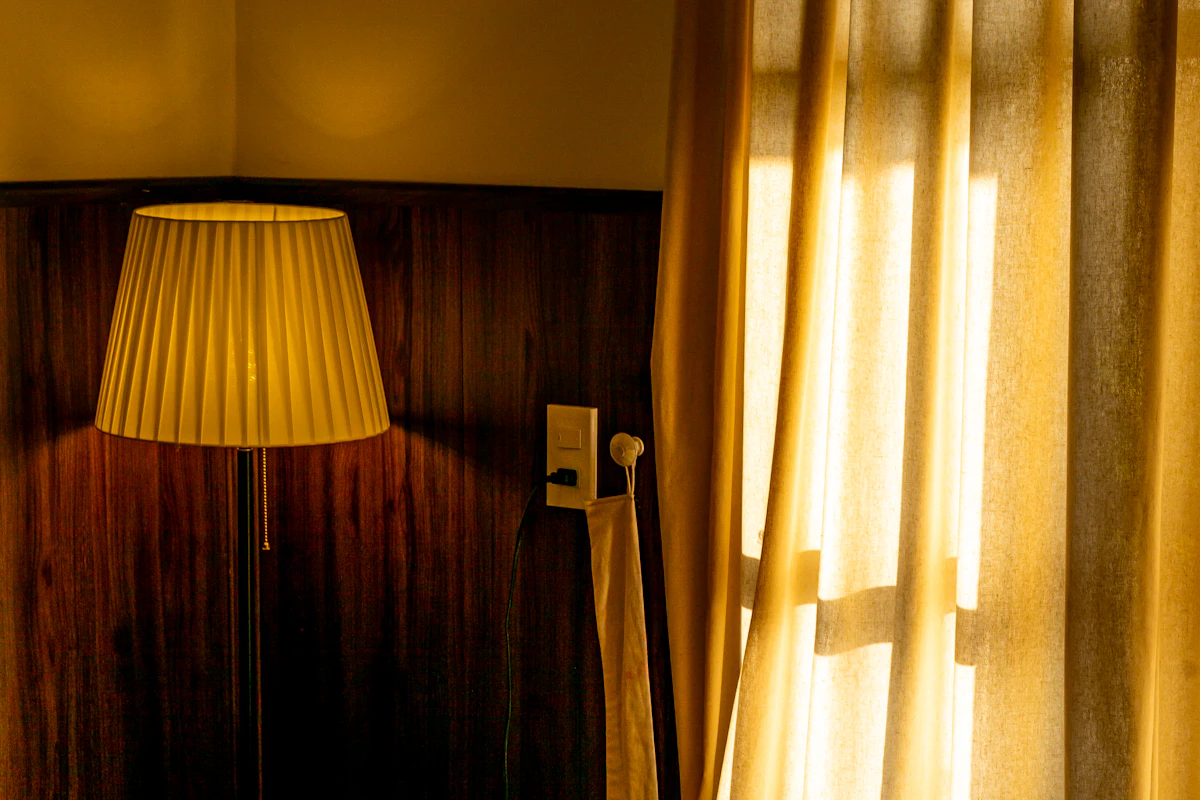
Lighting is one of the fastest ways to make a bedroom feel warmer. One bright overhead fixture can flatten the room, while two or three smaller light sources create depth and make the textures feel softer.
Use bedside lamps or sconces for reading, then add a floor lamp or low dresser lamp if the room is large enough. Fabric, paper, linen, or frosted shades diffuse the light more gently than bare bulbs.
Architectural Digest’s 2026 feature on the “analog bedroom” recommends smaller, warmer light sources rather than relying on one overhead light and notes that designers often favor warm, diffused illumination around 2700K for a softer evening atmosphere. Read the analog-bedroom lighting guidance.
If your bedroom lacks hardwired sconces, the plug-in and rechargeable options in our renter-friendly lighting guide can create the same layered effect without rewiring.
Treat Window Coverings as Part of the Cozy Feeling
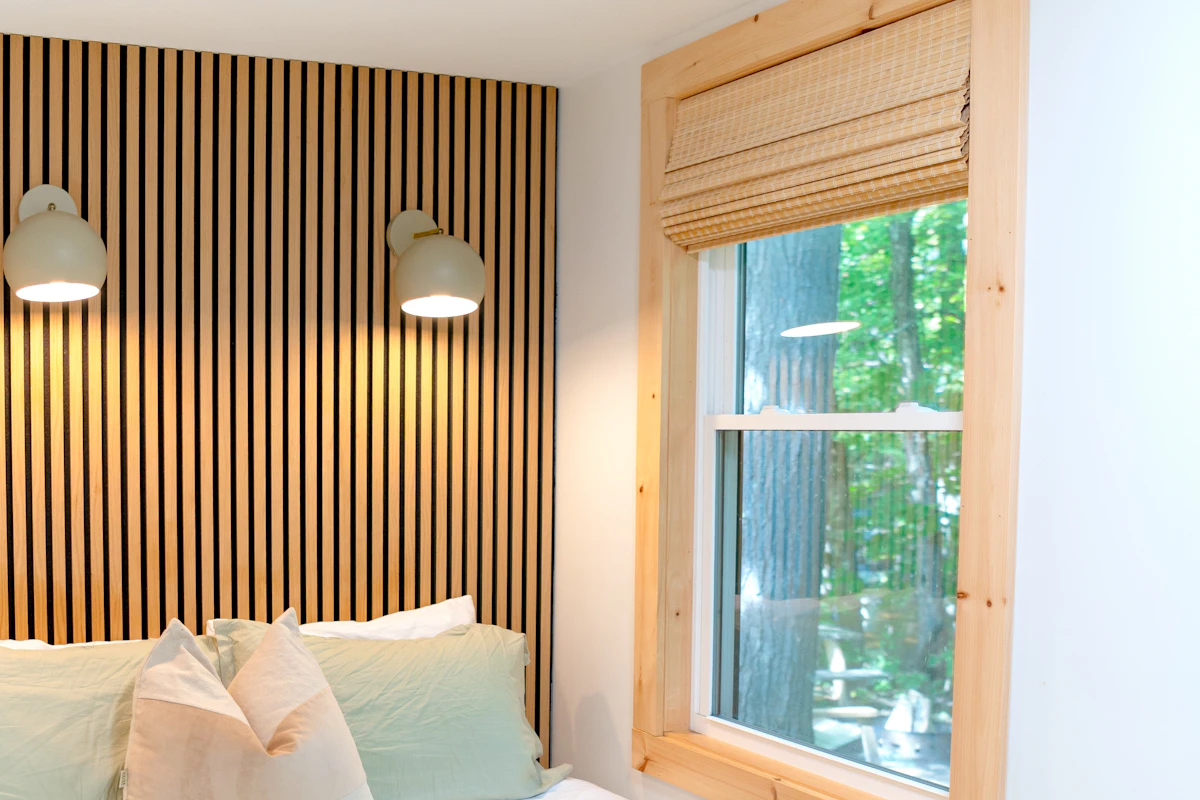
Windows have a large visual effect on a bedroom. Bare glass can make even a well-decorated room feel unfinished, while thick curtains alone can make a small room feel heavy. A layered treatment often gives you the best balance.
Use a practical privacy or blackout layer close to the glass, then add soft curtains or sheers for texture. Hanging curtains higher and wider than the window can make the room feel taller and allow more daylight when the panels are open.
Architectural Digest’s 2026 coverage of layered drapery notes that combining sheers, shades, and curtains can add depth without taking up extra floor space. See the layered-drapery guidance.
Add Warmth Underfoot With the Right Rug
A rug can make a bedroom feel quieter and visually softer even when the floor is already carpeted. The important part is scale. A tiny rug at the foot of the bed often looks accidental, while a larger rug that extends beyond the sides of the bed helps anchor the whole sleeping zone.
Choose a low or medium pile if you want easy cleaning and a calmer look. Wool, wool blends, flatweaves, and soft synthetic rugs can all work; texture and color matter more than chasing one specific material.
Let Wood and Aged Finishes Ground the Room
Warm wood tones help a bedroom feel established rather than overly new. Walnut, oak, medium brown stains, painted vintage pieces, and even one small aged wood object can prevent a neutral room from feeling sterile.
You do not need a matching furniture set. In fact, mixing a wood bed with painted nightstands or a vintage dresser can make the room feel more collected. Repeat one wood tone or metal finish in two or three places so the mix still feels intentional.
Keep Bedroom Wall Decor Personal but Quiet
Wall decor should support the bed rather than compete with it. One large artwork, a pair of prints, a simple mirror, or a tightly edited gallery wall is usually enough for the main wall.
Use our bedroom wall decor guide for detailed above-bed sizing, dresser-wall placement, mirrors, shelves, and gallery-wall proportions.
Use art that feels personal rather than art that simply matches the bedding. Landscapes, photography, vintage prints, abstract work, family photographs, and meaningful objects can make a bedroom feel more lived in without turning it into a display wall.
Create a Screen-Light Boundary at Night
A calm bedroom is easier to maintain when the room does not look like a charging station. If possible, keep phones, chargers, watches, and tablets inside a drawer, basket, or bedside charging box instead of leaving every cable visible.
This is less about following a trend and more about visual quiet. The fewer glowing screens and loose cords you see from the bed, the more the room can read as a resting space rather than another work zone.
Hide Visual Clutter Before Buying More Decor
If a bedroom still feels unsettled after you add warm color and lighting, the issue may be storage rather than decor. Open clothing piles, crowded nightstands, exposed cords, and overflowing vanity products can cancel out the calmest palette.
Use closed drawers, under-bed storage, lidded baskets, and trays for daily items. If the room lacks a closet, the strategies in our bedroom without closet storage guide can help you reduce visible clutter without adding bulky furniture.
Make a Small Bedroom Cozy Without Making It Feel Smaller
Small bedrooms benefit from the same cozy ingredients, but they need stronger editing. Use one main textile story, one warm light source per side of the bed, and one or two decorative focal points instead of spreading small objects across every wall and surface.
Choose a rug large enough to relate to the bed, but avoid thick layers that interfere with doors. Keep window treatments soft but not bulky. Use a taller headboard or one large artwork to create presence without using extra floor space.
Use Scent, Books and Personal Objects in Small Doses
A grown-up cozy room should still feel personal. Keep a small stack of books you actually read, one framed photograph, a ceramic dish, a favorite object from travel, or a vase with seasonal branches.
Scent can also help establish mood, but keep it subtle. Linen sprays, diffusers, or lightly scented candles can work if they suit your preferences and are used safely. If you use a real candle, never leave it burning unattended or close to bedding, curtains, books, or other combustible materials.
Common Cozy Bedroom Mistakes
Adding too many pillows. If you have to move a large pile every night, the styling is creating work instead of comfort.
Relying on one overhead light. Smaller lamps and sconces create depth and make the room feel warmer.
Making every surface decorative. Leave breathing room on nightstands, dressers, and walls so the room can visually settle.
Using only beige without texture. A monochromatic palette still needs wood, woven fibers, fabric variation, or darker accents to avoid looking flat.
Choosing matching furniture for everything. A few related but not identical pieces usually create more warmth and character.
Ignoring storage. Cozy styling cannot compensate for constant visual clutter. Solve the storage problem first.
Frequently Asked Questions
How do I make my bedroom feel cozy without making it cluttered?
Use fewer, larger layers: one textured throw, a warm rug, softer lamps, simple curtains, and one or two meaningful decorative pieces. Keep nightstands and dressers mostly clear and store small items out of sight.
What colors make a bedroom feel warm and cozy?
Warm whites, mushroom, taupe, camel, chocolate brown, olive, muted rust, dusty rose, burgundy, and deep green can all work. Choose colors with compatible undertones and repeat them through bedding, curtains, rugs, and small accents.
What lighting is best for a cozy bedroom?
Layered lighting works best. Use bedside lamps or sconces, then add a floor or dresser lamp if needed. Warm, diffused light generally feels softer than bright exposed bulbs or a single overhead fixture.
How many pillows should I put on a bed?
There is no fixed number, but a practical bed usually needs fewer decorative pillows than styled photos suggest. Use enough to create shape without making the nightly reset feel like work.
How can I make a small bedroom feel cozy but not cramped?
Use warm color and texture vertically through curtains, wall art, and the headboard instead of adding more floor furniture. Keep surfaces edited, choose a correctly scaled rug, and use layered lighting that does not take up much space.
What makes a bedroom feel grown-up instead of childish?
A limited color palette, better-scaled art, natural materials, layered lighting, fewer decorative objects, and furniture that looks collected rather than perfectly matched will usually make the room feel more refined and intentional.
A Cozy Bedroom Should Feel Easier, Not Fuller
The best cozy bedroom ideas make the room easier to live in. Warm color, natural materials, layered bedding, softer lighting, better curtains, a grounded rug, and a few personal objects can completely change the atmosphere without filling every surface.
Start with layout and clutter, then build warmth through texture and light. When the room feels calm in daylight and inviting at night, you have reached the balance: cozy enough to relax in, but edited enough to still feel grown-up.

Share Your Thoughts