
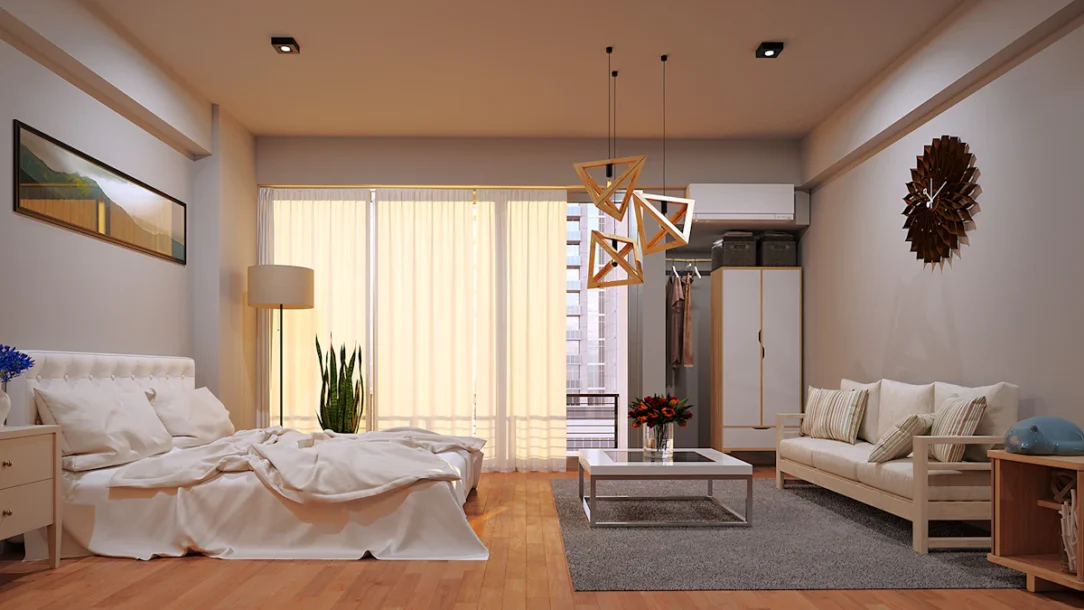
In a small home, the problem is rarely that you do not own enough furniture. More often, it is that one room has to do several jobs at once: the living room may also be a guest room, the dining table may double as a desk, and the bedroom may need to hold clothing without space for a full dresser. The best multifunctional furniture ideas solve those overlaps without making the room feel crowded or complicated to use.
The goal is not to buy a transforming gadget for every corner. A useful multifunctional piece should replace at least one other item, fit the room in both its closed and open positions, and remain comfortable enough for the job you use most. Before shopping, measure the room, identify your daily routines, and decide which function deserves permanent space and which one can appear only when needed.
Table of Contents
Start With Functions, Not Furniture
Write down what the room must do on an ordinary weekday before you think about products. A studio apartment might need comfortable seating, a place to eat, laptop space, hidden storage, and an occasional guest bed. A small one-bedroom home may need fewer transformations but more closed storage. That difference matters.
Give permanent space to the function you use most. If you work from home five days a week but host overnight guests twice a year, prioritize a desk-height work surface and choose a guest-sleeping solution that stores away. If you host family every weekend, a genuinely comfortable sleeper sofa may deserve more floor area than a tiny loveseat.
This same function-first approach helps with layout. Our guide to apartment living room ideas shows how zoning, lighting, and furniture scale can make one compact room feel organized without filling every wall.
Quick Guide: Best Multifunctional Furniture Ideas by Need
| Need | Strong Option | Check Before Buying |
|---|---|---|
| Occasional guest bed | Sleeper sofa or daybed | Open-bed depth and mattress comfort |
| Work + casual meals | Lift-top coffee table | Raised height, knee room, hinge quality |
| Hidden everyday storage | Storage ottoman or bench | Interior dimensions and lid clearance |
| Dining in a narrow room | Drop-leaf or extendable table | Expanded footprint and chair storage |
| Bedroom storage | Drawer or lift-up storage bed | Drawer pull-out clearance |
| True room conversion | Wall bed | Installation, wall structure, open-bed clearance |
1. Sleeper Sofas That Earn Their Footprint
A sleeper sofa makes sense when the living room must become a guest room without storing a separate mattress. The important measurement is not only sofa width. Measure from the wall behind the sofa to the far edge of the opened bed, then add enough room to walk past it or reach the bathroom at night. In a narrow room, a compact full-size sleeper may work better than a deep sectional even when both technically fit while closed.
For daily seating, pay attention to seat depth, back support, and arm thickness. Bulky rolled arms can consume several inches on each side without adding usable seating. A straighter silhouette, raised legs, and medium-depth seat often looks lighter in a compact room. If the bed mechanism is only for occasional guests, prioritize a sofa you enjoy sitting on every day rather than choosing solely by mattress size.
If your living room feels tight before any new purchase, review how to decorate a small living room so it stays functional before assuming convertible furniture will solve a layout problem.
2. Lift-Top Coffee Tables for Work and Dining
A lift-top coffee table is one of the most useful multifunctional furniture ideas for a living room that also handles laptop work, takeout dinners, or craft projects. Closed, it behaves like a regular coffee table. Raised, the surface comes closer to desk or dining height so you are not leaning over your knees.
Look beyond the transformation mechanism. The raised top should feel stable when you type, and there should be enough knee clearance for the way you sit. Check whether the top lifts toward the sofa or simply upward; a forward-moving mechanism may reduce the distance you need between the sofa and table, but it can also block a narrow passage when open.
Hidden storage is useful for chargers, remotes, notebooks, and coasters, but deep compartments become clutter traps if the lid must be raised every time you need something. Use the concealed area for items you access once or twice a day, not for essentials you reach for every few minutes.
3. Storage Ottomans and Benches
A storage ottoman can act as a footrest, occasional seat, soft-edged coffee table, and concealed storage in a single footprint. It is especially useful in homes where toys, blankets, exercise gear, or pet supplies need to disappear quickly. Add a firm tray when you need a stable surface for drinks.
Choose the shape according to traffic. A round ottoman is forgiving in tight pathways because there are no corners to clip with your hip. A rectangular bench can slide under a window, sit at the foot of a bed, or tuck beside an entry wall. For a bench you plan to sit on regularly, check the actual seat height and cushion firmness rather than treating storage capacity as the only feature.
4. Extendable and Drop-Leaf Dining Tables
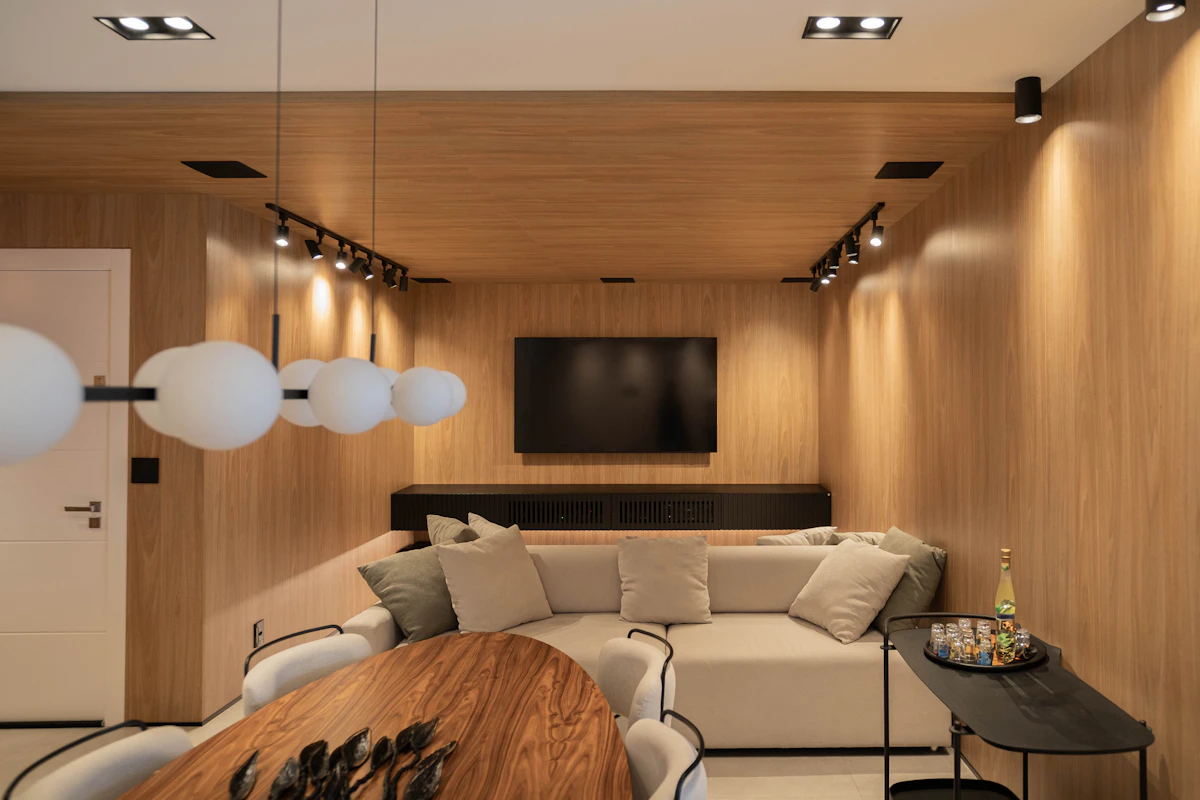
A dining table that grows only when guests arrive is often more practical than living with a six-seat footprint every day. Drop-leaf tables are particularly useful against a wall because one leaf can stay down while the other creates a two-person dining or work surface. Extendable tables are better when you want a conventional shape most of the time and need extra length occasionally.
Measure the table in its largest configuration, then account for chairs. As a practical planning target, allow roughly 30 to 36 inches of clear space where people need to pull out a dining chair and pass behind it; tighter rooms may require compromises, but measuring the real chair depth prevents surprises. If the table expands but there is nowhere to move the sofa or store extra chairs, the additional seats exist only on paper.
Benches can help because they tuck fully under some tables, but they are less convenient for someone seated in the middle. Slim armless chairs or a mix of two everyday chairs plus folding guest chairs often creates more flexibility.
5. Storage Beds That Replace a Dresser
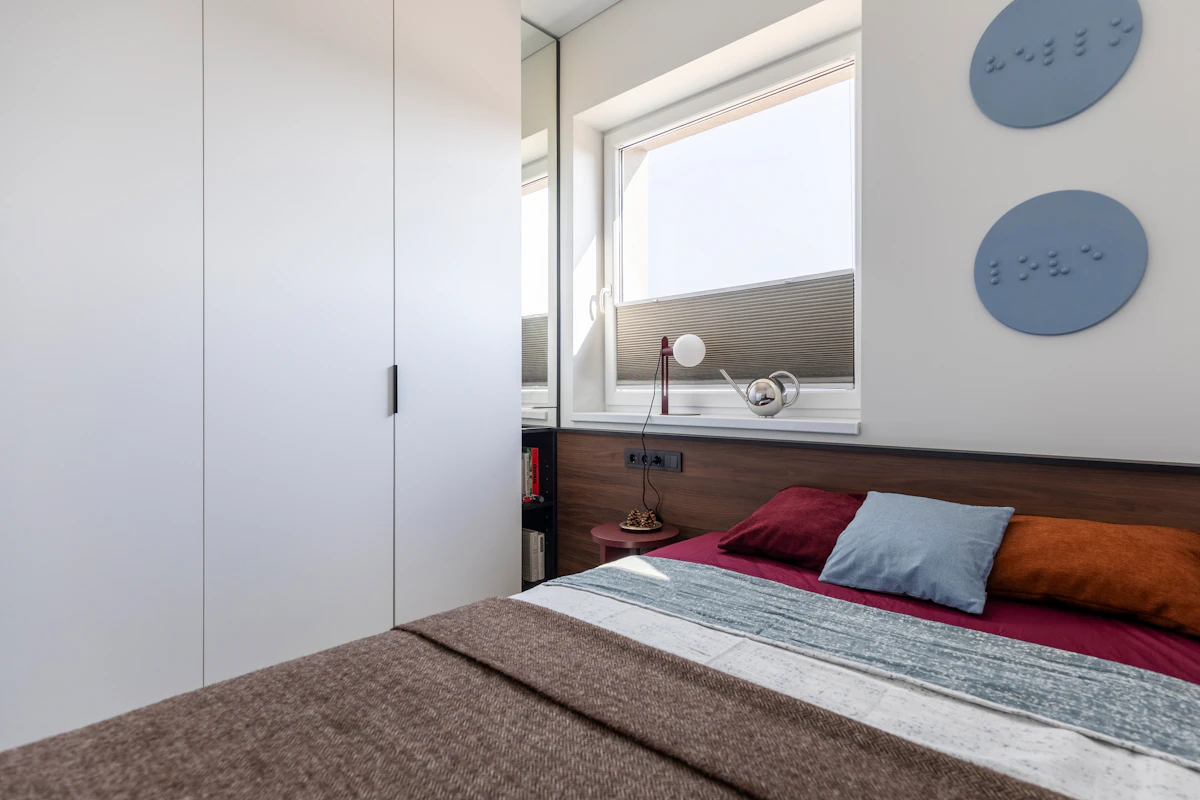
A bed already occupies the largest rectangle in most small bedrooms, so storage beneath it uses space you are paying for anyway. Drawer beds are easy to access but need open floor area beside the bed. A drawer that is 24 inches deep is not useful if it opens directly into a wall or nightstand. Lift-up platforms avoid that side-clearance problem and are better for bulky bedding or seasonal clothing you do not need every morning.
Do not automatically choose the tallest storage bed. A very high platform can dominate a low-ceiling room and may be uncomfortable to get into. Compare mattress thickness, frame height, and the finished sitting height together. If eliminating a dresser frees an entire wall or improves the route to the closet, the storage bed is doing meaningful work.
For more layout planning around the bed, closet, and nightstands, see our small bedroom layout guide.
6. Wall Beds for Rooms That Truly Need to Transform
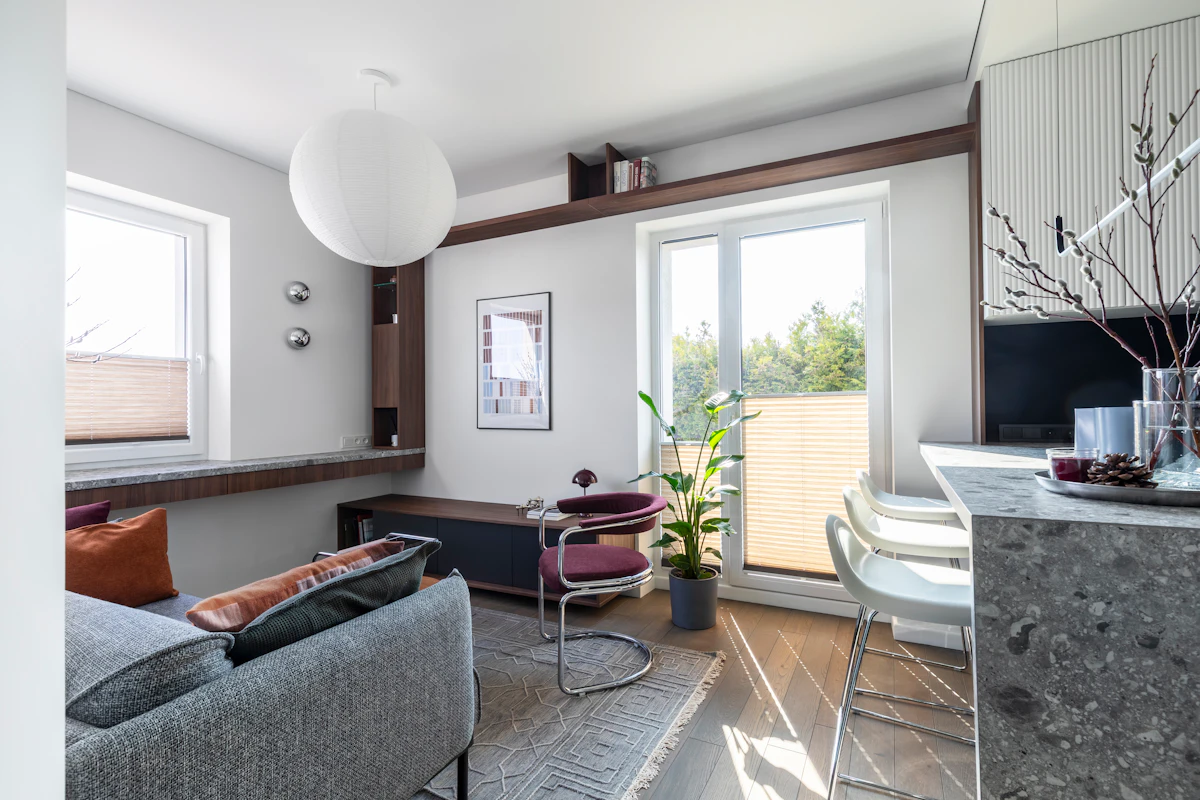
A wall bed can turn a dedicated sleeping footprint into a daytime office, exercise area, play zone, or open living space. That makes it powerful in a studio or true multipurpose room, but it is more installation-intensive than a sleeper sofa. Treat it as built-in furniture even when the cabinet itself is freestanding: the unit must be installed and secured exactly as the manufacturer specifies.
Before buying, tape the cabinet width on the wall and the full mattress footprint on the floor. Check ceiling height, baseboards, outlets, vents, ceiling fans, light fixtures, and door swings. Also decide what happens to the desk chair, coffee table, or rug when the bed comes down. A wall bed is successful when the transformation takes a minute, not when the room requires a furniture-moving ritual every night.
7. Nesting Tables and C-Tables
Nesting tables are a low-tech solution that often works better than a complicated mechanism. Keep one compact table beside the sofa and pull out the second when guests need another drink surface. C-tables slide partly under many sofas, putting a laptop or snack close to the seat without taking the footprint of a conventional side table.
They are most useful when they genuinely nest. Check the combined footprint and the height relationship between pieces. Two small tables that cannot stack or tuck together are simply two tables. A cohesive finish—warm oak, walnut, blackened metal, or painted wood—helps the extra pieces read as one intentional set.
8. Modular Shelving That Can Divide a Room
Open shelving can store books and baskets while visually separating a sleeping zone, desk, or dining area in an open-plan apartment. Unlike a solid partition, an open unit can allow light to pass through and preserve a sense of depth. The best version combines open shelves for visual breathing room with a few closed bins or cabinets for less attractive everyday items.
Do not place a tall shelving unit in the center of a room merely because it looks good in a floor plan. Think about stability, access from both sides, outlet locations, and whether the unit narrows the main walkway. In a rental, confirm what anchoring is permitted before choosing a tall piece that requires wall attachment.
Measure Before You Buy
Multifunctional furniture has two sets of dimensions: storage dimensions and working dimensions. You need both. Measure the sofa closed and the bed open; the table compact and extended; the bed frame plus fully pulled drawers; the ottoman plus the arc of its lid. Then mark those dimensions on the floor with painter’s tape.
Also measure the route into the home. A piece that fits the room may not fit the elevator, stair turn, hallway, or apartment door. Record doorway width and height, narrow corridor points, and any tight landings. For assembled furniture, diagonal depth can matter as much as width.
Protect the main walking route first. You do not need identical clearance around every object, but doors should open fully, drawers should extend without collisions, and people should be able to move from the entry to the main seating, kitchen, bedroom, and bathroom without weaving around furniture.
Choose Materials and Finishes That Keep the Room Calm
When furniture performs several jobs, it is often visually prominent. Keep the material palette disciplined so the room does not feel busy. Natural oak with cream upholstery feels light and warm; walnut with muted blue or olive adds depth without becoming heavy; charcoal metal paired with warm wood can give a small apartment a sharper modern edge.
Repeat two or three finishes rather than introducing a different wood tone for every convertible piece. If you are unsure whether a warm or cool finish will sit comfortably with your flooring and paint, our guide to warm and cool neutrals can help you read undertones before you buy.
Fabric matters too. A sleeper sofa or storage bench used every day benefits from a durable, tightly woven upholstery that is easy to vacuum. Glass can reduce visual weight but shows fingerprints and may be less practical in a high-traffic family room. Very glossy surfaces bounce light, but they also make inexpensive mechanisms and seams more noticeable.
Common Multifunctional Furniture Mistakes
The biggest mistake is buying for the secondary function and tolerating a poor primary one. A sofa that becomes a bed is still a sofa most of the year. A coffee table that becomes a desk still needs to sit at a comfortable height when closed. If the everyday version annoys you, the extra feature will not make the purchase feel smart.
Another mistake is assuming hidden storage is automatically useful. Storage is valuable only when its opening mechanism is easy and the compartment matches what you need to store. A deep lift-up bed is excellent for spare bedding but frustrating for socks you need every morning. A shallow ottoman is convenient for throws but may not hold bulky toys.
Finally, avoid filling every room with moving parts. One or two hardworking pieces usually create more calm than a room where every surface folds, lifts, rolls, or converts. Simple furniture can be multifunctional too: a sturdy bench can be seating, a bedside surface, and an entry perch without a single hinge.
Safety and Installation Matter More in Small Rooms
Convertible furniture should move smoothly without pinching fingers, catching rugs, or blocking an exit. Follow the manufacturer’s assembly and anchoring instructions, especially for wall beds, tall shelving, cabinets, and clothing storage furniture. Do not improvise wall-bed mounting hardware or assume a tall unit is stable simply because it feels heavy.
The U.S. Consumer Product Safety Commission recommends anchoring furniture and televisions to help prevent tip-over injuries, particularly in homes where children live or visit. Its Anchor It! guidance explains why top-heavy furniture should be secured and why heavier objects belong on lower shelves.
For dressers and other clothing storage units, CPSC also provides current clothing storage unit safety guidance tied to federal stability requirements. Even when a product meets applicable standards, correct assembly, placement, and anchoring remain important.
Frequently Asked Questions
What multifunctional furniture is most useful in a small apartment?
Start with the piece that solves your biggest overlap. A sleeper sofa helps when the living room must host overnight guests; a storage bed helps when clothing storage is the problem; an extendable table is better when dining space is the main constraint.
Is multifunctional furniture worth the extra cost?
It can be when one well-made piece genuinely replaces two items or prevents you from sacrificing an important function. Compare the cost with the furniture it replaces, and judge the primary everyday function first.
What should I measure before buying convertible furniture?
Measure the piece closed and fully open, then check door swings, drawer clearance, walking paths, outlets, vents, and the delivery route through doors, halls, stairs, or elevators.
Are wall beds good for studio apartments?
They can be excellent when folding the bed away creates useful daytime floor area. They are less worthwhile when other furniture must be moved every day before the bed can open or when proper installation is difficult.
How do I make multifunctional furniture look less bulky?
Choose visually lighter legs, slimmer arms, a limited material palette, and finishes that relate to the floor or existing furniture. Leave some wall and floor area visible instead of filling every gap with storage.
What is the best multifunctional furniture for renters?
Freestanding sleeper sofas, storage ottomans, nesting tables, drop-leaf tables, and storage beds are generally easier to move than built-ins. For tall shelving or wall beds, confirm anchoring requirements and landlord rules before purchase.
Make Every Piece Work Harder, Not the Room
The most successful multifunctional furniture ideas are not the ones with the most features. They are the pieces that remove friction from daily life. A storage bed should make the bedroom easier to move through, an extendable table should give back floor space between meals, and a sleeper sofa should let the living room stay comfortable when no one is sleeping there.
Start with one pressure point, measure both the everyday and transformed footprint, and choose a piece whose materials fit the rest of the room. When each item has a clear job—and a second job that is genuinely useful—a small home can feel flexible without looking temporary or overfilled.

Share Your Thoughts