
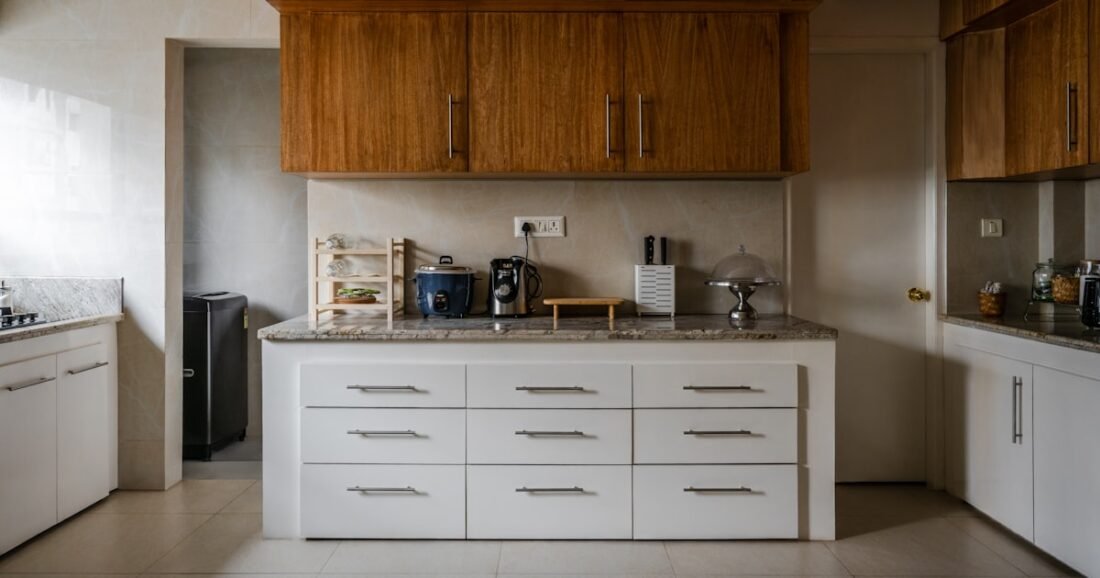
A small kitchen becomes frustrating when useful items have no obvious home. Counters fill up, cabinet shelves become stacked too deeply, and the tools you use every day get mixed with appliances or serving pieces you reach for only a few times a year. The answer is not simply buying more organizers.
The most effective small kitchen organization starts by reducing what the room has to store, creating zones around real tasks, and using organizers only where they solve a measured problem. The result should make cooking, cleanup, and the end-of-day reset easier—not create a system that looks perfect for a week and becomes another chore to maintain.
Table of Contents
Edit One Cabinet at a Time
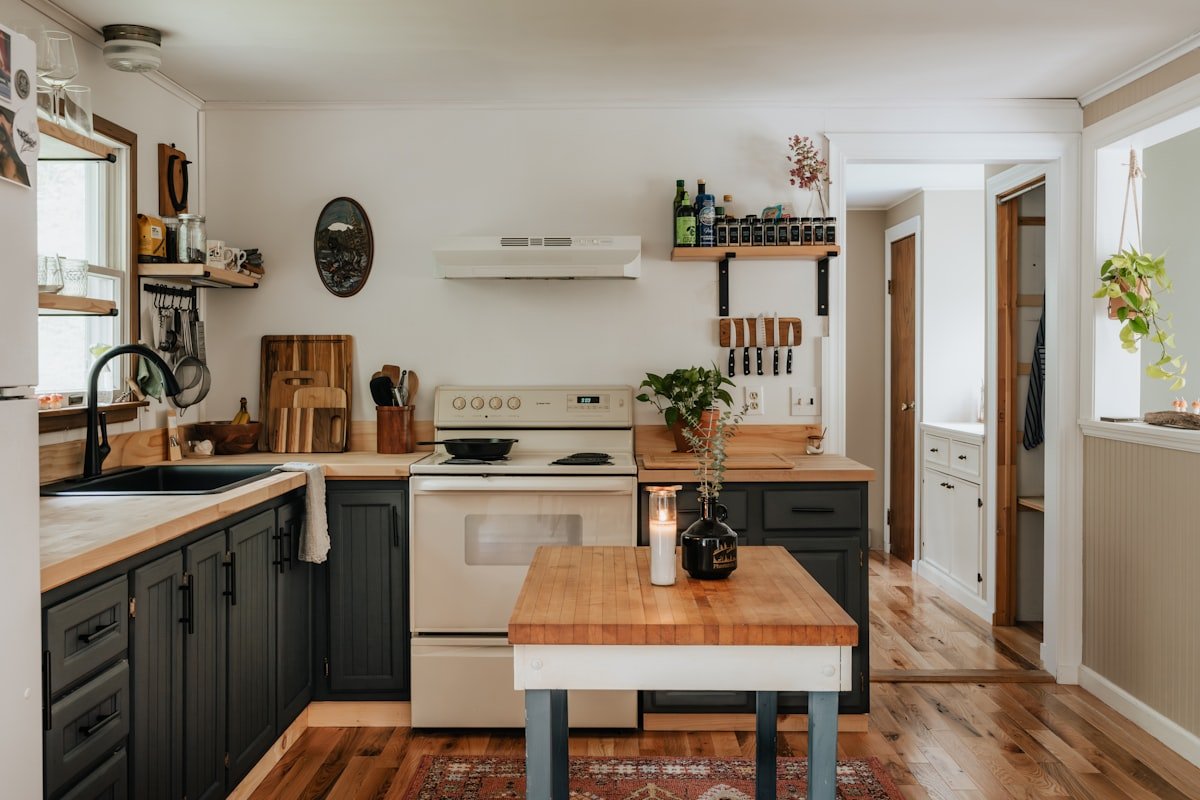
Organization works best when the amount of storage roughly matches the number of items being stored. Before buying bins or shelf risers, empty one cabinet or drawer at a time and sort the contents by frequency: daily, weekly, occasional, and rarely used.
Daily-use plates, glasses, cookware, utensils, and prep tools deserve the easiest locations. Holiday serving pieces, specialty pans, and backup appliances can move higher or farther away. Duplicates that do not serve a purpose should not occupy premium cabinet space simply because they still work.
Do the edit gradually. Emptying the entire kitchen at once can turn a useful project into a room-wide mess. One drawer, one shelf, or one cabinet per session is enough to build momentum.
Create Zones Around Real Kitchen Tasks
The easiest kitchens to maintain are organized by activity rather than by object type alone. Store each tool close to the task it supports so cooking requires fewer cross-kitchen trips.
Cooking zone
Keep frequently used pots, pans, cooking utensils, oil, and basic seasonings near the range when the layout allows. Avoid storing heat-sensitive items in cabinets that become warm above an appliance.
Prep zone
Place cutting boards, knives, mixing bowls, peelers, and measuring tools near the clearest section of counter. When prep tools live together, a small kitchen feels less hectic because you are not crossing the room for every step.
Cleanup zone
Dish towels, dishwasher supplies, trash bags, and everyday dishes work best near the sink or dishwasher. The goal is to make cleanup and unloading possible with as few steps as practical.
Breakfast or beverage zone
If coffee, tea, cereal, or breakfast is part of the daily routine, group mugs, ingredients, spoons, and small appliances in one area. This keeps a simple morning task from spreading across the entire kitchen.
Protect Counter Space First
Counter space is usually the most valuable surface in a small kitchen. A coffee maker used every morning may deserve a permanent place. A stand mixer used once a month may be better in a cabinet, pantry, or nearby storage area if it can be lifted safely.
Group the items that remain instead of spreading them across the entire worktop. One tray can hold oil, salt, and frequently used ingredients. A single utensil crock can replace several small containers. Two cutting boards leaned together take less visual space than a row of decorative boards.
If your goal is to make the room feel visually larger as well as more functional, see our small-kitchen decorating guide for lighting, color, backsplash, flooring, and visual-continuity ideas.
Use Cabinet Height More Efficiently
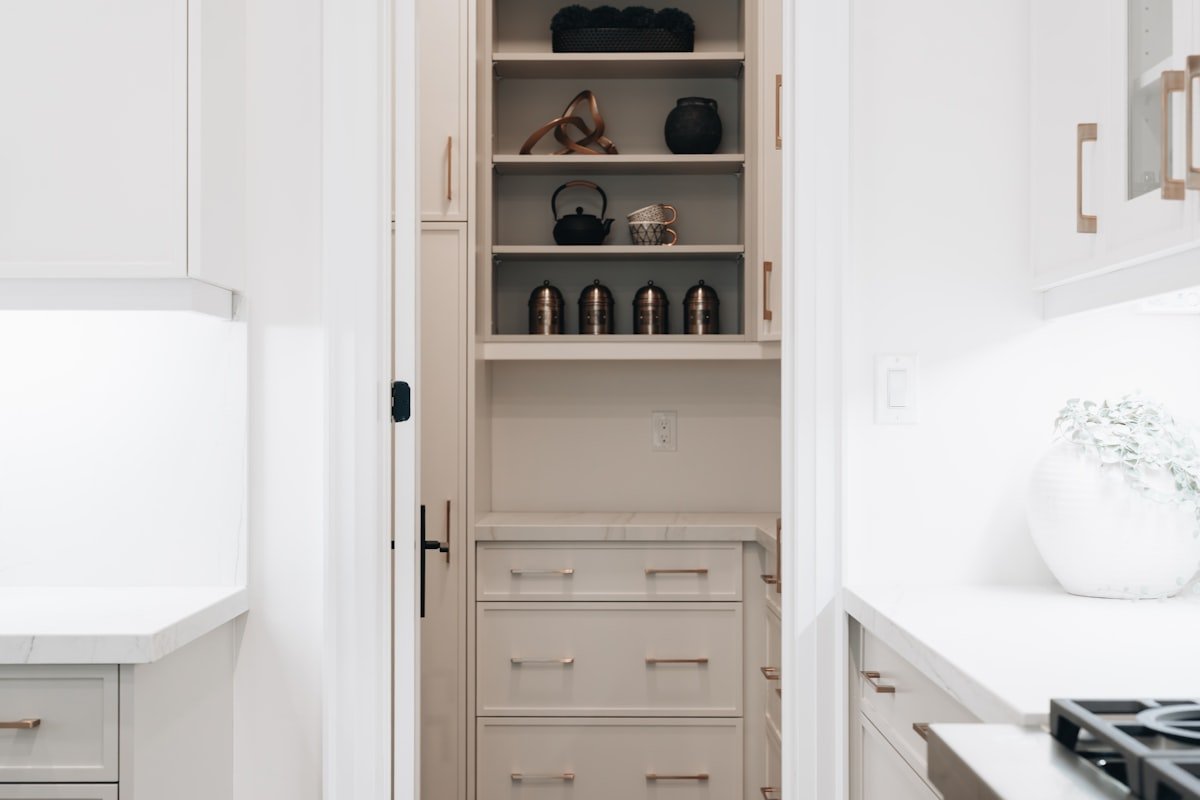
Cabinet interiors often waste vertical space because short items sit below a large empty gap. Measure the cabinet before buying anything, then choose the simplest insert that solves the problem.
- Shelf risers: useful for plates, bowls, mugs, cans, or pantry goods when the shelf is tall.
- Turntables: helpful in deep corners where jars and bottles disappear behind one another.
- Vertical dividers: useful for cutting boards, sheet pans, trays, and pot lids.
- Pull-out bins: useful in lower cabinets when the cabinet shape and hardware allow them to move freely.
- Stacking shelves: can separate baking dishes or smaller cookware without creating unstable piles.
A coordinated set of containers is not automatically better. A simple shelf riser that fits the exact cabinet can be more useful than a matching organizer system that wastes two inches around every edge.
Make Drawers Work by Frequency
Drawers do not need to look like a showroom. They need to make the correct tool easy to find. Keep the everyday utensil drawer close to the main prep area and use dividers only where categories repeatedly mix together.
Deep drawers are especially useful for cookware, food containers, or dishes because contents can be seen from above. If your containers live in a drawer, store lids vertically in one section so you can pull out the correct one without lifting a stack.
Simplify Food-Storage Containers
Food-storage containers can overwhelm a compact cabinet because mismatched shapes and missing lids consume space quickly. Keep complete sets you actually use, nest compatible containers, and store lids together rather than scattering them under bowls.
A smaller collection of reliable containers is easier to maintain than a cabinet full of miscellaneous pieces. If a container is damaged, badly stained, or missing its lid, do not keep it solely because it might be useful one day.
Make Deep Lower Cabinets Easier to Reach
Deep lower cabinets become clutter zones because objects disappear behind the first row. Instead of placing everything directly on the shelf, create smaller groups that can move as one unit.
A sturdy bin can hold baking supplies, a turntable can keep bottles visible, and a pull-out basket can improve access to lightweight pantry items. Store heavier cookware where it can be lifted comfortably and avoid unstable stacks that require you to remove three pieces to reach the one at the bottom.
For corner cabinets, accessibility matters more than filling every cubic inch. Leaving a little empty space is better than packing the cabinet so tightly that nothing can be removed without unloading the shelf.
Organize the Pantry for Visibility
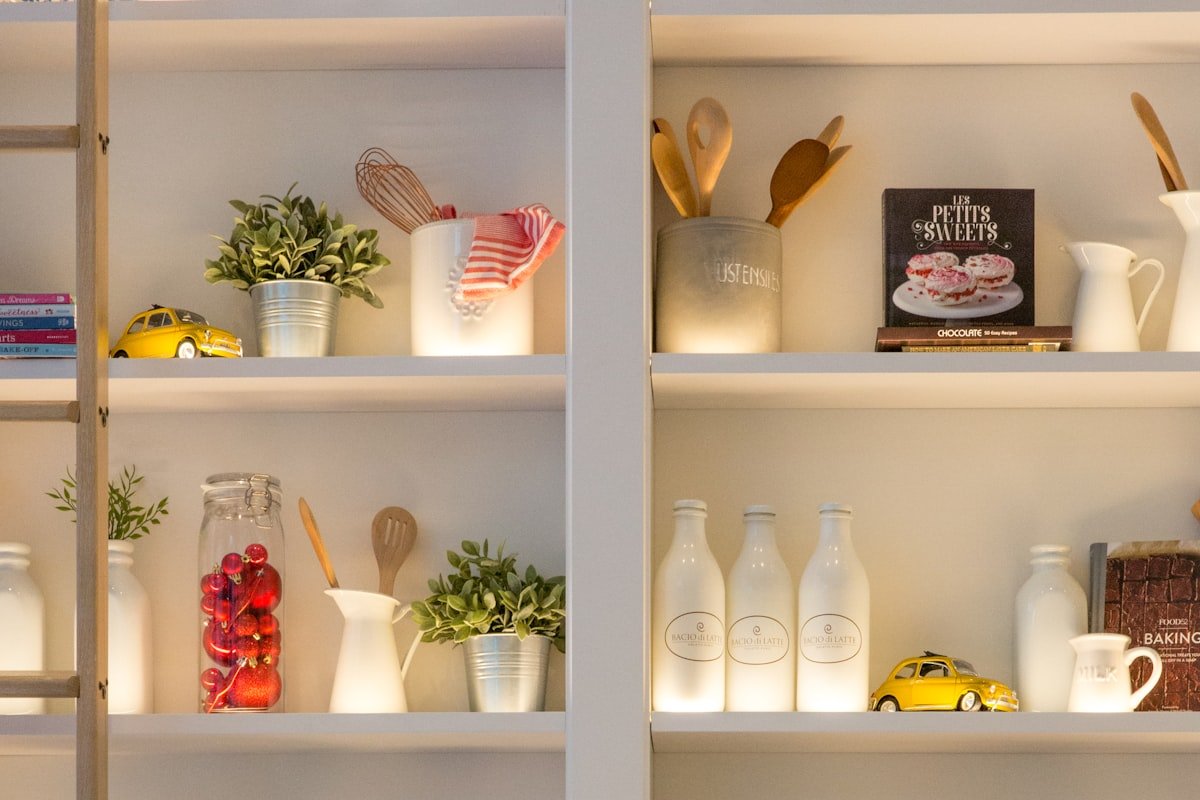
Whether your pantry is a closet, a cabinet, or two shelves, visibility matters more than matching containers. Group food by use—breakfast, baking, snacks, grains, canned foods, and cooking ingredients—and keep frequently used items around eye level.
Place older items toward the front so they are noticed first. U.S. food date labels can be confusing: the USDA explains that phrases such as “Best if Used By” generally refer to quality rather than a universal safety cutoff, with important exceptions such as infant formula. See the USDA’s food product dating guidance rather than treating every printed date the same way.
Decanting everything into identical jars is optional. Do it only when the containers improve visibility, protect the ingredient, or make measuring easier. Attractive storage that creates extra maintenance is not automatically good organization.
Use Open and Vertical Storage Selectively
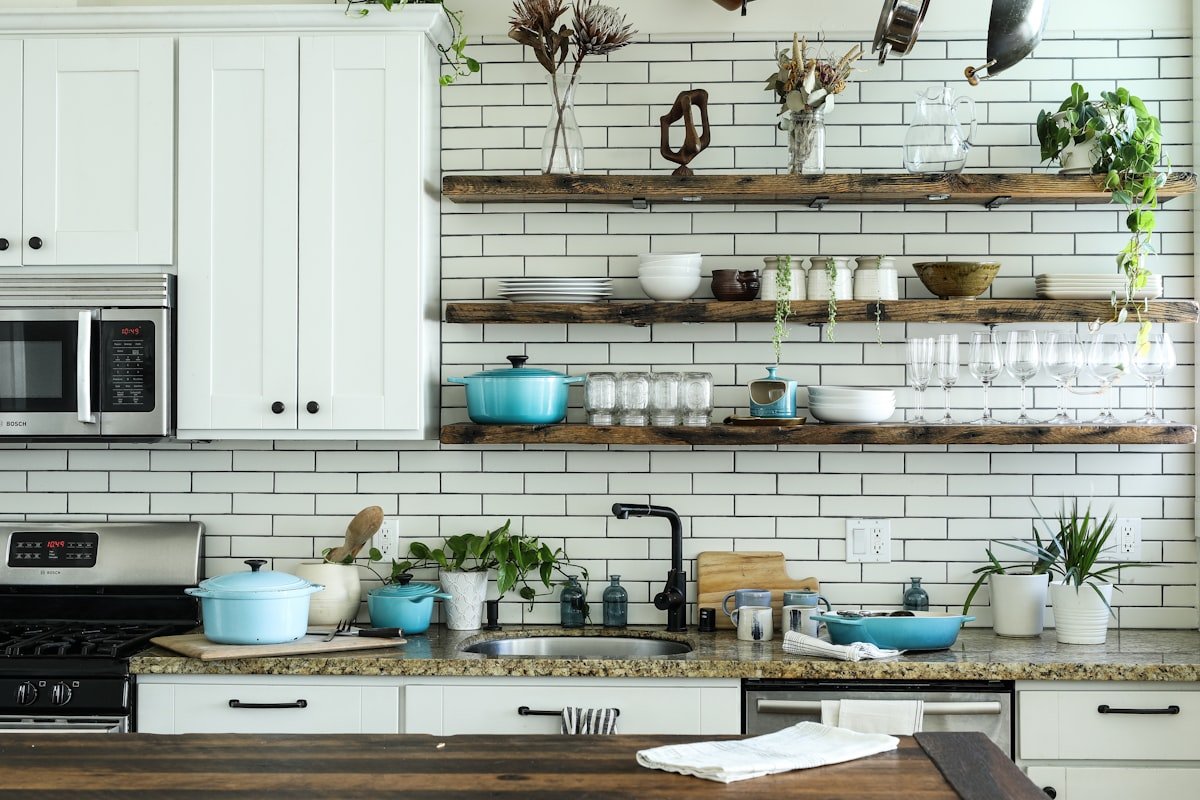
Open wall space can add useful storage, but every wall does not need another shelf. A narrow rail for frequently used utensils, one shelf for everyday dishes, or a small rack can free a cabinet while keeping the room visually calm.
Open storage works best for items that are attractive enough to see and used often enough to stay clean. Rarely used cookware, mixed plastic packaging, and miscellaneous supplies usually belong behind a door.
If the kitchen is open to the living or dining area, keep visible baskets, containers, and shelf finishes connected to the surrounding rooms. Our whole-home color palette guide can help you repeat colors and materials without making every space match.
If the cabinet exteriors and displays also feel visually heavy, our kitchen cabinet styling guide covers hardware, lighting, color, and edited open displays.
Keep Under-Sink Storage Safe and Simple
The cabinet under the sink has awkward pipes and possible moisture, so measure around the plumbing before choosing organizers. Use small bins or a low pull-out tray for suitable supplies and keep the most frequently used items near the front.
Do not store food in this area. Keep household chemicals in their original labeled containers and follow the product’s storage instructions. The U.S. EPA specifically advises keeping pesticides and similar household chemicals in their original containers and away from food, children, and pets. See the EPA’s safe storage guidance.
If the cabinet shows leaking pipes, swelling, mold, or persistent moisture, fix the underlying problem before adding more storage.
Build a One-Minute Reset Routine
The best organization system is one that can be restored quickly after dinner. Give the kitchen a short closing routine:
- Return cooking tools to their zone.
- Load or empty the dishwasher as needed.
- Wipe the main work surface.
- Return stray pantry items to their shelf.
- Move paperwork, chargers, and non-kitchen items somewhere else.
- Leave at least one clear section of counter ready for the next meal.
If the reset consistently takes much longer, the system may be too complicated or the kitchen may still contain more than its storage can comfortably hold.
Small Kitchen Organization Mistakes
| Mistake | Better approach |
|---|---|
| Buying organizers before measuring | Measure each shelf and drawer, then solve a specific problem. |
| Keeping every appliance on the counter | Reserve counter space for frequently used appliances. |
| Organizing by category but ignoring workflow | Keep tools close to the task they support. |
| Using too many tiny bins | Create a few clear zones that are easy to reset. |
| Filling every empty inch | Leave enough space to remove and return items easily. |
| Letting open shelves carry overflow | Use open storage selectively and keep visual clutter behind doors. |
| Keeping mismatched containers without lids | Keep complete sets that stack or nest predictably. |
Frequently Asked Questions
How do I organize a very small kitchen with few cabinets?
Reduce what is stored in the kitchen first, then reserve the easiest cabinet space for daily-use items. Use selected vertical storage, cabinet-door storage, shelf risers, and multifunctional furniture only where they solve a real shortage.
What should stay on a small kitchen counter?
Keep appliances and tools you use frequently, then group smaller items in one tray or container. Preserve at least one clear section for food preparation.
Are clear pantry containers necessary?
No. Original packaging can work well. Clear containers are useful when they improve visibility, protect an ingredient, or keep small packets from scattering, but they are not required for an effective system.
How can renters add kitchen storage without permanent changes?
Shelf risers, drawer dividers, removable bins, freestanding carts, tension-based products approved for the location, and suitable adhesive hooks can add storage without major alterations. Follow the lease and product instructions.
How often should I reorganize kitchen cabinets?
A full reorganization should not be needed often if the system works. Review high-use drawers and pantry shelves when they become difficult to reset, and do a deeper edit when your cooking habits or household needs change.
What is the best first step for a cluttered small kitchen?
Clear one counter section and edit one high-use cabinet. Moving daily tools closer to where they are used usually improves the room faster than buying a large set of organizers.
A Useful Kitchen Is Easier to Keep Organized
Small kitchen organization works when it reduces the number of steps between using something and putting it away. Clear the counters, organize by task, make deep cabinets easier to access, and use organizers only where they solve a measured problem.
You do not need every shelf to look identical. A kitchen that can be reset quickly, keeps daily tools within reach, and leaves enough open workspace for cooking is already well organized.

2 Comments